
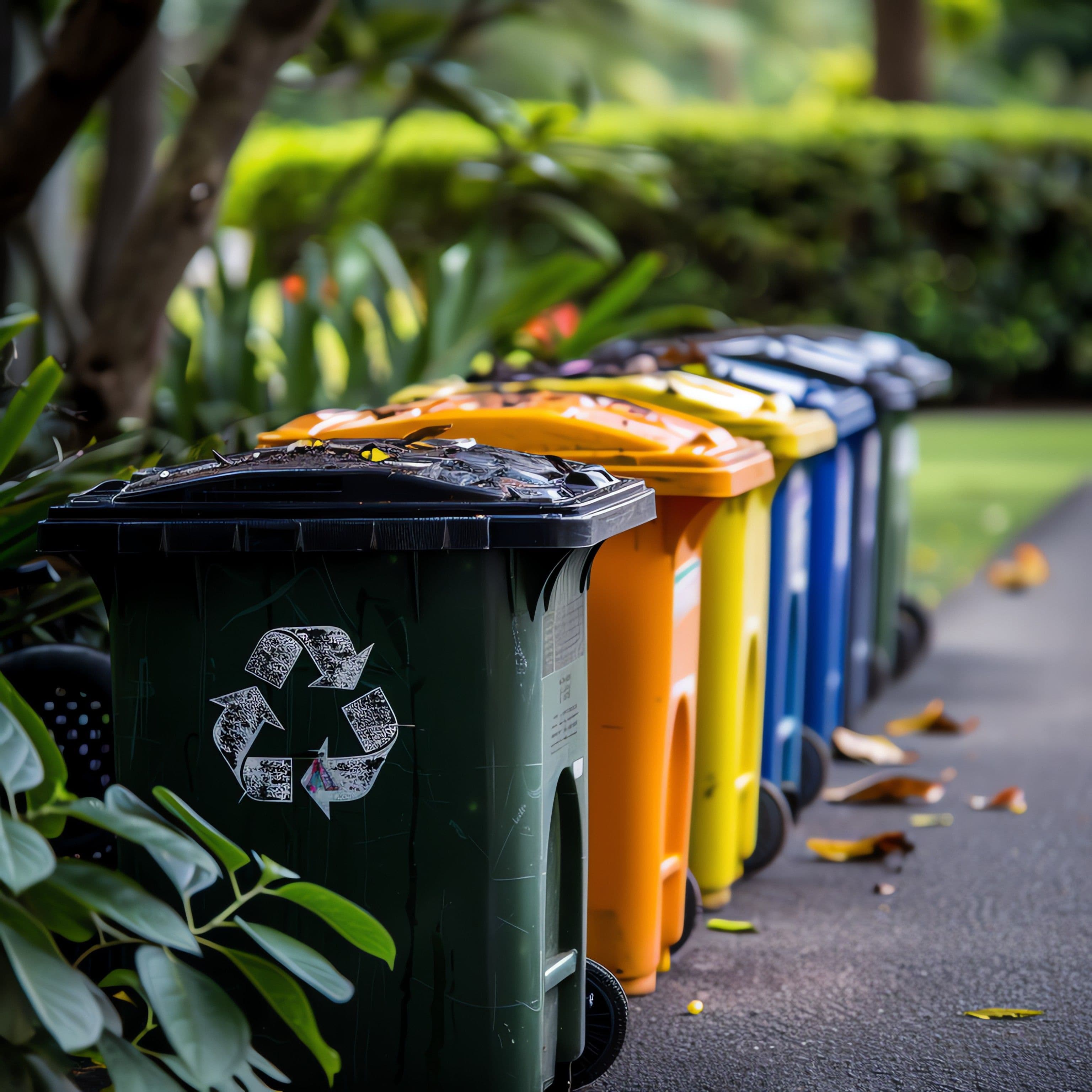
Selective Waste Collection and E-Waste in Condominiums: A Reverse Logistics Guide
Selective Waste Collection and E-Waste in Condominiums: A Reverse Logistics Guide
Dicas para Síndicos e PMES
 11/08/2026
 5 min
5 minEnvironmental management in residential and commercial developments is no longer a secondary concern; it is now a key indicator of operational efficiency, property value and social responsibility. As the volume of solid waste generated in urban areas continues to rise, building managers and property management companies have an increasingly important role to play in turning each development into a practical hub for sustainability.
However, getting selective waste collection off the ground and keeping it running continuously requires far more than simply placing coloured bins around the basement. Implementing a complete programme involves engaging residents in sorting materials correctly, properly separating electronic waste (e-waste), complying with Brazil’s National Solid Waste Policy (PNRS – Law No. 12,305/2010), and establishing partnerships with certified co-operatives and companies.
In this comprehensive guide, you will discover the strategic advantages of selective waste collection, how to raise community awareness about proper disposal, a step-by-step approach to setting up a secure electronics collection point, and how to expand waste management across your condominium.
The Strategic Advantages of Selective Waste Collection (Beyond the Environmental Message)
Although environmental preservation is the worthy aim of recycling, rigorous implementation of selective waste collection delivers direct operational and financial benefits for the condominium:
Drastic reduction in disease vectors and urban pests: When residents are instructed to rinse and dry recyclable packaging before disposal, the build-up of organic matter and food residue in the bin store is eliminated. This sharply reduces the attraction of cockroaches, rats and flies, cutting the cost of additional pest-control treatments.
Savings and preservation of the bin store: Compacted packaging and flattened cardboard take up substantially less space in containers. This reduces the need for high-capacity refuse sacks, prevents rubbish from overflowing into corridors and simplifies the cleaning team’s physical work.
Property appreciation and ESG compliance: Condominiums with structured waste-management and reverse-logistics programmes attract environmentally aware buyers and tenants, increasing the market value of individual units and aligning the development with environmental, social and governance principles.
Income generation and social impact: Correctly directing recyclables to local waste-picker co-operatives supports the circular economy, promoting social inclusion and the livelihoods of dozens of recycling workers’ families.
How to Implement Selective Waste Collection and Engage Residents in Practice
The success of selective waste collection depends directly on residents’ individual behaviour inside their private units. The greatest obstacle faced by managers is not a lack of goodwill in the community, but rather the contamination of recyclable material caused by insufficient guidance.
The Importance of Sorting and Prior Cleaning
A single yoghurt pot containing residue or a pizza box soaked in grease can contaminate an entire container of paper and plastic, making it impossible for co-operatives to recover the batch.
To prevent material from being lost, the management should advise residents on the ‘quick-rinse rule’:
Rinse packaging: Use a small amount of reused water or tap water to remove excess sauces, dairy products or oils before placing the packaging in the dry-waste bin.
Dry briefly: Leave the container to drain for a few moments. Excess moisture degrades paper and cardboard stored in the same receptacle.
Dismantle and compact: Flatten cardboard boxes and crush PET bottles to optimise the physical space in communal bins.
Communication Strategies and Continuous Feedback
To keep community motivation high, the condominium manager should adopt ongoing awareness-raising measures:
Visual, intuitive signage: Replace lengthy text notices with illustrated, colourful posters in lifts, service lobbies and floor bin areas, clearly showing what can and cannot be placed in each container.
Publishing impact metrics: Each month, share the total volume of recycled waste on the condominium app or noticeboard (e.g. ‘This month our condominium sent 600 kg of paper and plastic for recycling, saving X trees!’). Showing practical results creates a sense of belonging and collective pride.
How to Find and Assess Trustworthy Co-operatives and Collection Companies
Sending recyclable waste to unauthorised destinations can lead to serious legal complications for both the condominium and its manager. Under the PNRS, the waste generator shares responsibility for ensuring its proper final destination.
To select a co-operative or sorting company with an impeccable reputation, the management should require the following documentation before signing a partnership agreement:
Environmental licensing and registration: Check the environmental operating licence issued by the state or municipal environmental authority (such as Cetesb in São Paulo or Inea in Rio de Janeiro) and registration with Brazil’s National Register of Solid Waste Operators (CNORS).
Issuing MTR and CDF documents: The partner company must have the technical capacity to issue the Waste Transport Manifest (MTR) and the Final Disposal Certificate (CDF), documents that legally demonstrate during audits that the building’s waste was not discarded at unauthorised landfills or open dumps.
Formalisation by contract or donation agreement: Enter into a formal contract detailing collection days and times, responsibility for supplying bags or containers, and the commitment to leave the collection area clean after materials are removed.
Electronic Waste (E-Waste) Collection Point: Assessment, Installation and Guidance
Electronic waste — including circuit boards, cables, mobile phones, cells, batteries and broken small electrical appliances — represents one of the greatest environmental hazards when discarded with general waste. Such equipment contains heavy metals (including lead, mercury, cadmium and nickel) that contaminate soil and groundwater.
1. Assessing Demand in the Condominium
Before installing a permanent facility, the condominium manager can conduct a quick survey in the management app to assess the volume of e-waste held in units. Residents commonly accumulate drawers full of old cables, chargers, mobile phones and batteries because they do not know where to dispose of them safely.
2. Where to Install the Electronics Voluntary Drop-off Point (VDP)
The location chosen for the e-waste Voluntary Drop-off Point (VDP) must meet strict safety and preservation criteria:
Covered, dry environment: E-waste containers must be protected from rain and direct moisture to prevent component oxidation and battery-fluid leaks.
Visible, monitored location: Install the container in a high-traffic area, such as the reception lobby, post room or near the lift access in the basement, preferably within view of internal closed-circuit television (CCTV).
Protection against fire and theft: The container should be made of robust or metal material, with a lock or restrictive opening to prevent unauthorised removal of parts by third parties and reduce the risk of accidents involving damaged batteries.
3. Instructing Residents and Promoting Reverse Logistics
The management should clearly publicise what is accepted at the condominium’s VDP:
What MAY be discarded: Mobile phones, tablets, laptops, cables, chargers, keyboards, mice, cells, portable batteries, hairdryers, blenders and small electrical appliances.
What must NOT be placed in the small-electronics container: Large white goods (refrigerators, washing machines and cookers) and fluorescent lamps, which require separate logistics.
Personal data protection: Advise residents to reset devices and erase all personal information and files stored on old mobile phones and computers before disposal.
Partnerships with Reverse Logistics Management Organisations: The condominium can register free of charge with official management organisations recognised by Brazil’s Ministry of the Environment, such as Green Eletron or ABREE (Brazilian Association for the Recycling of Electrical and Electronic Equipment and Household Appliances). These organisations provide standardised containers and collect and reverse-manufacture the equipment at no cost to the condominium.
Expanding Waste Management: Dedicated Collection Points
In addition to dry recyclable waste and electronics, the condominium can move forward by implementing containers for other high-impact waste streams:
Used Cooking Oil Collection Point: Pouring cooking oil down the sink is a leading cause of blockages in building pipework and higher grease-trap maintenance costs. Installing a sealed plastic drum in the basement allows residents to dispose of oil stored in PET bottles. Specialist companies collect it free of charge for the manufacture of soap and biodiesel, often supplying cleaning products to the condominium in return.
Textiles, Clothing and Footwear Point: Installing a collection box for clothing in good condition encourages donations to partner charities. Worn items can be sent to companies that shred and recycle textiles.
Logistics for Expired Medicines and Lamps: Medicines must not be discarded with general waste or flushed down the toilet. Management should advise residents to use the nearest pharmacy collection points, keeping only dedicated lamp containers in the building (for lamps containing mercury vapour) where a specialist collection contract is in place.
From Zero Waste to Zero Waste Charges: How NewSun’s Energy Subscription Consolidates the Condominium’s Sustainable Energy Mix
Creating a truly sustainable condominium requires an ecosystem-wide view that goes beyond the proper treatment of solid waste. While selective waste collection and e-waste collection eliminate environmental contamination, the daily operation of the building’s communal areas consumes a substantial amount of electricity to keep lobbies lit, lifts operating without interruption, car parks ventilated and water pumps automated.
For condominium managers and management companies seeking to eliminate waste across every area, managing this electricity consumption is hindered by the unpredictability of energy bills. Frequent activation of tariff flags during dry periods increases charges for communal areas, putting pressure on residents’ regular service charges and disrupting the building’s financial planning.
To integrate waste management into a clean, predictable and economical energy-efficiency strategy, NewSun’s energy subscription is the ideal solution for your condominium.
Through our digital distributed-generation platform, the condominium begins receiving electricity credits generated by partner plants using clean, renewable sources. The model’s major strategic advantage is that it provides progressive savings on communal-area electricity bills without requiring financial investment, rooftop solar-panel installation or any form of building work.
NewSun’s work is underpinned by the technical excellence of our 5D Framework — debureaucratise, decentralise, digitalise, decarbonise and decommoditise — delivering the following benefits:
Definitive protection against tariff flags: Neutralises peaks and increases charged by local distribution companies during droughts, ensuring budget predictability and financial stability for the condominium.
Progressive savings with no capital outlay: Reduces fixed electricity operating costs without requiring capital calls from residents, freeing funds for environmental improvements or strengthening the reserve fund.
100% digital, bureaucracy-free transition: Joining is handled entirely through administrative procedures. There is no refurbishment, demolition work or alteration to the building’s electrical installation, and no risk of interrupting the energy supply.
Full alignment with the ESG agenda: Connecting the condominium to clean energy by subscription enhances the development’s standing, placing its management at the forefront of urban sustainability and adding market value to individual units.
Find out all about our Clean Energy Subscription.
Conclusion
Transforming condominium waste management through selective collection, proper disposal of electronic waste and the implementation of dedicated points for oil and textiles is a decisive step towards building a more aware, safe and harmonious community. By establishing clear rules for cleaning materials, forging partnerships with approved co-operatives and keeping communication channels open with residents, the condominium manager eliminates operational problems and raises the building’s standard.
Completing this environmental journey with intelligent infrastructure solutions — such as NewSun’s energy subscription to protect the budget against tariff spikes and ensure clean electricity for communal areas — demonstrates modern condominium leadership focused on zero resource waste, genuine sustainability and lasting financial efficiency for all residents.
You may also like
- Dicas para Síndicos e PMES
 25/09/2026
 5m
5m - Energia por Assinatura24/09/20265m
- Dicas para Síndicos e PMES23/09/20265m


Stop paying more for your energy bill
Find out in less than 1 minute how much you could save with clean energy every month — no works and no bureaucracy.
Join the energy revolution
Subscribe to our newsletter and receive exclusive content