

Electric vehicles in condominiums: what to assess before investing in charging stations
Electric vehicles in condominiums: what to assess before investing in charging stations
Dicas para Síndicos e PMES
 11/11/2026
 5 min
For many years, electric vehicles were seen as a distant trend in Brazil. The picture, however, has changed significantly in recent years. Technological progress, a wider choice of models, the search for more sustainable alternatives and the development of charging infrastructure have put electric mobility firmly on the agenda of companies, consumers and property managers.
Data from the Brazilian Electric Vehicle Association (ABVE) show that the Brazilian market has been recording successive sales records for electrified vehicles, pointing to a structural change in the way people relate to mobility. This growth is not confined to large urban centres and is already beginning to directly affect the day-to-day running of residential and commercial condominiums. As more residents buy electric or plug-in hybrid vehicles, demand for charging solutions within developments also rises.
This transformation creates a new set of challenges for building managers, property management companies and condominium boards. After all, installing an electric vehicle charger is not simply a matter of connecting a piece of equipment to the existing electrical grid. It is necessary to assess the capacity of the infrastructure, the financial impact, usage rules, operational safety and projections for future growth in demand.
Condominiums that start this planning now are likely to face fewer difficulties in the coming years. More than meeting a current need, preparing the infrastructure for electric mobility can help to increase the value of the property and its competitiveness in the real estate market.
Why are condominiums increasingly discussing the installation of chargers?
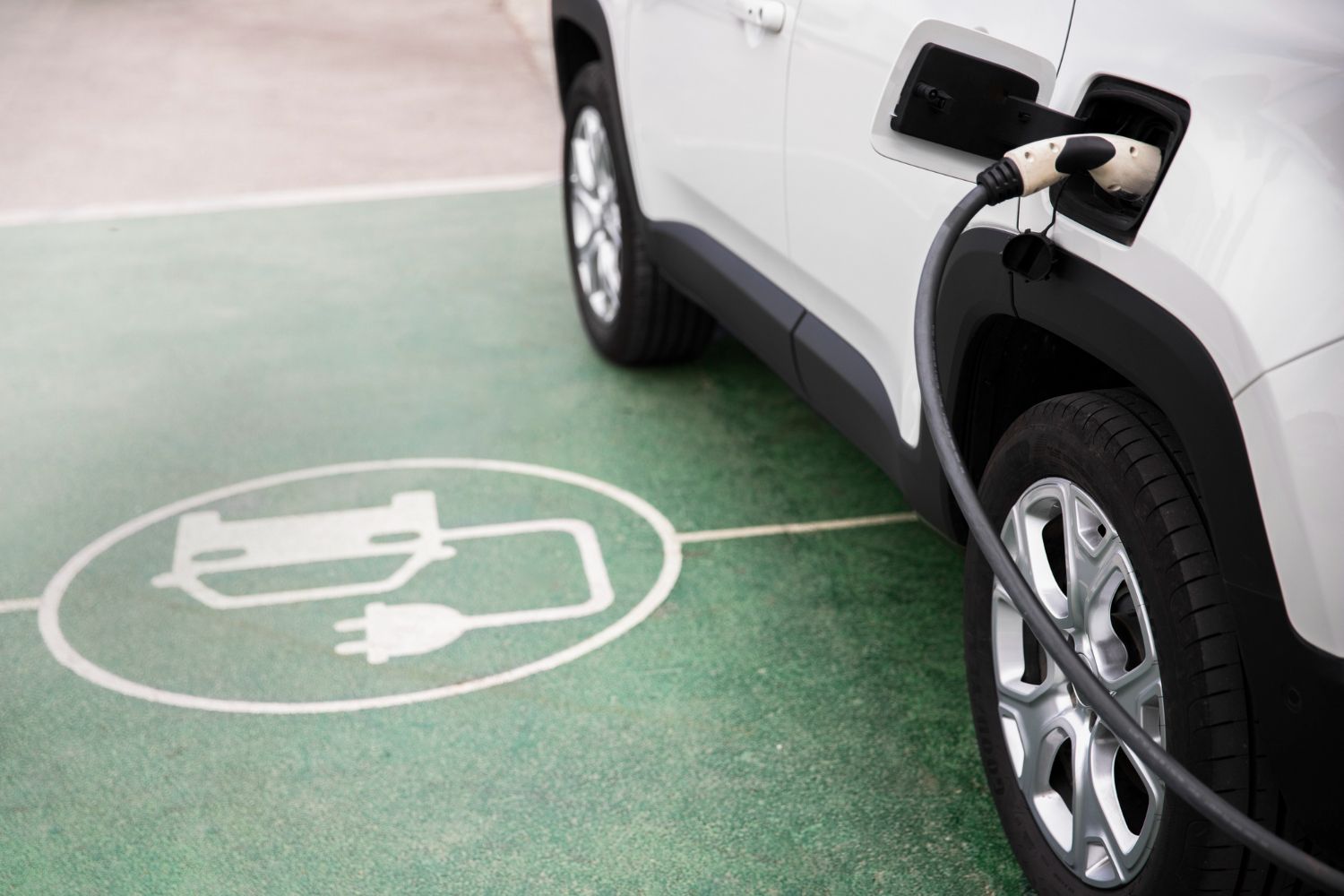
A few years ago, installing charging points was a relatively rare request. Today, the situation is different. The growth of the electrified fleet means that many condominiums receive frequent requests from residents who want to charge their vehicles in their own parking spaces.
This movement is natural. Unlike vehicles powered exclusively by fossil fuels, electric vehicles depend directly on access to electricity to be refuelled. Although public and private charging stations are spread across the country, home charging remains one of the most practical and convenient options for most users.
For this reason, many buyers already regard the availability of charging infrastructure as an important differentiator when choosing a property. In newer developments, preparation for electric mobility is beginning to appear as a design item. In existing condominiums, adapting the infrastructure is becoming an increasingly common topic at residents’ meetings. More than an environmental trend, this is a technological transformation that directly affects the management of developments.
How does charging an electric vehicle work?
In simple terms, charging takes place when electricity from the grid is transferred to the vehicle’s battery by specific equipment known as chargers or charging stations.
Although the concept seems simple, there are several charging technologies and speeds available on the market. The time needed to charge a vehicle depends on factors such as battery capacity, the power available at the installation, the type of charger used and the characteristics of the car itself.
In residential settings, most charging takes place over long periods, especially overnight, when the vehicle stays parked for several hours. This means that maximum speed is not always the main selection criterion. In many cases, safety, reliability and compatibility with the existing electrical infrastructure are more important factors.
In addition, modern chargers offer different levels of monitoring, access control and individual consumption metering, which are essential features for shared environments such as condominiums.
What are the main types of chargers?

One of the first questions that arise when implementing charging infrastructure concerns the differences between the available equipment.
Slow charging or Level 1
Slow charging uses conventional sockets or low-power systems. Although it is technically possible in some situations, it is generally not considered the most suitable solution for condominiums because of the long time needed to fully recharge the battery.
Depending on the vehicle and the battery capacity, this process can take many hours. Furthermore, not all electrical installations were sized to withstand long periods of continuous use on ordinary sockets.
For this reason, specialists normally recommend more robust solutions designed specifically for electric mobility.
Semi-fast chargers or wallboxes
Chargers known as wallboxes are among the most popular solutions for residential condominiums. Installed on walls or structures close to garage spaces, they offer higher power levels than conventional sockets and have protection systems specially developed for this type of application.
This category tends to offer a good balance between cost, efficiency and ease of implementation. For this reason, most residential projects adopt this type of equipment.
Fast chargers
Fast chargers are more common at charging stations, on motorways, in shopping centres and in places with a high turnover of vehicles. Their main characteristic is the ability to deliver large amounts of energy in a short time. However, this speed requires significantly more robust electrical infrastructure and higher investment. For this reason, their use in residential condominiums usually requires detailed technical studies of the available grid capacity.
What should be assessed before installing chargers in a condominium?
Installing charging stations involves much more than choosing the equipment. Before any decision is made, it is essential to carry out a comprehensive analysis of the existing infrastructure.
Electrical capacity of the condominium
The first aspect to assess is the availability of electrical load. Many condominiums were designed at a time when demand for electric vehicles simply did not exist. This means that the power supply, electrical panels and distribution systems may not have been sized to support dozens or even hundreds of new simultaneous points of consumption.
A specialist technical analysis makes it possible to identify limitations and anticipate future needs. This study is normally carried out by qualified electrical engineers.
Future growth in demand
Another common mistake is to plan only for current demand. If only two residents own electric vehicles today, this does not mean that this will remain the case in the coming years. Quite the opposite: the trend is towards progressive growth in the adoption of this technology. For this reason, well-structured projects usually allow for future expansion, reducing costs and avoiding further works every time new users appear.
Consumption metering system
An extremely important issue concerns billing for the energy used. The condominium needs to define how consumption will be measured and how costs will be allocated to each user.
Smart monitoring systems make it possible to identify exactly how much each resident has consumed, avoiding disputes over the sharing of expenses. This transparency is essential for residents to accept the solution.
What is the impact of chargers on the condominium’s energy bill?
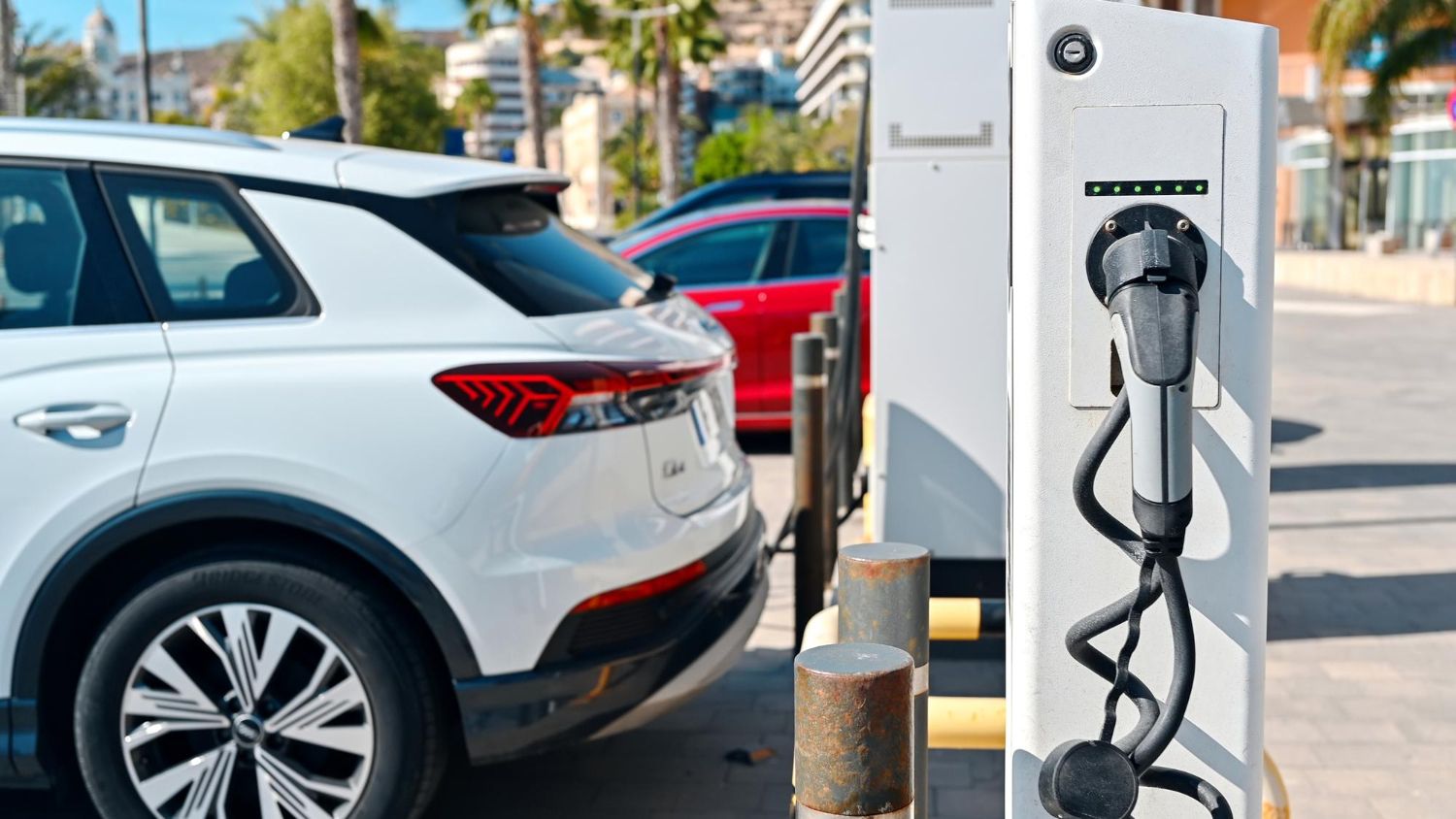
This is one of the most frequent questions among building managers and property management companies. The answer depends on how the system is structured. If consumption is individualised and properly monitored, the financial impact on the other residents can be minimised. However, an increase in the development’s energy demand is inevitable as more vehicles start to use the charging infrastructure.
This means that energy management takes on an even more strategic role in condominium administration. In addition to the volume consumed, it is also necessary to consider usage times, the simultaneous demand of the chargers and possible effects on the tariff structure of the consumer unit.
In condominiums with a rapidly growing electrified fleet, energy planning ceases to be merely an operational matter and becomes part of long-term financial decisions.
How can chargers affect the structure of the garage?
Installing charging stations also affects the dynamics of parking areas. Depending on the configuration adopted, it may be necessary to install conduits, cabling, protection devices and new connection points in common areas. In some developments, this requires significant physical adaptations.
In addition, clear rules of use need to be defined. Who will have access to the chargers? How will booking work? Will the system be shared or individual? How will future expansions be handled?
These operational aspects need to be discussed in advance to avoid conflicts between residents and to ensure that the solution remains efficient over the years.
How NewSun’s clean energy subscription can help condominiums adopting electric mobility

As electric mobility advances, building managers’ concern about rising energy costs is also growing. The expansion of charging infrastructure is an irreversible trend, but this does not mean that condominiums have to passively accept higher costs for the electricity consumed in common areas.
In this context, NewSun’s clean energy subscription emerges as an alternative capable of complementing the energy strategy of developments.
The model allows the condominium to take part in a solution based on distributed generation without having to install solar panels, carry out works, purchase equipment or take on responsibility for maintaining its own systems.
Supply continues to be provided as normal by the local distribution company. What changes is the way the condominium takes part in the energy credit compensation system established by the distributed generation regulations.
For condominiums that are seeing a progressive rise in consumption due to the adoption of electric vehicles, this brings important benefits such as greater financial predictability, savings on the energy bill and reduced exposure to the impact of tariff flags on the compensated portion of consumption.
In addition, this is a solution that can be adopted without disrupting residents’ routines and without the need for structural works within the development.
Electric mobility and energy management will go hand in hand
The expansion of electric vehicles represents much more than a change in the way cars are refuelled. It is creating a new reality for Brazilian condominiums.
Charging infrastructure, energy planning, cost management, organisation of common areas and property value all become part of the same discussion. Developments that prepare now will be better positioned to meet residents’ demands and keep pace with the evolution of the real estate market.
This does not mean that every condominium needs to install dozens of chargers immediately. It means that they need to start understanding the subject, assess their infrastructure and develop strategies suited to their own circumstances.
By combining technical planning, financial management and appropriate energy solutions, it is possible to turn electric mobility into a competitive advantage for the condominium and an opportunity to build developments that are more modern, efficient and prepared for the future.
FAQ
Is it mandatory to install electric vehicle chargers in the condominium?
No. Currently, the decision depends on the characteristics of the development, the needs of the residents and the internal rules approved by the condominium’s governing bodies.
Can every condominium support the installation of chargers?
Not necessarily. It is important to carry out a technical assessment to check the available electrical capacity and any need for upgrades.
Can the chargers’ consumption be individualised?
Yes. There are systems capable of measuring each user’s consumption individually, making billing easier and ensuring greater transparency.
Are fast chargers always the best option?
No. In many condominiums, semi-fast chargers offer a better balance between cost, efficiency and technical feasibility.
Does NewSun’s energy subscription require equipment to be installed?
No. The model does not require the purchase of equipment, the installation of solar panels or any works in the condominium.
You may also like
- Dicas para Síndicos e PMES
 11/11/2026
 5m
- Energia por Assinatura10/11/20265m
- Dicas para Síndicos e PMES09/11/20265m




Stop paying more for your energy bill
Find out in less than 1 minute how much you could save with clean energy every month — no works and no bureaucracy.
Join the energy revolution
Subscribe to our newsletter and receive exclusive content