
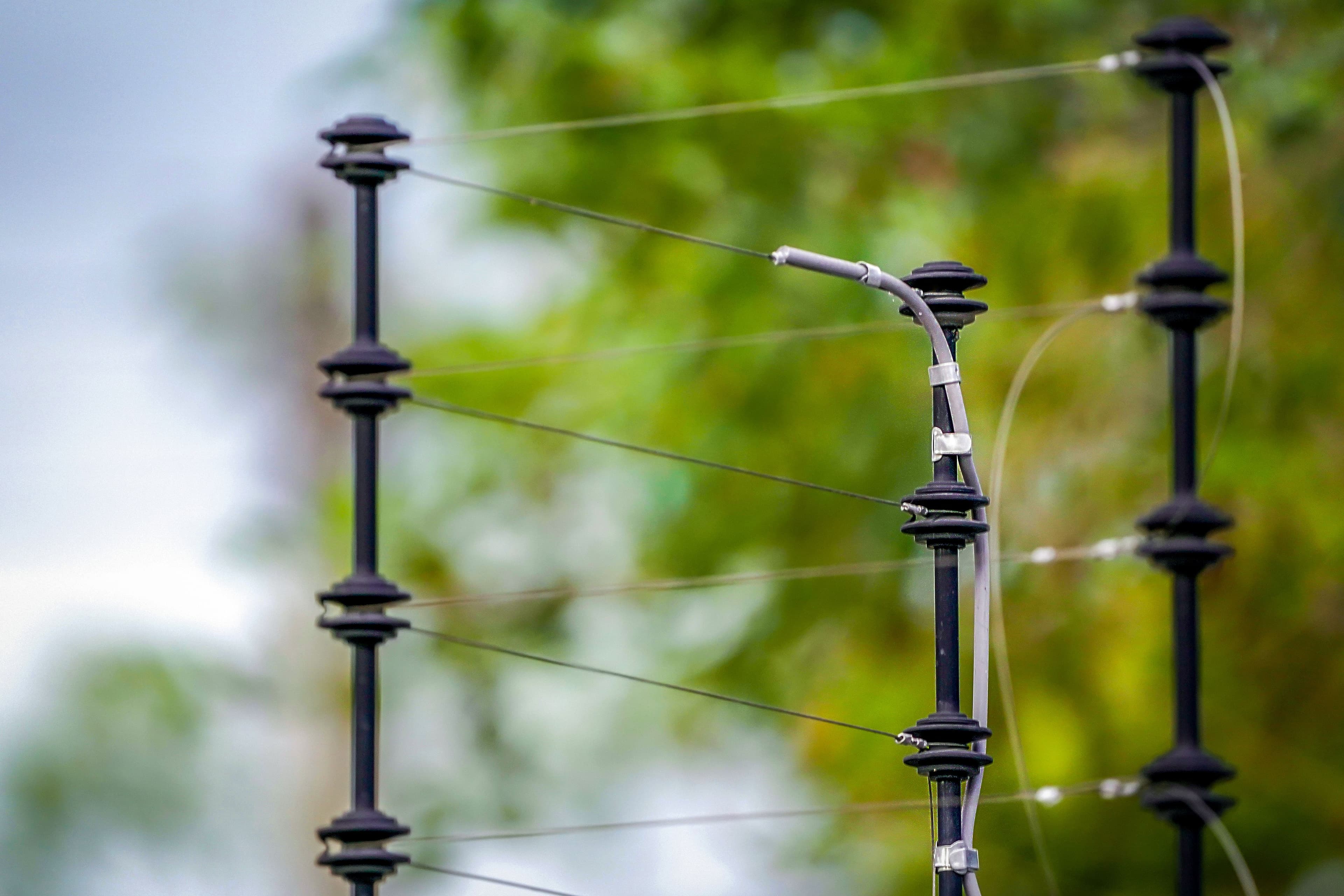
Electric Fencing in Condominiums: Installation Guide and Regulations
Electric Fencing in Condominiums: Installation Guide and Regulations
Dicas para Síndicos e PMES
 15/06/2026
 5 min
5 minSecurity management in shared-living environments has become one of the top priorities for property managers and residents' councils. Faced with the growing challenges of urban crime, protecting the physical boundaries of a residential complex requires implementing perimeter barriers that are efficient, cost-effective and deterrent. Among the most popular and well-established technological solutions in the national property market, installing electric fencing stands out as one of the most viable alternatives for discouraging break-ins and intrusion attempts. However, deploying this protective barrier cannot be handled empirically or amateurishly; it requires strict compliance with a series of legal requirements to guarantee everyone's safety.
Adopting a perimeter electrification system means understanding that protecting shared property runs into strict limits set by the country's current legislation. Electric fencing installed inadequately, without the technical backing of qualified engineers or without observing local legislation, stops being a protective shield and becomes a serious legal liability. For the building manager, the responsibility of overseeing the condominium's security demands thorough knowledge of the system's operating guidelines, ensuring that the collective desire for protection does not result in domestic accidents or costly civil infractions. The balance between defensive effectiveness and regulatory compliance determines the success of mature building management.
Fear and urgency often lead governing councils to hire electronic security services based solely on the lowest market price, ignoring the technical compliance standards required by urban inspection bodies. Electric fencing operating outside national safety parameters poses a direct threat to the lives of staff, residents, pedestrians and pets that pass near the perimeter. The purpose of this informative guide is precisely to detail how this device works, translating complex engineering and legal concepts into simple guidance, so that the condominium's management can make strategic decisions backed by legality, civil liability and the safety of the whole community.
What the building manager needs to know before starting the installation project
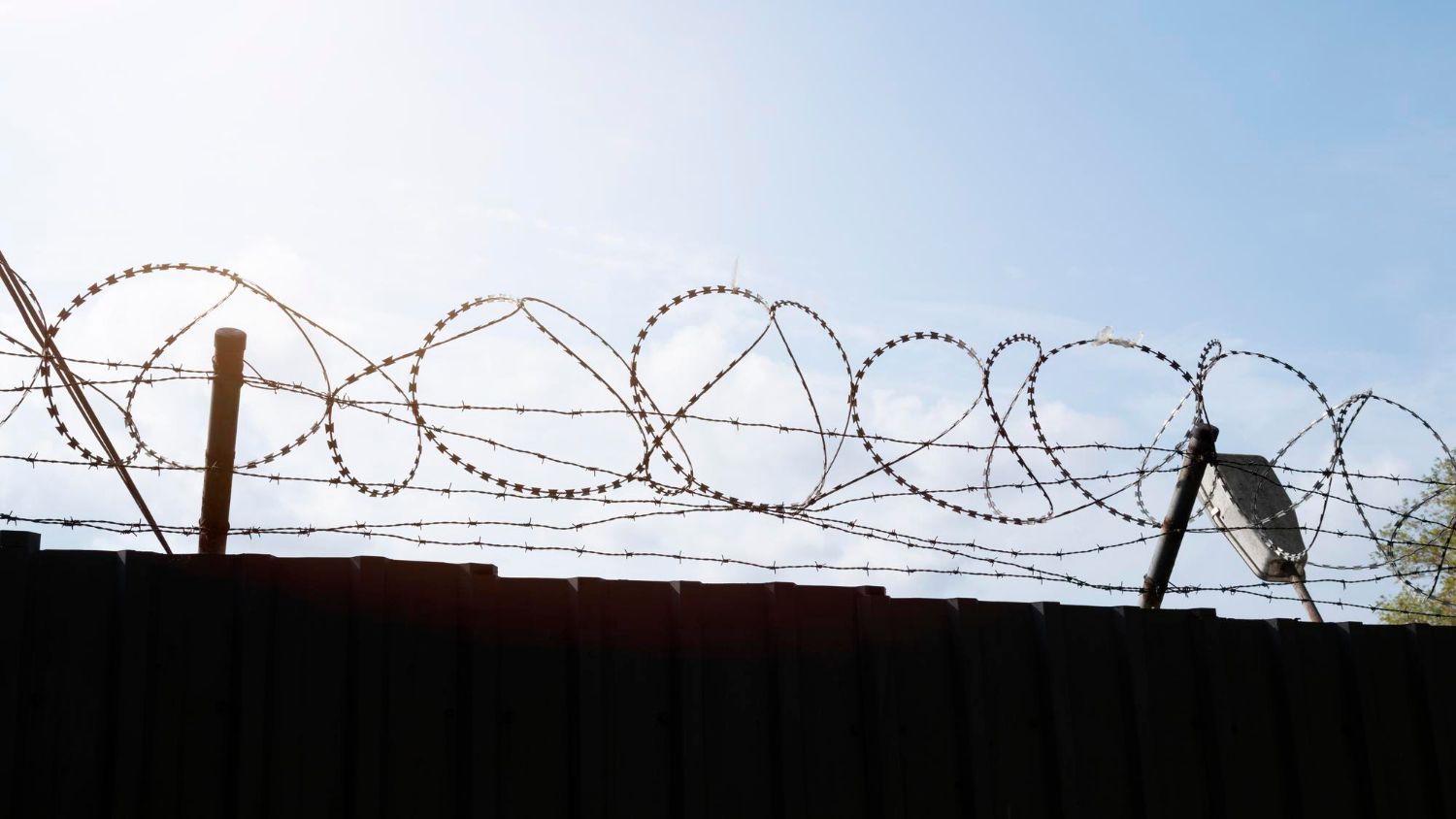
Before purchasing cables, insulating rods or powerful energisers, the condominium manager must follow a path of rigorous administrative and technical planning. The starting point for any structural change to external protective barriers is checking the pre-existing infrastructure and consulting the local town hall's records. Each city has the autonomy to legislate on the use of electrified security in private properties, and failing to comply with municipal rules can result in heavy administrative fines and the obligation to immediately dismantle the entire electric fence installed with the condominium's collective funds.
The second fundamental step in pre-installation governance is hiring an engineering or electronic security firm with an active registration with the Regional Council of Engineering and Agronomy (CREA). The building manager must never allow the work to be carried out by self-employed electricians or informal installers without proper corporate technical qualification. Requiring the contracted company to issue a Technical Responsibility Statement (ART) is the only legal safeguard the condominium has to prove to the courts that the project complies with Brazilian safety standards, transferring responsibility for the system's engineering to the duly qualified technical professional.
Beyond bureaucratic compliance and the ART, the condominium's budget planning must account for the long-term financial impact that the electric fence will have on the management's ordinary cash flow. Although the power consumption of a modern energiser is relatively low when the system is idle, preventive maintenance of the cables, scheduled replacement of backup batteries and constant pruning of neighbouring vegetation demand recurring resources. The building manager should structure the commercial proposal with complete clarity, demonstrating that installing the electric fence is an ongoing management project that requires active oversight to maintain its operational efficiency over the years.
Brazilian legislation and the legal backing for electronic barriers
For decades, the installation of electrified protective barriers in Brazil took place in a scenario of relative legal fragmentation, depending almost exclusively on scattered municipal decrees and local codes of conduct. This picture changed definitively with the enactment of Federal Law No. 13,477, of 3 August 2017, which took sovereign precedence over the installation of electric fencing across the whole national territory. This legislation unified the basic technical and legal compliance criteria, giving the building manager a clear legal compass to guide investments in the condominium's perimeter security.
Federal legislation explicitly states that all electric fence installations carried out in the country must comply, in a subsidiary manner, with the international technical standards issued by the Brazilian Association of Technical Standards (ABNT), with particular emphasis on standard NBR IEC 60335-2-76. This ABNT regulation defines in detail the engineering specifications of energisers, the type of current pulse permitted and the minimum safety distances that prevent the electric shock emitted by the system from having lethal potential or causing permanent medical harm to anyone who touches the protective filaments.
Understanding the legal backing for these barriers means recognising that the law protects the condominium's right to defend its property, provided that defence does not become a dangerous trap or an act of disproportionate violence. The regulation strictly prohibits the use of direct electricity from the public grid (such as plugging the fence into a standard hundred-and-ten or two-hundred-and-twenty-volt outlet), requiring the mandatory use of an Inmetro-certified shock control unit. Strict compliance with these legal guidelines wards off the spectre of complex lawsuits and ensures the condominium acts in full compliance with national legislation.
Voltage and permitted technical specifications for safe operation
One of the biggest myths surrounding electric fencing in the mind of laypeople is the belief that the greater the shock's capacity to cause physical harm or lethality, the safer the condominium will be. From a technical and legal standpoint, the system's operating principle is based solely on an inhibiting, repulsive shock, designed to cause immediate, startling muscular discomfort, but entirely incapable of burning tissue, stopping the heart or taking the life of the individual. This non-lethal protective characteristic is guaranteed by combining high voltage with extremely low amperage.
Modern energisers approved by the regulatory bodies operate by generating an extremely high voltage, typically ranging between 8,000 V and 12,000 V (eight thousand to twelve thousand volts), and able to reach peaks of up to 18,000 V in complex industrial perimeters. However, this massive voltage is delivered through intermittent, extremely fast direct current pulses lasting thousandths of a second, with standardised time intervals between each electrical discharge. The current intensity (amperage) associated with these pulses is practically nil, sitting in the milliamp range, which prevents the continuous flow of energy that causes electrocution and permanently locks the muscles of anyone who touches the condominium's cables.
For the shock control unit to operate within the strict safety margins set by ABNT's global technical standards, all the electronic machinery powering the electrified perimeter must meet the following mandatory technical engineering parameters:
Delivery of power through intermittent electrical pulses with a maximum standard duration of one millisecond per discharge;
A mandatory, controlled interval of at least one second between successive pulses emitted by the energiser;
Current amperage strictly limited to milliamp levels, ruling out lethality of the shock;
Official, mandatory certification of the electronic equipment through the Inmetro compliance approval seal;
Native integration with sealed twelve-volt backup batteries to keep the system active during power outages.
Mandatory standards for the physical installation of filaments and rods
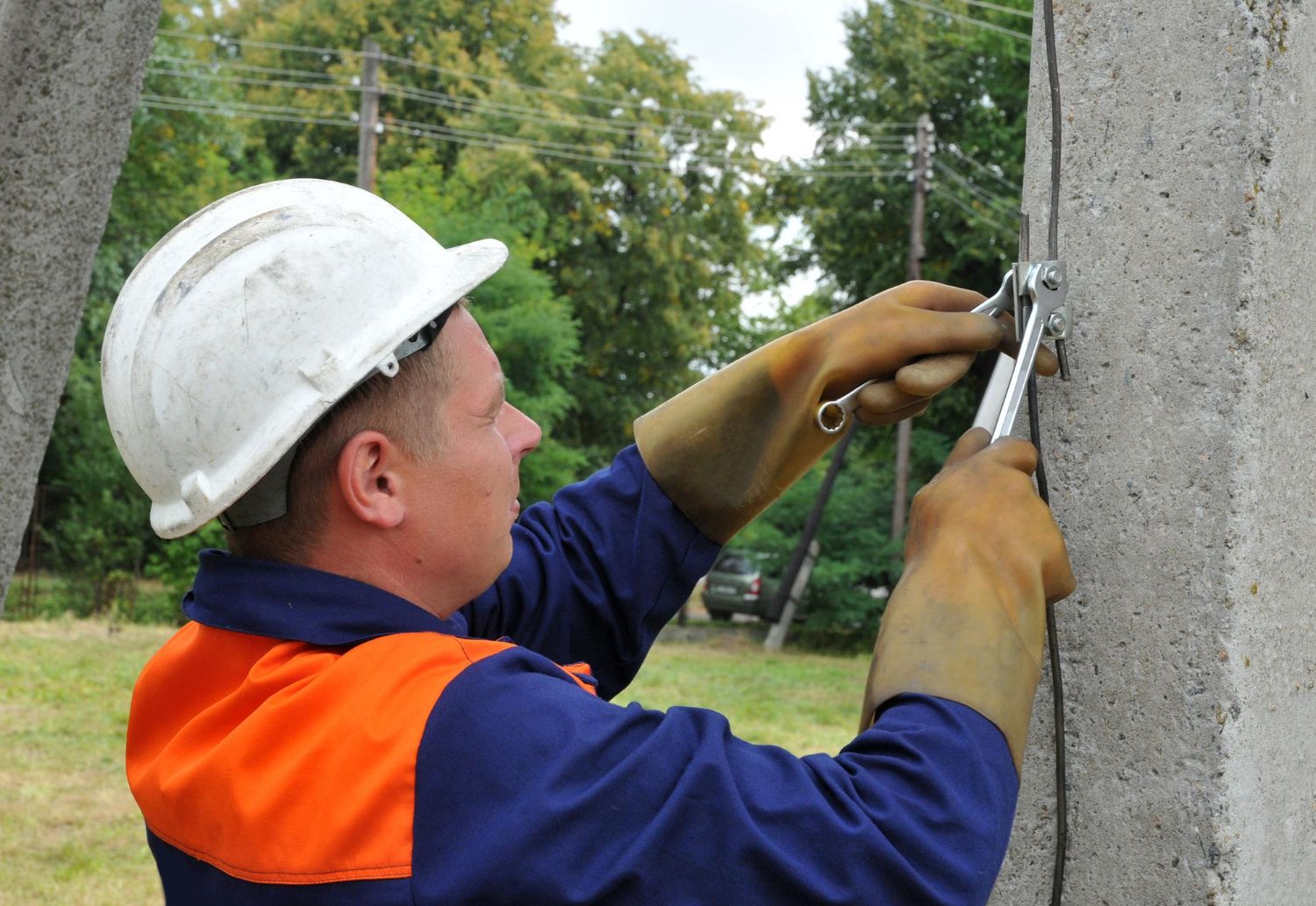
Physically fitting the electric fence along walls, railings and access gates requires meeting specific geometric and civil engineering parameters to prevent accidents involving innocent passers-by and to guarantee the system's maximum defensive efficiency. The first and most important safety guideline set by urban legislation concerns the minimum installation height of the first electrified wire. As a general national rule, the rod supporting the shock-conducting filaments must be fixed at a minimum height of 2.20 metres (two metres and twenty centimetres) measured from ground level outside the condominium.
This minimum vertical distance of 2.20 metres is designed to prevent a pedestrian walking absent-mindedly along the outside pavement, a child stretching out their arms, or a delivery worker unloading goods from accidentally touching the condominium's shock-conducting wiring. Beyond the strict vertical height criterion, the geometric tilt of the insulating rods must be carefully planned by the technical team. Where the boundary wall directly borders public pavements or neighbouring third-party properties, the electric fence rods must be installed tilted towards the inside of the condominium's grounds, preventing the wires from encroaching on neighbouring airspace.
The electrical insulation of the conducting cables is another critical point requiring constant oversight from the building manager. The stainless steel filaments must be tensioned and kept fully insulated from the metal structures of gates, lodges, flashing or iron railings using high dielectric-strength plastic insulators. Should any current leak from the wires into the building's common iron structure due to a broken insulator, the entire access gate or entrance railing of the condominium could become electrified, creating extremely serious risks of accidental electric shocks to unsuspecting residents and staff.
Strict rules on the fixing and visibility of warning signs
The effectiveness of an electrified protective barrier is primarily based on its psychological deterrent power, making an intruder think twice on realising that the condominium's perimeter is actively defended by high voltage. For this reason, Brazilian legislation sets out strict, mandatory rules for fixing visual warning signs along the entire length of the electric fence. Installing electrified wiring without proper, clear visual warnings constitutes a serious administrative offence, putting the system on a par with an unlawful, clandestine trap under urban safety regulations.
Danger warning signs must have standardised visual features that allow them to be read and understood immediately by any individual, including laypeople or children who cannot yet read. The visual notices must display a bright yellow background for high visibility, legible black text with the wording "Caution: Electric Fence" or "Shock Hazard", together with the universal lightning-bolt symbol representing high-intensity electrical danger. Neglecting the positioning or upkeep of these warning signs voids the legal compliance of the entire perimeter security project for the condominium.
The geometric spacing between warning signs is also strictly regulated by municipal codes and integrated security technical standards. To ensure no section of the perimeter is left without adequate visual warning, the condominium's management must instruct the installation team to position the warning signs according to the following strict perimeter visibility criteria:
Mandatory fixing of warning signs at a maximum linear interval of ten metres along the entire wall;
Mandatory installation of visual warnings at every change of direction or corner of the condominium's perimeter;
Positioning of danger signs in the immediate vicinity of pedestrian gates, garages and access points to the lodge;
Use of durable materials resistant to sun and rain, such as aluminium plates or rigid plastic with UV protection;
Keeping the signs at a visible height, completely free from visual obstruction caused by tree branches or foliage.
Civil and criminal liability of management in the event of accidents
Serving as building manager of a residential or commercial condominium carries a heavy burden of legal responsibilities and obligations towards society and state bodies. When the manager decides to improve perimeter security through an electric fence, they personally take on the ongoing duty of ensuring that this equipment operates strictly within the safety margins set by current legislation in the country. Negligence in maintenance or turning a blind eye to unlawful electrical installations exposes the administrator to serious risks of civil liability and criminal liability in the event of accidents on the condominium's premises.
From the standpoint of Brazilian civil law, the condominium bears strict liability for damages caused to third parties resulting from faults in its shared equipment or facilities. If an electric fence cable breaks and strikes a pedestrian on the outside pavement, or if an earthing fault electrifies a common gate causing injury to a resident, the condominium will be taken to court to pay heavy compensation for moral and aesthetic damages and loss of earnings. The building manager, in turn, may face a claim for reimbursement brought by fellow unit owners if it is proven that they acted with negligence, recklessness or incompetence in managing the condominium's security project.
Under criminal law, the situation becomes even more serious for the building administrator. If an electrical accident results in serious bodily harm or death to an individual near the building due to the use of tampered, high-amperage energisers, the building manager can be charged and prosecuted for manslaughter or negligent bodily harm, where there is no intent to kill, but there is clear fault arising from a lack of care and failure to comply with mandatory technical engineering standards. Presenting regular maintenance contracts, valid technical reports with ART, and Inmetro certifications is the only line of defence capable of shielding the manager from severe penalties before Brazilian criminal courts.
NewSun Energy: Clean energy subscription and efficiency in shared areas
While the building's management team works hard to keep the perimeter barriers fully aligned with urban legislation, manages contractual risks and oversees the technical compliance of the electric fence to protect families, the condominium's administration also needs to look behind the financial scenes and seek smart ways to optimise fixed monthly costs. The continuous operation of integrated electronic security systems — encompassing high-voltage energisers active twenty-four hours a day, closed-circuit television (CCTV), powerful perimeter floodlights and automatic gates — permanently and significantly raises the electricity consumption of the condominium's shared areas, weighing on the overall budget split among unit owners. To mitigate these costs with full budgetary efficiency and environmental sustainability, NewSun Energy Group presents an innovative clean energy subscription model designed for condominiums.
The clean energy subscription developed by NewSun works as a modern solution that stabilises the electricity bill for shared areas, comfortably absorbing the impact of the power consumption required by the building's security barriers and electric fence. By adopting this sustainable, renewable-source subscription system, the condominium secures direct discounts on its regular energy bill in a completely hassle-free way, with no need to invest in complex construction work or install expensive solar panels on the building's premises. The great advantage of this smart solution is that it fully shields the condominium's bill from the severe financial impact caused by fluctuations in tariff surcharge bands (yellow or red) during prolonged dry spells, delivering progressive savings throughout the whole contract.
Alongside the real, guaranteed financial savings achieved through the sustainable subscription, NewSun Energy Group sets itself apart in the national market by offering genuinely human, close, agile service focused on the needs of building managers and management companies. The condominium also gains exclusive access to the NewSun Energy Club digital platform, a modern energy management tool designed for detailed, transparent, real-time tracking of the building's entire electricity spending profile. Through NewSun Energy Club, the manager monitors electricity indicators right in the palm of their hand, combining digital innovation with sustainability to boost the financial health of the condominium's ordinary accounts and enable new investments in modernising building security with full efficiency.
Learn everything about the NewSun Clean Energy Subscription.
Preventive maintenance: Ensuring the system keeps running
The real security provided by an electric fence does not end on the day the technical team finishes the physical installation of the cables and issues the corresponding legal documentation. Like any electronic equipment continuously exposed to the elements — scorching sun, torrential rain, strong winds and urban pollution — the perimeter protection system undergoes a natural, ongoing process of mechanical wear that requires rigorous preventive maintenance to avoid malfunctions, false alarm triggers and wasted electricity in the condominium's shared areas.
One of the most common and irritating problems in the routine of a building protected by electrified wiring is the accidental triggering of the perimeter alarm in the middle of the night. Most of the time, these false alarms are caused by unchecked growth of neighbouring vegetation, such as tree branches or climbing plant foliage touching the shock-conducting filaments, creating small current leaks to earth. The building manager should instruct the maintenance team to carry out constant pruning along the entire perimeter, keeping vegetation at a safe distance of at least fifty centimetres from any conducting cable of the electric fence to prevent short circuits and intermittent triggers.
In addition to vegetation management, the continuous operation of the backup battery inside the shock control unit must be tested periodically by qualified professionals. These sealed batteries have an average lifespan of two years and are responsible for keeping the electric fence active and delivering shocks even during widespread blackouts or deliberate cuts to the public power grid that supplies the condominium. To structure an efficient preventive maintenance routine and ensure the integrated protection system runs smoothly, the condominium's maintenance team must complete the following checklist of periodic operational inspections:
Carry out weekly visual checks to verify the tension of the steel wires and identify any loose or broken filaments;
Perform technical cleaning of the plastic pulleys and insulators to remove conductive dust and accumulated cobwebs;
Check the physical condition and firm fixing of all metal rods installed on top of the walls;
Test the integrated audible alarm system by simulating the breaking or deliberate earthing of a conducting wire;
Measure the output voltage of the shock control unit and the charge-retention capacity of the condominium's internal backup battery.
How to get the project approved at a residents' assembly
Approving the installation of an electric fence involves a process of political groundwork and transparent communication led by the building manager before the condominium's general assembly of residents. As this is a mid-sized financial investment that alters the external appearance and affects the collective security routine, the condominium manager must prepare well in advance, arming themselves with solid technical arguments and clear commercial proposals to overcome the legitimate objections that typically arise among unit owners.
Strictly from the standpoint of Brazilian condominium law, installing an electrified perimeter security system falls into the legal category of useful improvement, since its main purpose is to facilitate, optimise and increase the efficiency of protecting and monitoring a pre-existing shared asset within the condominium. According to the Civil Code, approving useful improvements to shared areas requires a favourable vote from a simple majority of unit owners present at the extraordinary general assembly specially convened to deliberate on the matter, provided the meeting's quorum is met.
To defuse ideological resistance or unfounded fears among laypeople regarding the lethality of the shock or the excessive rise in the shared electricity bill, the building manager should adopt a visual communication strategy that is educational and empathetic. Showing that the project fully complies with ABNT standards and will bring immediate property value gains for the flats helps calm concerns. To secure engagement and unanimous approval from those present at the council's ordinary meeting, the manager should use the following persuasive arguments for community engagement:
Present the technical portfolio and CREA good-standing certificates of the engineering firm selected for the condominium's work;
Show the technical compliance report confirming that the pulsating shock delivered by the energiser has no lethal potential to life;
Transparently lay out the detailed budget covering acquisition, installation, ART and future maintenance plan costs for the system;
Explain the integrated security logistics, showing how the warning signs will act as a psychological deterrent to criminals in the area;
Respond patiently and democratically to all legal questions about civil liability raised by the unit owners present.
Balancing property protection with legal compliance
Successfully completing the deployment of a perimeter protection system through electric fencing marks a milestone of responsibility, care and efficiency in the administration of any high-performing residential or commercial condominium. The legitimate, urgent desire of families to live in an environment that is safe and protected from the threats of contemporary urban crime finds in electrified barriers a highly efficient solution with excellent value for money. However, real security is only achieved when the building manager understands that the equipment's defensive effectiveness depends directly on strict compliance with all the technical standards and legislation in force under Brazilian law.
Acting in full compliance with Federal Law No. 13,477/2017 and ABNT's international regulations, requiring the issuance of an ART by professionals registered with CREA, and keeping the pulsating voltage within the non-lethal margins permitted by Inmetro, is the only safe way to shield the condominium against criminal break-ins while also warding off the risk of costly lawsuits arising from negligent electrical accidents. Modern governance demands that the building administrator take a proactive stance of continuous oversight of the gatehouse and shared wall installations.
By combining physical perimeter protection with the pursuit of innovative solutions for efficiency and budgetary sustainability in shared areas, such as the sustainable energy subscription model offered by NewSun Energy Group through the exclusive NewSun Energy Club platform, the condominium manager creates an exemplary ecosystem of intelligent, high-performance administration. Balancing thermal comfort, communal leisure, tariff savings and legal security in electric barriers turns the building into a benchmark of modernity and ongoing property value growth, ensuring the condominium remains a genuinely safe, thriving, law-abiding and harmonious place to live throughout every season of the year.
You may also like
- Casos de Sucesso
 20/10/2026
 5m
5m - Dicas para Síndicos e PMES16/10/20265m
- Dicas para Síndicos e PMES13/10/20265m




Stop paying more for your energy bill
Find out in less than 1 minute how much you could save with clean energy every month — no works and no bureaucracy.
Join the energy revolution
Subscribe to our newsletter and receive exclusive content