
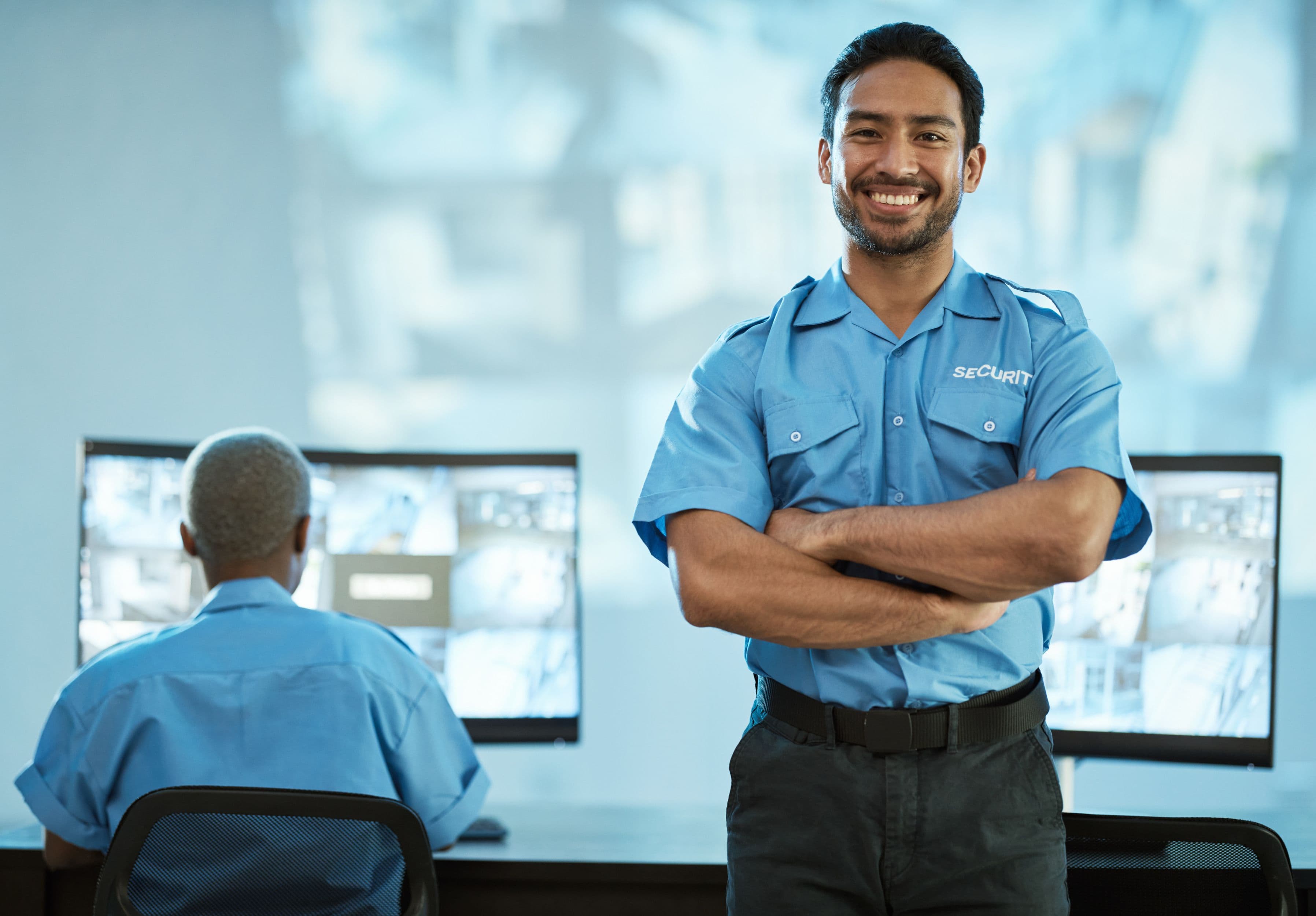
Doorman's Day: Recognition and the Future in Residential Buildings
Doorman's Day: Recognition and the Future in Residential Buildings
Dicas para Síndicos e PMES
 09/06/2026
 5 min
5 minCelebrating the 9th of June takes on a deep meaning in the daily routine of residential complexes and business estates across the country. This date officially marks Doorman's Day, an ideal opportunity for managers, residents and board members to reflect on the vital role played by this professional in the day-to-day life of any modern residential building. Far from being a mere performer of mechanical duties, the front-desk operator serves as the true calling card of the building, acting as the first line of human contact, welcome and protection for anyone entering the residential perimeter. Recognising the relevance of this worker is the starting point for building a more united, safer community that is more aware of its everyday social responsibilities.
Perimeter security and intelligent access control depend directly on the attentive eye and technical judgement with which the doorman carries out his daily duties. It is at the front desk that the rules of coexistence come to life in practice, turning the abstract guidelines of the internal regulations into efficient operational procedures that shield the building against external threats. However, the routine of this role tends to be exhausting and quiet, meaning many residents pass through the lobby without noticing the level of dedication required to keep the building running smoothly. The June anniversary thus serves as a journalistic and informative invitation to humanise labour relations within residential buildings.
Over twenty-four hours a day, the front desk remains active to receive parcels, monitor CCTV cameras, manage the flow of visitors and handle emergency calls from residents of the building. This round-the-clock dedication shows that valuing the doorman goes far beyond a simple cordial greeting in the morning; it requires real investment in ergonomic infrastructure, ongoing training and respect for the professional dignity of the role. When a building understands the intangible value of a well-staffed and respected lodge, the whole community machine runs more smoothly, with greater integrity and harmony, directly reflecting on the collective quality of life.
The historical evolution of the doorman profession in Brazil
The consolidation of the doorman profession in Brazil is closely tied to the rapid urbanisation and high-rise growth of major national cities, which occurred with strong intensity from the mid-twentieth century onwards. Initially inherited from old colonial customs, where the figure of the "watchman" or "night guard" bore primary responsibility for watching over the gates of aristocratic properties, the profession underwent a profound technical transformation with the emergence of the first large residential buildings in the 1940s and 1950s. With the growing need to organise the flow of correspondence and control access in newly built collective housing structures, the front-desk worker went from being a mere watchman to becoming a qualified access manager. Brazilian labour legislation later regulated the activity, turning the doorman into a mandatory and essential element for the approval and operational running of any residential building formalised in the country, cementing their social importance.
Residential versus commercial front desks: distinct dynamics and demands
Although the fundamental core of the role consists of managing the access of people and vehicles with total security, operating a residential front desk differs dramatically from the dynamics seen in a commercial or corporate building. In a residential setting, the doorman deals directly with the privacy and personal life of resident families, which calls for a high level of empathy, discretion and long-term visual memory. At a residential front desk, the professional needs to memorise the faces of the owners, registered vehicles, recurring service providers and even the daily habits of the building's residents, creating a relationship of mutual trust and affectionate protection that humanises the shared common space.
On the other hand, the operational flow in a commercial building is characterised by high user turnover, procedural agility and a strict focus on mass-screening corporate protocols. The doorman placed in an office building manages hundreds of electronic badges, carries out rigorous digital registration of unfamiliar visitors every minute and deals with complex integrated turnstile systems at the front desk. In this business setting, service time must be kept to a minimum to avoid queues at reception, requiring the professional to have advanced command of digital tools and control software, along with a formal customer-service approach, entirely detached from the community character found in residential buildings.
Understanding these fundamental differences in duties helps the building manager select the professional profile best suited to each lodge, ensuring that the doorman's skills are perfectly aligned with the expectations of the public served at the building. While residential front desks call for stability, human warmth and psychological perception to spot unusual behaviour in residents' routines, commercial front desks prioritise technical efficiency, registration speed and resilience in dealing with intense corporate traffic peaks, showing that versatility is a hallmark of this essential career.
The building manager's right hand: how the doorman streamlines daily management

For the building manager who bears the legal responsibility of running a complex residential building, having an engaged and qualified doorman is like having a strategic pair of eyes and ears spread across the building's common access areas. The front-desk professional is, most of the time, the first to spot structural anomalies requiring emergency maintenance, such as water leaks on the pavement, burnt-out lights at main entrances, electrical faults in automatic gates or strange noises coming from the building's plant rooms. This early identification streamlines management, allowing for quick action before small problems turn into major losses.
Beyond the preventive monitoring of the building's physical infrastructure, the doorman plays a crucial diplomatic role in mediating small everyday conflicts at the front desk. It is the doorman who receives the initial complaints about swapped deliveries, excessive noise outside permitted hours or incorrect use of the building's parking spaces, managing to filter and calm tempers before passing the formal occurrence on to the building manager or the managing agent. This mediating role at the front desk saves management time and avoids unnecessary strain on relationships between residents of the same building.
The operational intelligence of the front desk is also reflected in managing the massive flow of e-commerce parcels and deliveries that flood the building daily. The doorman organises receipt, carries out security screening of packages and logs them in the building's books or digital systems, ensuring correspondence reaches its final recipient intact and secure. Without the ongoing support of this front-desk professional, the building manager's routine would be swallowed up by minor logistical demands, making it impossible to focus on larger projects for structural improvements, property appreciation and budgetary efficiency for the building.
The crucial importance of ongoing training for professionals
The constant modernisation of electronic security systems and changes in criminal intrusion tactics require the building's doorman to go through recurring qualification and technical training processes throughout the year. Keeping a front-desk worker operating with outdated habits or without full command of the new technologies installed at the lodge is a strategic mistake that weakens the building's defences and puts the entire community at risk. Training should cover everything from advanced customer service techniques to strict preventive security protocols against building breaches.
With the advent of the General Data Protection Law, the front desk has become a critical point for collecting sensitive information, such as document numbers, digital photographs and biometric data of visitors and service providers at the building. The doorman needs to be thoroughly trained to handle this data with total confidentiality and legal responsibility, avoiding leaks that could lead to costly legal action against the building. In addition, training should include practical first-aid knowledge and fire prevention and initial response at the lodge, preparing the front-desk team to act with calm and technical assertiveness in the face of any incident.
A high-impact training programme aimed at modernising lodges should focus primarily on the following pedagogical pillars of professional development for the building:
Preventive security protocols: techniques for identifying suspicious profiles and a strict ban on opening gates for unknown persons without authorisation;
Technological management and operation: full command of access control software, CCTV camera systems and panic-button activation at the front desk;
Assertive communication and human relations: techniques for cordial service to residents, conflict mediation at the front desk and intercom etiquette;
Compliance with legislation and privacy: practical training on good practices for keeping visitors' data confidential in accordance with the LGPD at the building;
Integrated emergency response: rapid action plans for power outages, structural fires and immediate contact with local police forces.
In-person doormen versus virtual reception: a balanced analysis
The property and building management market is engaged in an intense contemporary debate about the technological automation of pedestrian and vehicle entry and exit points. The comparison between keeping a traditional in-person doorman or making the transition to automated virtual reception systems divides opinion among owners, building managers and electronic security specialists. This scenario calls for a completely neutral, balanced and journalistic approach, free of commercial bias, to analyse in detail the advantages, disadvantages and practical impacts of each model on the building's budgetary and social reality.
The choice between the human warmth of the physical doorman at the lodge and the technological precision of remote reception should not be guided by sweeping trends, but rather by a careful technical analysis of the building's physical infrastructure, the behavioural profile of residents and the building's real financial capacity. Both systems have undeniable operational merits and structural limitations that managers need to fully understand before making any decision at general meetings. Automation is advancing, but the value of people remains central to discussions about living well in a residential building.
As artificial intelligence software and fibre-optic connectivity links become more stable and affordable, virtual reception is expanding its presence in the national property market. However, the iconic figure of the in-person doorman remains strongly resistant, owing to the immeasurable value of human judgement in unusual situations that fall outside traditional technological algorithms. Weighing up the technical balance between these two operational worlds allows the building to find the ideal equilibrium, safeguarding shared assets without sacrificing the convenience and well-being of the residents who fund the system.
Advantages and disadvantages of the traditional model with an in-person doorman

The conventional front-desk model with a doorman physically present at the building's lodge remains the most desired option among many residents of residential buildings who value personalised service and immediate assistance. The main advantage of this format lies in the human ability to make quick, complex decisions in the face of unforeseen situations that remote reception technology cannot resolve from a distance, such as helping an elderly resident with heavy bags, receiving bulky goods outside business hours or calling immediate medical assistance at the building's front desk.
On the other hand, the traditional model presents financial drawbacks and operational vulnerabilities that concern building managers more focused on the building's cost efficiency. The cost of the payroll for an in-house team of doormen, operating around the clock with labour charges, overtime and night-shift allowances, consumes the largest share of the ordinary service charge revenue. In addition, a physical lodge with an in-person doorman is vulnerable to human security failures, such as the risk of the professional being overpowered by armed criminals during a moment of distraction or suffering from severe physical fatigue during overnight shifts at the front desk.
When weighing up whether to keep the classic model of physical reception at the building, the residents' committee should consider the following practical pros and cons of human-staffed operation:
Advantage: Personalised, welcoming human service, generating a high sense of comfort and direct assistance for residents of the building;
Advantage: Capacity for psychological judgement and immediate physical response to resolve unforeseen events and logistical problems at the front desk;
Disadvantage: High financial impact on the building's accounts due to charges, holiday cover and labour disputes within the profession;
Disadvantage: Vulnerability to external coercion, tactical overpowering at the lodge and lapses in attention caused by fatigue at the in-person front desk;
Disadvantage: Complex management of work schedules, unexpected staff absences and the need for urgent cover arranged by the building.
The pros and cons of switching to remote reception systems
The move towards virtual or remote reception systems is driven mainly by the promise of a drastic and immediate reduction in the building's ordinary expenses. By centralising access-control service in an external hub monitored remotely by security operators, the building eliminates the fixed costs of the payroll for on-site front-desk staff, which can generate savings of up to fifty per cent on the monthly service charge paid by owners, freeing up valuable resources for internal structural investment.
Another significant advantage of remote electronic reception is the physical shielding of access points against staff being overpowered, since the operator responsible for releasing the building's gates is located at an external, protected and secure hub kilometres away from the building. However, the virtual model also has clear disadvantages that create internal friction within the building. Absolute dependence on stable internet links and uninterrupted power supply requires costly generators and robust backup systems; otherwise, the building's reception can become locked or left open during widespread technical failures in the service area.
The digital automation of gates and building access brings a specific set of changes to community life, and the pros and cons must be carefully mapped out by the building's management committee:
Positive point: Immediate and substantial reduction in fixed operating costs for the building, easing the financial burden on all unit owners;
Positive point: Total elimination of direct labour risks, legal proceedings and salary liabilities linked to front-desk staff;
Positive point: Increased physical security against break-ins based on overpowering staff at local lodges, since access release happens externally;
Point of attention: Total loss of immediate human contact and serious logistical difficulties in receiving parcels when no resident is present at the building;
Point of attention: Severe operational vulnerability in the event of internet connection failures, electrical fluctuations at the front desk and technical hardware faults.
Hybrid or mixed reception models: the best of both worlds?
Faced with the deadlocks and resistance generated by choosing radically between the fully in-person and the purely virtual model, many modern buildings are finding operational balance by implementing hybrid or mixed reception systems. This innovative approach to access management combines the precision and cost savings of remote technology with the irreplaceable value of in-person human service at moments of greatest operational need for the building, offering a tailored solution for each property.
In the hybrid reception format, the building keeps a physical doorman working at the lodge during peak business hours, when the flow of residents entering and leaving the building, the receipt of e-commerce deliveries and the movement of maintenance service providers are heavy and require agile on-site management. During quieter periods, such as overnight, weekends or extended holidays, local human service is switched off and access control is taken over entirely by the external remote reception hub, ensuring continuous security for the building.
This operational synergy between technology and human resources allows the building to achieve a smart reduction in expenses on overtime and night-shift allowances in the payroll without depriving the community of the comfort and convenience of having a physical doorman during the day. The mixed model shows that the future of building management does not lie in blindly eliminating jobs through automation, but rather in the intelligence of integrating digital tools to enhance human capabilities, ensuring security and budgetary efficiency for the building.
NewSun Energy: clean energy subscription and efficiency in common areas
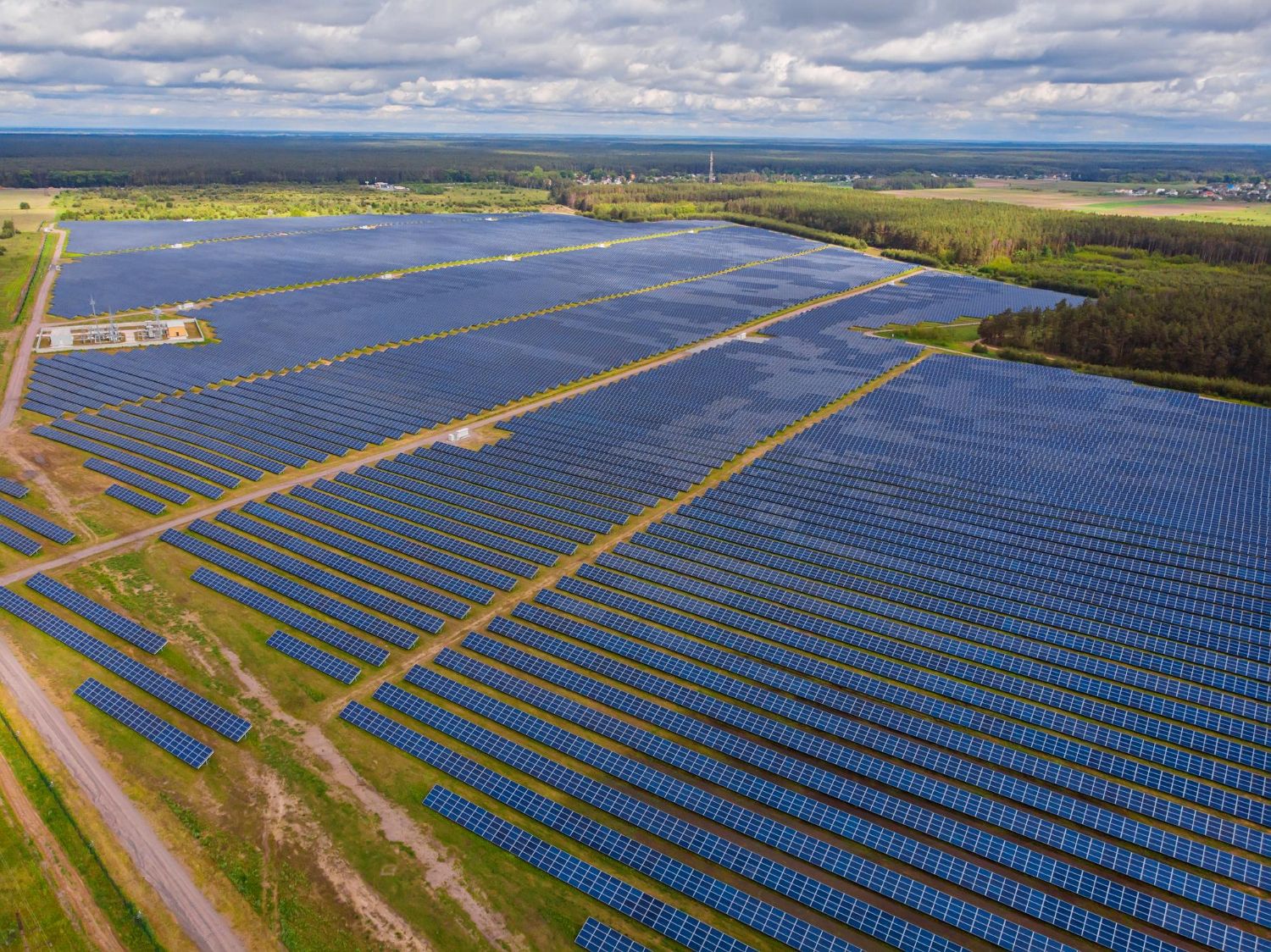
While the building manager assesses the best technological access-control solutions for the front desk and invests in ongoing recognition for the building's doorman, general management also needs to look behind the operational scenes to tackle another major drain on the monthly budget: the high cost of electricity for the building's common areas. The uninterrupted operation of electronic gates, CCTV camera systems running twenty-four hours a day at the front desk, lodge lighting and lifts weigh heavily on the building's revenue. To solve this challenge with total efficiency and sustainability, the NewSun Energy Group presents an innovative clean energy subscription.
The clean energy subscription offered by NewSun stands out as the perfect solution for managers looking to reduce the building's fixed operating expenses without needing to make upfront financial investments in works or the installation of solar panels on the building's premises. Through this innovative and fully sustainable system, the building begins consuming electricity generated from renewable and clean sources, which stabilises the common-area electricity bill immediately and for good, shielding the building's collective finances against the financial impact of variations and increases in tariff surcharges during dry spells.
In this way, NewSun's subscription model delivers progressive savings over the course of the contract, freeing up more funds in the ordinary budget so the building manager can invest in modernising the front desk, arranging staff training or improving the building's perimeter security. In addition to real, guaranteed financial savings, NewSun stands out in the market for offering truly human, close and personalised service, cutting out the red tape of traditional utility providers. Management also gains exclusive access to the NewSun Energy Club digital platform, a modern tool developed for detailed, real-time monitoring of the building's entire energy usage, giving full control of consumption right at your fingertips.
Find out everything about our Clean Energy Subscription.
Best practices for recognising the front-desk team
Promoting genuine recognition for the front-desk team within a residential or commercial building requires adopting ongoing, practical actions of respect and dignity that go far beyond isolated celebrations on 9 June. The building manager, acting as the community's principal administrative leader, should lead by example and set clear guidelines to ensure that the working environment at the front desk is safe, healthy, motivating and equipped with proper ergonomic conditions to support staff through long shifts at the building.
The first and most urgent step towards human recognition is ensuring proper thermal and acoustic insulation inside the lodge, protecting the doorman from the bitter cold of winter or the stifling heat of the summer months. Equipping the front-desk workstation with a high-quality adjustable ergonomic chair, an efficient climate-control system, a video monitor set at the correct height to prevent spinal injuries, and direct access to a clean toilet are basic infrastructure obligations that show the building's respect for the worker's physical health.
Beyond physical improvements at the front desk, raising residents' awareness to combat disrespectful or prejudiced behaviour is essential to preserving the dignity of the professional team. The building manager should issue periodic educational notices reminding owners that the doorman follows strict technical rules set out in the internal regulations and deserves to be treated with the utmost courtesy and kindness by everyone, turning the building into a practical example of social harmony and mutual respect in everyday working relationships.
To turn the daily routine of the building's reception into a model of workplace excellence and team satisfaction, the residents' committee should implement the following good people-management practices:
Carrying out annual ergonomic audits of lodges to correct posture and improve the doorman's thermal comfort;
Internal awareness campaigns against workplace bullying and encouraging mutual courtesy at the front desk;
Creating an internal plan for roles and salary incentives based on attendance and security targets for the building;
Regularly providing high-quality uniforms suited to the different seasons of the year at the front desk;
Providing open institutional channels so the doorman can suggest operational improvements to the building's routine.
The future of reception and harmony in shared living
Concluding an in-depth analysis of the role of the front-desk professional on 9 June requires property managers to take a strategic view of the future of cities and collective housing. The technological evolution of remote electronic systems should not be seen as a threat to the extinction of the doorman's career, but rather as a historic opportunity for professional retraining, where the precision of digital tools merges with the irreplaceable sensitivity and judgement of in-person human service, generating greater efficiency for the building.
The operational success and security of a residential building depend directly on the harmony and balance with which management runs its integrated human and technological assets at the front desk. Investing in recognising the doorman, ensuring ongoing security training and dignified working infrastructure, goes hand in hand with the pursuit of modern solutions for budgetary efficiency and ecological sustainability in the building's common areas, such as the innovative sustainable energy subscription model provided by the NewSun Energy Group.
By balancing cutting-edge technology with respect for the people who run the front desk, the building manager builds an exemplary model of building governance that is safe, human and financially sustainable for future generations of residents. The future of building reception lies in the wisdom of valuing human relationships while embracing technical innovation to protect lives, establishing the building as a truly safe, peaceful, cost-effective and harmonious place to live and work with full dignity and community pride throughout the year.
You may also like
- Casos de Sucesso
 20/10/2026
 5m
5m - Dicas para Síndicos e PMES16/10/20265m
- Dicas para Síndicos e PMES13/10/20265m




Stop paying more for your energy bill
Find out in less than 1 minute how much you could save with clean energy every month — no works and no bureaucracy.
Join the energy revolution
Subscribe to our newsletter and receive exclusive content