
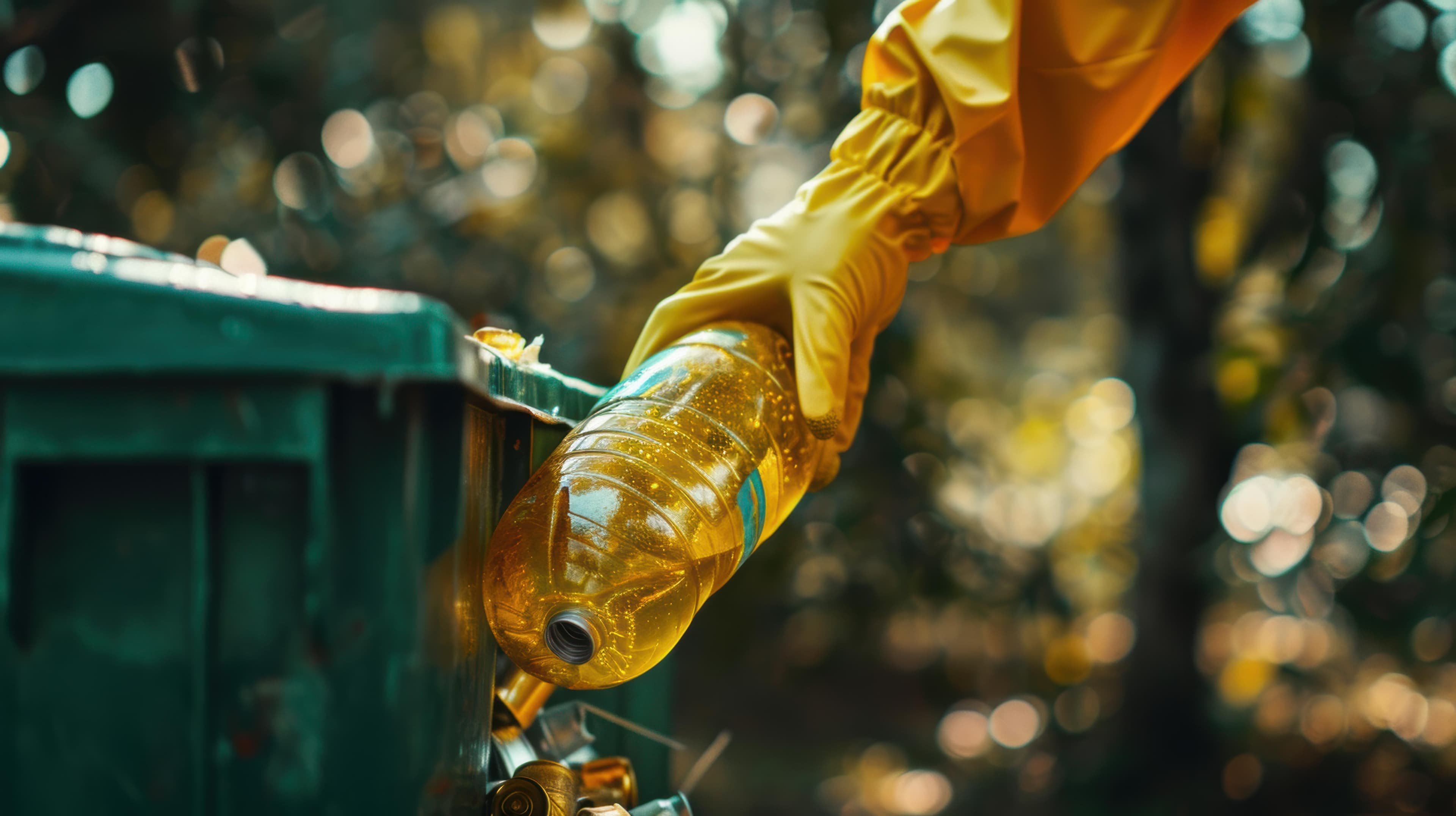
Cooking Oil Disposal: A Guide for Condominiums
Cooking Oil Disposal: A Guide for Condominiums
Dicas para Síndicos e PMES
 18/06/2026
 5 min
5 minEfficient management of a residential complex requires the property manager and their support team to pay constant attention to small details which, together, determine the building's operational success. Often, the biggest maintenance challenges and the most unforeseen expenses from the general fund do not arise from major visible structural failures, but from quiet domestic habits practised daily by hundreds of residents within their private units. One of the most emblematic and worrying examples of this hidden dynamic is the way the community deals with the greasy waste generated after preparing food, turning the routine act of cooking into a potential structural bottleneck for the whole condominium.
When we multiply the amount of waste generated in a single family lunch by the total number of flats that make up the condominium, the final volume of waste reaches alarming proportions. The lack of dedicated infrastructure and clear guidance leads many residents to use the kitchen sink to quickly get rid of this material. Improperly disposing of cooking oil directly into the sewage system is a mistake that is invisible in the short term but creates a chain reaction of serious problems in the shared plumbing network. This habit damages the collective pipework and raises the costs of extraordinary maintenance, burdening the pockets of all the unit owners in the condominium.
To reverse this harmful scenario, the condominium's management must take on a role of educational leadership, implementing a conscious disposal programme focused on practical sustainability. Treating the final destination of this waste with journalistic and informative rigour allows residents to understand the impact of their domestic actions on the common good of the community. The manager's role is precisely to offer viable and organised alternatives, turning the condominium into an example of environmental responsibility and cost efficiency. The first step on this journey towards awareness involves understanding in detail how cooking oil negatively interacts with the physical and financial structure of the condominium.
The serious environmental damage caused by incorrect disposal
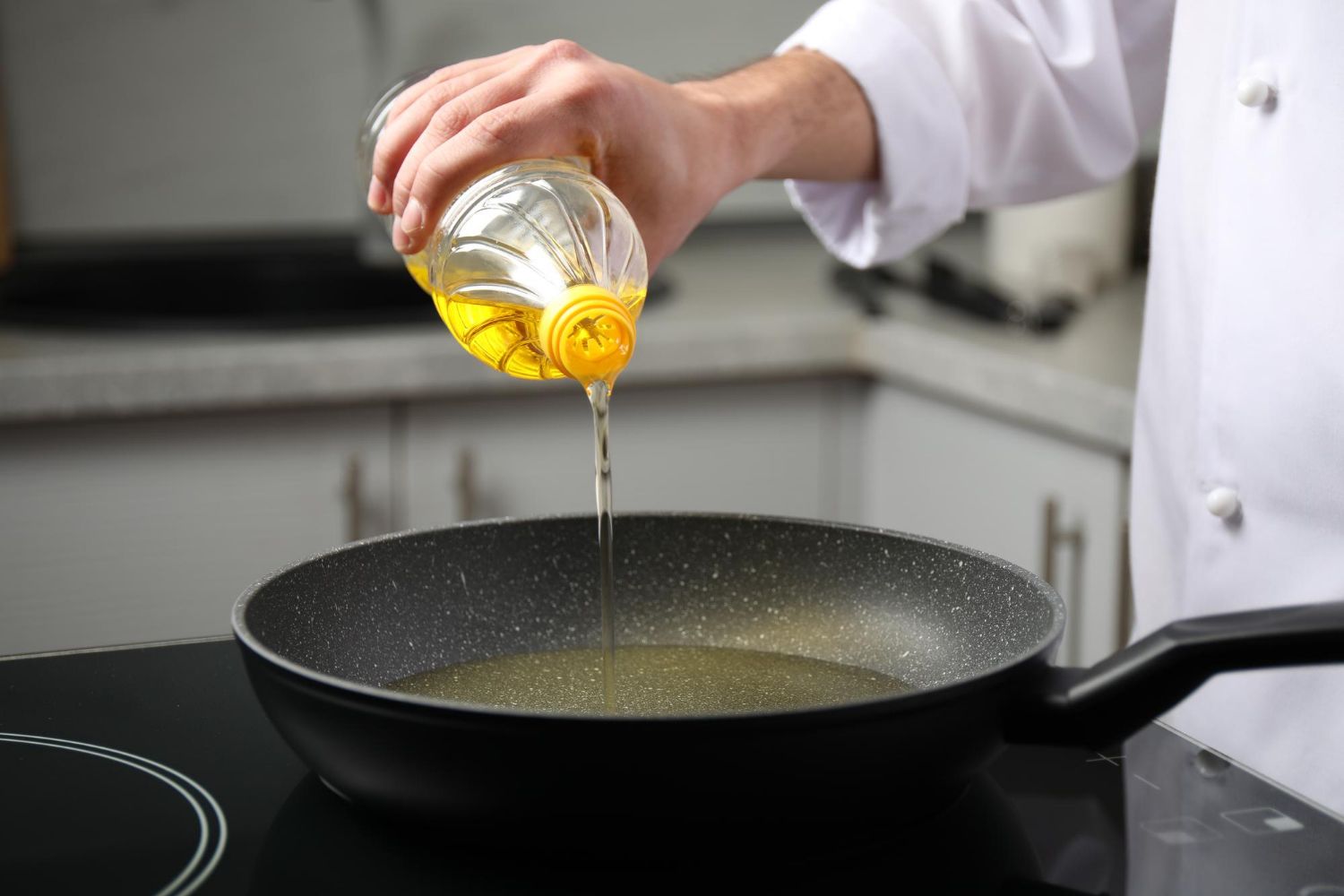
The negative impacts of improperly dumping greasy waste into the public network go far beyond the physical limits of the condominium's walls, representing one of the biggest environmental threats to urban aquatic ecosystems. Cooking oil has physical properties that prevent it from mixing with water, acting harmfully when it reaches rivers, lakes and water sources through the sewer network. Just a single litre of cooking oil disposed of incorrectly has the technical capacity to contaminate and waterproof up to a million litres of drinking water, a massive volume that destroys the quality of available water resources.
On reaching bodies of water, cooking oil creates a dense, oily film floating on the surface, blocking the passage of sunlight and preventing the natural oxygenation of the aquatic environment. This biological blockage suffocates fish, underwater plants and microorganisms essential to the balance of the fauna and flora, causing the mass death of species and speeding up the degradation of the rivers that run through the metropolitan regions near the condominium. For residents, understanding that disposal down the kitchen sink destroys nature helps create a sense of urgency about the need for environmental prevention and collective engagement.
In addition to direct river contamination, cooking oil that seeps into the soil causes the ground to become waterproofed, making it harder for rainwater to be naturally absorbed and exponentially increasing the risk of flooding on the public roads around the condominium. When the waste reaches the groundwater, decontamination requires extremely expensive and complex industrial chemical processes at water treatment plants. A condominium that fails to mobilise to create a safe disposal point becomes co-responsible for this cycle of environmental degradation, showing that the correct disposal of cooking oil is an ethical duty of citizenship.
The structural damage: How grease destroys the condominium's plumbing
The condominium's finances and the management's cash flow are the first to suffer the physical consequences of improperly disposing of fatty waste in flat sinks. When cooking oil is poured down the drain in a liquid, heated state, it undergoes a rapid cooling process as it travels through the condominium's internal sewage network. As it cools, this grease undergoes a change of physical state, solidifying and firmly adhering to the plastic or cast-iron walls of the condominium's central drainage columns.
This continuous, progressive build-up of solidified grease works in exactly the same way as cholesterol in human arteries, gradually reducing the usable diameter of the condominium's pipes. Over time, food scraps, hair and other debris sent down the drain become trapped in this pasty barrier of cooking oil, forming extremely rigid blocks of fat technically known as "fatbergs". When the blockage reaches its critical limit, the condominium faces severe blockages, chronic bad smells coming from the drains and the terrible risk of sewage backing up into flats on the lower floors or ground floor of the building.
To unblock a central sewage column damaged by the build-up of cooking oil, the condominium's management is forced to urgently hire outsourced drain-clearing companies, spending heavily on high-pressure hydro-jetting services. These emergency corrective maintenance costs drain the condominium's reserve fund and generate unnecessary stress among the affected residents. To identify whether the shared plumbing system is suffering the harmful effects of incorrect grease disposal, the property manager should instruct the caretaking team to monitor the following practical warning signs:
Widespread slow drainage of water from sinks and laundry tubs in multiple units of the condominium;
Constant bubbling and unusual noises coming from kitchen drains when residents on upper floors use the network;
Strong, persistent, sour smells rising through the pipework in common areas and the condominium's grease traps;
Frequent overflows or leaks in the inspection chambers located in the basement or car parks of the condominium;
Recurring need for mechanical cleaning interventions in the condominium's central grease traps at intervals of less than three months.
How to correctly dispose of cooking oil in everyday life
Guiding residents on the practical mechanics of correct disposal is the most efficient way to eliminate the problem at its root and protect the condominium's shared plumbing. The process of storing used cooking oil at home is extremely simple, clean and accessible to anyone, requiring no complex tools or financial investment from families. The secret to successful selective collection lies in turning this small disposal ritual into an automatic habit built into the kitchen cleaning routine.
The first mandatory step residents should follow is to wait for the cooking oil to cool completely in the pan or frying pan before handling the waste in any way. Trying to pour the liquid while it is still hot into plastic containers causes the material to melt instantly, creating a serious risk of skin burns and mess on the floor of the condominium flat. After it has fully cooled, residents should use a simple funnel to transfer the used cooking oil into a plastic PET bottle, which must be clean and completely dry inside.
During the period of storage at home, the PET bottle containing the cooking oil must be kept hermetically sealed with its original cap, preventing odours from leaking out that could attract insects or urban pests into the laundry cupboard. Residents should keep accumulating the waste until the bottle reaches its maximum storage capacity. Once the container is full and well sealed, the resident carries out the disposal by taking the PET bottle directly to the selective collection point set up by the management in the condominium's common areas, completing a fully ecological, safe and hygienic disposal cycle.
The property manager's role in raising awareness and engaging residents

Within the organisational structure of a collective housing scheme, the property manager acts as the main driver of cultural change and promoter of good environmental sustainability practices within the condominium. Implementing physical collection points alone, without investing in a robust and ongoing internal communication campaign, results in low engagement from residents, causing the cooking oil disposal point to be underused or forgotten by families. Active leadership from management is the driving force behind adoption of selective collection in the condominium.
To engage residents of all age groups, the condominium's manager should use accessible language focused on the direct economic and ecological benefits that correct disposal will bring to the service charge. Showing simple charts demonstrating the reduction in drain-clearing expenses after the start of the cooking oil collection helps the community visualise the project's real value. Involving children who live in the condominium through educational challenges to collect full PET bottles is an excellent mobilisation strategy, turning sustainability into a fun, community-based activity.
Preventive notices should be spread through multiple channels to ensure the message about correct cooking oil disposal reaches every resident of the condominium. Coordinating printed and digital notices prevents the rules from being generally forgotten. To structure a high-impact internal communication campaign and ensure maximum family adherence to the environmental programme, the condominium's management should use the following strategic outreach and engagement tactics:
Putting up explanatory, illustrated posters on the physical noticeboards located inside all of the condominium's lifts;
Sending push notifications, digital circulars and educational videos through the condominium's official management app;
Holding practical workshops or cooking-oil collection challenges between residential blocks, rewarding the most engaged tower;
Including an ecological summary showing the litres of cooking oil collected and the savings generated on the condominium's maintenance bills;
Distributing simplified explanatory leaflets directly in the mailboxes of every unit in the condominium.
Step by step for setting up partnerships with recycling and collection companies
One of the great advantages of implementing a fatty waste collection programme is that the condominium does not need to spend its own funds to hire the selective collection service or purchase the storage containers. There are dozens of specialist companies, accredited waste-picker cooperatives, environmental NGOs and manufacturers of ecological soap or biodiesel that collect used cooking oil directly from condominiums completely free of charge and in a structured way.
The first step for the property manager to find a reliable partner in their area is to carry out a search with local environmental authorities or urban services departments, which keep updated lists of recycling cooperatives approved by public authorities. When contacting these cooking oil collection companies, the condominium's manager should negotiate the terms of a contract or partnership agreement, establishing the ideal frequency of waste collection according to the size of the condominium and how quickly the disposal drums fill up.
Many specialist companies offer highly advantageous benefit packages to attract the condominium's interest. As well as providing sealed plastic drums (bins) free of charge and carrying out periodic, fully hygienic swaps, some cooperatives reward the condominium by exchanging the cooking oil collected for industrial cleaning products, such as detergents, disinfectants and high-quality bar soap for use by the caretaking team in the common areas. This smart commercial exchange reduces routine spending on cleaning supplies, generating a double gain of financial savings and sustainability for the condominium's management.
Internal logistics: How to choose and maintain the collection point in the condominium
Defining the exact geographical spot within the condominium to house the cooking oil collection drum is a determining technical factor in ensuring the operational success of the collection and avoiding friction among residents. The chosen location must perfectly balance ease of access for residents making their daily disposal with logistical ease for the recycling companies' lorries that come to collect the condominium's full drums.
The locations most recommended by building maintenance specialists for housing the disposal point are properly ventilated central rubbish rooms, basement car park areas near the service lifts, or reserved uncovered internal courtyard areas of the condominium. The property manager should strictly avoid placing the cooking oil drum inside enclosed social halls or party rooms, places where accidental splashes or spills during disposal could damage expensive floor coverings and generate unpleasant sour odours for residents passing through the condominium.
Maintaining rigorous hygiene around the greasy waste selective collection point is a duty of the building's caretaking team that cannot be neglected by management under any circumstances. Keeping the area clean fends off legitimate complaints from dissatisfied residents and stops the ecological programme from being associated with dirt or disorganisation within the condominium. To ensure the logistical operation runs with maximum hygiene, order and safety for the community, the condominium's property manager should implement the following golden rules for maintaining the disposal point:
Always keeping the cooking oil collection drum on plastic containment trays to catch splashes and leaks;
Requiring the collection drum to remain hermetically closed with a pressure lid throughout the day on the condominium's premises;
Establishing a daily routine of washing and disinfecting the floor immediately around the condominium's cooking oil disposal drum;
Prohibiting the pouring of loose cooking oil directly into the drum, requiring the waste to be disposed of packaged inside a closed PET bottle;
Installing informative, instructional signs above the condominium's collection point, explaining the correct step-by-step process for hygienic disposal of the material.
NewSun Energy: Clean energy subscription and efficiency in common areas

While the building management team focuses its operational efforts on organising the logistics of the cooking oil disposal point, leads informative campaigns and oversees partnerships with cooperatives to prevent sewage blockages, the condominium also needs to look behind the scenes of its fixed monthly costs. Building upkeep involves the continuous operation of heavy electromechanical systems, such as water booster pumps that run intensively, basement lighting systems that stay on twenty-four hours a day in the car parks, reinforced entrances and service lifts. All this common-area infrastructure consumes a massive amount of electricity, representing one of the biggest fixed costs faced by the property manager when closing the condominium's monthly accounts. To achieve maximum budgetary efficiency and align the condominium with the future of practical, long-term sustainability, the NewSun Energy Group presents an innovative model of clean energy subscription.
The clean energy subscription provided by NewSun emerges as the perfect intelligent solution for managers seeking to reduce routine operating costs in a fully sustainable and hassle-free way, with no need to make upfront financial investments in complex works or install expensive solar panels on the building's roof. By joining this 100% renewable-matrix subscription system, the condominium starts consuming electricity generated from clean, sustainable sources, guaranteeing direct discounts on its traditional energy bill. The major strategic advantage of this innovative model is that it stabilises the electricity bill for the condominium's common areas, eliminating budget shocks caused by fluctuations in yellow or red tariff flags during prolonged dry spells, promoting steady, sustainable savings throughout the entire contract period.
Alongside the real, guaranteed financial savings achieved through the subscription, the NewSun Energy Group stands out in the national market for offering genuinely human, close, agile service focused on making the day-to-day management of property managers and administrators easier. The condominium also gains exclusive access to the NewSun Energy Club digital platform, a modern consumption intelligence tool designed for detailed, transparent, real-time monitoring of the building's entire energy spending profile. Through NewSun Energy Club, the manager monitors electrical indicators at their fingertips, combining digital innovation with sustainability to boost the financial health of the condominium's common fund, freeing up resources for new investments in building improvements, contracting ecological services and maintaining excellence across all the condominium's internal disposal and recycling points.
Find out everything about NewSun Energy's Clean Energy Subscription.
Financial benefits and property appreciation through sustainability
Adopting environmentally sound practices, such as organised selective collection of cooking oil, brings a measurable financial return that positively impacts the condominium's overall economic health. When the community adopts the conscious disposal programme en masse, the rate of blockages and sewage backflow drops drastically in the central drainage columns. This drastic reduction in plumbing problems is immediately reflected in lower spending on hiring emergency drain-clearing companies and expensive hydro-jetting services, saving thousands of reais from the condominium's general fund over the course of the year.
Beyond the direct savings on corrective plumbing maintenance, condominiums that showcase structured waste management programmes and pursue ecological partnerships gain a strong competitive edge in the national property market. Today's buyers are far more conscious, demanding and focused on purchasing flats in buildings that adopt genuine sustainability practices, energy efficiency and social and environmental responsibility. This perception of administrative modernity attracts qualified new residents and raises the market value of the condominium's entire collective asset, generating long-term property appreciation for the owners.
For property investors, a smart condominium that combines low extraordinary maintenance charges with cutting-edge green initiatives has greater liquidity and faster resale or rental turnover for its individual units. Breaking the cycle of invisible waste and emergency spending proves that practical sustainability is the best path to building a modern, high-performing condominium administration. To demonstrate the immediate financial benefits generated by implementing the cooking oil collection point, the condominium's management can highlight the following direct advantages for the building's collective fund:
A drastic reduction of up to eighty per cent in extraordinary spending on hiring sewage hydro-jetting lorries for the condominium;
Reduced physical wear on the common pipework, extending the service life of the condominium's drainage columns;
Free industrial cleaning products supplied by partner cooperatives in exchange for the cooking oil collected;
Immediate commercial appreciation in the price per square metre of flats due to the condominium's ecological, sustainable positioning;
Financial relief on the monthly service charge paid by residents thanks to reduced emergency caretaking spending.
Updating the internal rules to provide for waste management
For the correct cooking oil disposal programme to gain institutional strength, long-term stability and unquestionable legal validity within the community, the property manager must propose updating the rules contained in the condominium's internal regulations and bylaws. Relying solely on residents' voluntary good sense may not be enough to curb the negligence of a minority who insist on pouring greasy waste down the kitchen sink, undermining the whole condominium's collective efforts towards savings and environmental prevention.
The property manager should call an extraordinary general meeting of residents specifically to discuss including specific special-waste management clauses in the building's regulations. The quorum required to amend the condominium's internal regulations requires approval by a simple majority of the votes of the owners present at the meeting, provided the notice of the meeting has been distributed to all units within the legally required timeframe. Formalising the selective collection programme in the meeting minutes gives the management the legal backing needed to apply sanctions to repeat offenders who fail to comply with the condominium's rules.
The new clauses included in the condominium's regulations must expressly prohibit the disposal of cooking oil and residual fats directly into the plumbing of residential units or the drains in common areas. The approved text must set out clear, progressive penalties, starting with formal written warnings sent to the offending flat, followed by significant administrative fines added to the service charge billing in cases of chronic repeat offences or proven damage to the shared plumbing due to negligence. This compliance regulation protects the collective asset, educates the community and ensures the ongoing success of the condominium's disposal programme.
Joining forces to build a green and economical condominium
Successfully completing modern condominium administration requires the property manager to have the courage to implement structural projects that definitively break the cycle of invisible waste and recurring emergency corrective spending. Setting up a correct, hygienic disposal point for used cooking oil marks a watershed moment in the environmental and financial governance of any residential or commercial building, cementing a practical commitment to genuine sustainability, the preservation of the building's plumbing and the long-term property appreciation of all the individual units that make up the condominium.
By balancing the excitement of ecological transformation with the administrative responsibility of a controlled budget and the pursuit of innovative cost-saving solutions for shared common areas, such as the smart clean energy subscription model provided by the NewSun Energy Group and supported by the NewSun Energy Club analytics platform, the condominium manager raises their administration's operational standard to a level of corporate building excellence, proving that budgetary efficiency and sustainability go hand in hand within the condominium.
The ongoing success of the cooking oil disposal environmental programme relies on combining proactive leadership from the property manager, a well-trained caretaking team and the conscious participation of the entire resident community at general meetings. Taking on the role of catalyst for this cultural transformation at domestic sinks leaves a lasting legacy of modernity, comfort and savings that will benefit all residents through harmonious, green coexistence, fully protected against plumbing incidents and financial waste.
To guide your practical next steps towards the immediate, efficient implementation of this integrated sustainability project in the building, the condominium's management team should strictly follow this roadmap of executive action guidelines:
Carry out a detailed survey of the entire history of drain-clearing expenses over the last twelve months to justify the condominium's project;
Contact accredited waste-picker cooperatives or cooking oil recycling companies to request the free supply of collection drums;
Choose a covered, ventilated, safe and accessible location in the common areas to install the condominium's fixed cooking oil selective disposal point;
Launch a multichannel internal communication campaign using posters in the lifts and digital alerts explaining the correct step-by-step disposal process;
Schedule meetings with sustainable transition specialists to implement clean energy subscriptions and optimise the overall electricity costs of the whole condominium.
You may also like
- Dicas para Síndicos e PMES
 22/10/2026
 5m
5m - Casos de Sucesso20/10/20265m
- Dicas para Síndicos e PMES16/10/20265m




Stop paying more for your energy bill
Find out in less than 1 minute how much you could save with clean energy every month — no works and no bureaucracy.
Join the energy revolution
Subscribe to our newsletter and receive exclusive content