
Consumption Report: energy impact during parties
Consumption Report: energy impact during parties
Dicas para Síndicos e PMES
 19/02/2026
 5 min
5 minWith Carnival approaching and parties and events taking place within condominiums, many building managers worry about the effects of this increase in activity on the consumption report for energy. The extended holiday, social events and heavy use of common areas tend to generate consumption spikes that can bring surprises in the electricity bill at the end of the month. Beyond the financial impact, sharp swings in demand can indicate operational faults, poorly distributed usage times, faulty equipment, or equipment working harder than necessary, which reinforces the importance of monitoring the data closely.
This scenario reinforces the importance of good energy planning — not only for parties like Carnival, but also for other internal events, end-of-year celebrations and residents' regular activities. By organising the condominium's calendar, setting rules of use and anticipating peak usage times, it becomes easier to reduce waste without compromising comfort. It is also advisable to align expectations with residents, as small changes in habits during periods of higher use can significantly reduce total consumption.
This article presents ways to build a consumption report, analyse it, understand the typical energy impacts of events, and apply good planning practices to control energy spending in condominiums. The aim is to show how to turn numbers into decisions: identifying what changed, why it changed, and which actions deliver results in the short and long term.
Carnival and energy consumption: understanding the relationship
Carnival is one of the most festive times in Brazil, with street parties, get-togethers and heavy use of leisure spaces. Even though many residents travel, others stay in the condominium and use more electrical equipment — especially air conditioning, decorative lighting and appliances — which can raise overall electricity consumption. According to Eletrobras, it is possible to adopt mindful consumption practices even during Carnival to avoid waste.
In condominiums, the effect tends to be more noticeable in common areas. Function rooms, barbecue areas, gyms and swimming pools may operate for longer hours, with lighting, sound, refrigeration and air conditioning running simultaneously. When usage is concentrated in just a few days, consumption rises sharply and shows up clearly at the end of the billing period, especially when there is no prior control over hours and capacity.
When analysing a consumption report, especially in February and March (depending on when Carnival falls), the data often shows an average increase of up to 4% in temperature- and working-day-adjusted consumption at the end of summer. This happens even during festive periods, when the use of energy in common areas can be more intense.
Another relevant point is that consumption does not always grow purely because of usage time, but also because of how equipment is operated. Doors left open in air-conditioned rooms, equipment switched on before the event starts, decorative lighting without timers, and simultaneous use of high-power appliances unnecessarily increase demand. In some cases, higher consumption comes together with greater equipment wear, which tends to generate maintenance costs that often go unaccounted for.
What is a consumption report?
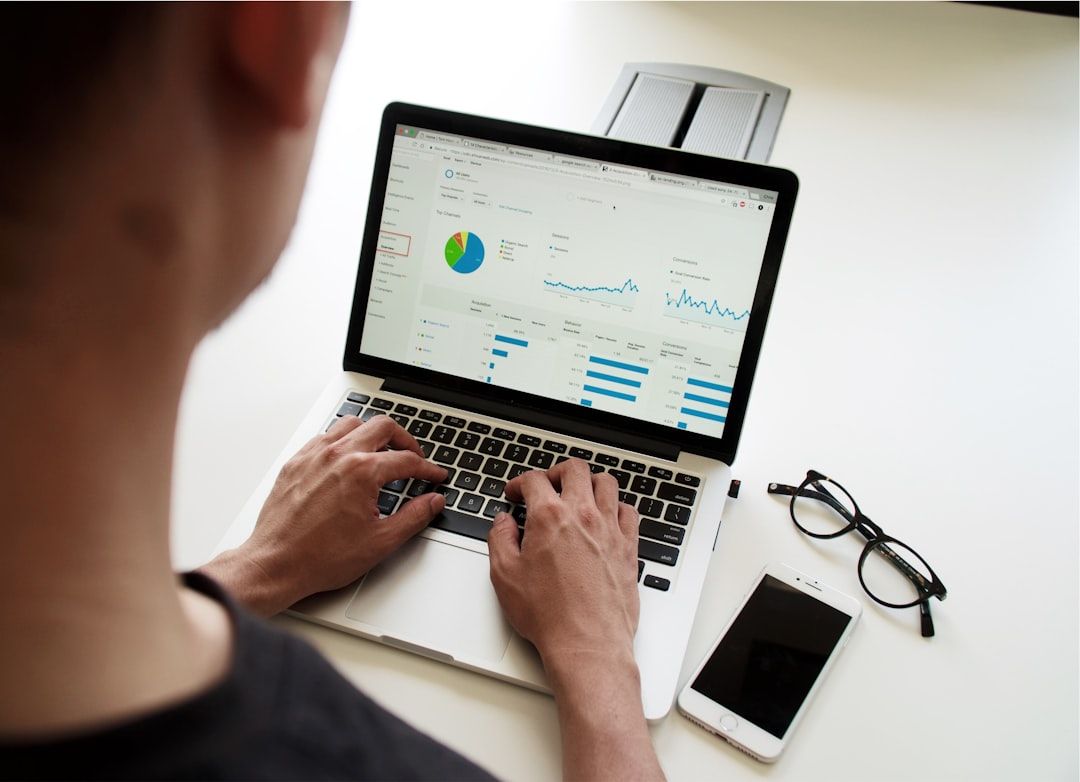
Before going further, it is important to understand what makes up an energy consumption report in a condominium. Generally speaking, it is a set of information that consolidates electricity use over a given period, allowing variations to be compared and behaviours outside the norm to be identified.
Depending on the level of detail available, the report may consider only the condominium's total consumption (common areas) or include sub-metered readings, when there is submetering by block, equipment or area. The more granular the information, the easier it becomes to pinpoint the source of spikes and target corrective action.
What it shows
A consumption report details:
Total electricity used over a given period;
Comparison with previous months;
Identification of consumption spikes;
Possible causes of high consumption (such as events or inefficient equipment use);
Relevant indicators for energy planning.
Besides these items, some reports include additional information, such as peak demand, hours of highest consumption and cost estimates by time band, where applicable. This data helps to understand whether the problem is concentrated in a specific time of day or spread across the month.
This type of report is essential for building managers and administrators because it enables them to track patterns, anticipate costs and make decisions based on real data — something decisive for cutting costs and avoiding budget surprises.
In practice, the report works as an operational “thermometer”. When consumption rises without a clear explanation, there may be faulty equipment, inadequate temperature settings, lighting left on outside scheduled hours, or routine changes that have not been factored into the condominium's planning. For this reason, it should be reviewed regularly, rather than only reactively once the bill arrives.
How internal events affect energy consumption

Events in the condominium, whether Carnival parties, birthdays or informal gatherings, can significantly impact energy consumption. Understanding this helps with planning to minimise its effect on the electricity bill and to make better use of the spaces.
The impact varies according to the size of the event, the number of guests, the start and end times, and the equipment used. Evening parties, for example, tend to require more lighting and air conditioning over long periods. Daytime events, meanwhile, can increase the use of pumps, lifts and support equipment, depending on the condominium's structure.
Heavy use of common areas
Leisure areas such as function rooms, swimming pools and gyms are equipped with lighting, air conditioning and other equipment that consume energy. When events take place, these spaces stay switched on for longer, generating spikes that show up clearly in the consumption report.
It is also common for adjoining areas to be used beyond what was planned, such as lobbies, restrooms, car parks and access points. This extends lighting and ventilation time, and can increase consumption even when the event takes place in a single space. Controlling the opening and closing of spaces, combined with usage rules, tends to reduce this effect.
Air conditioning equipment
In summer, with high temperatures and parties, the use of air conditioning and fans increases. This is especially relevant for condominiums in warmer regions, as air conditioning is one of the biggest contributors to rising energy.
Beyond running time, settings directly affect consumption. Very low temperatures, dirty filters and open doors make the system work harder to maintain the environment, increasing the load. During events, people constantly coming and going increases air exchange and may require operational adjustments, such as controlled pre-cooling and scheduled shutdown at the end.
Decorative lighting
Decorations and special lighting for events may seem simple, but they increase energy consumption if not properly planned. Regular lighting in common areas already represents significant spending — something a consumption report can clearly show when compared to months without events.
The type of bulb and the way it is installed make a difference. Light strings, spotlights and decorative panels can stay on for hours unnecessarily, especially when there are no timers. Adopting LED lighting and using sockets with time control help maintain the visual effect without disproportionately increasing consumption.
Consumption report as a planning tool
Energy planning begins with collecting, comparing and analysing data. The consumption report is a powerful tool because it enables:
Identifying consumption patterns
Comparing consumption charts across several months or years helps to:
Check which months had higher spending;
Identify causes (such as parties or high temperatures);
Adjust equipment use in real time;
Anticipate periods of high demand.
Modern tools, such as smart monitoring systems, allow this data to be viewed in real time and make quick, informed decisions easier.
For the analysis to be useful, it is also advisable to record the context of the period: event dates, maintenance work carried out, routine changes and relevant occurrences (such as failures in pumps, lifts or lighting systems). This history makes it easier to correlate cause and effect and prevents the condominium from repeating mistakes in future events.
Another important practice is setting realistic targets. Rather than simply aiming to “reduce consumption”, planning can set goals by type of common area, time of use or event. This way, the report stops being just a record and starts guiding continuous improvement actions.
Energy efficiency practices in the condominium
Producing a consumption report regularly is not enough if it is not accompanied by practical energy saving measures. Here are a few:
1. Replace old bulbs with LEDs
LED bulbs use up to 80% less energy than traditional models and significantly increase efficiency in common areas.
Besides the savings, LEDs tend to have a longer lifespan, reducing the need for replacements and maintenance costs. In areas of continuous use, such as car parks and corridors, the payback tends to be faster. For best results, it is worth standardising wattages and colour temperatures suited to each space.
2. Install occupancy sensors
Sensors in corridors, lobbies and car parks reduce unnecessary electricity spending by automatically switching off lighting when there is no movement.
To avoid discomfort, it is important to adjust the hold time and sensitivity, especially in areas with intermittent traffic. In high-traffic areas during events, sensors can be combined with timed manual switching, ensuring both safety and control.
3. Modernise air conditioning systems
Automating and configuring air conditioning use during events or parties can reduce consumption spikes and smooth out the impact on the consumption report.
It is also advisable to keep filters clean, check refrigerant levels where applicable, and check the sealing of doors and windows. In function rooms, using air curtains or simple insulation improvements can reduce the need to run at maximum power.
4. Control and maintenance of lifts and pumps
Poorly maintained equipment consumes more energy. Investing in servicing and automating these systems helps with planning and monthly savings.
Booster and pressurisation pumps, for example, can operate inefficiently when there are leaks, poorly adjusted floats or unnecessary activations. In some cases, frequency inverters and programming adjustments reduce start-ups and improve performance. For lifts, modernising components and calibrating operation can lower consumption and increase reliability.
The building manager's role in the consumption report and planning
Building managers play a central role in analysing the consumption report and implementing effective energy planning solutions. This includes:
Constant monitoring
Regularly analysing energy spending patterns allows the building manager to spot unexpected spikes and take action before the electricity bill becomes a problem for the condominium's budget.
A simple monitoring routine — weekly or fortnightly, when data is available — helps detect deviations quickly. When consumption is only reviewed at the monthly close, the opportunity to correct the problem during the billing period is lost.
Engagement with residents
Raising residents' awareness can directly influence how energy is used during events or in day-to-day life. Simple communication campaigns can generate significant savings.
Clear rules for using function rooms, equipment shutdown times and guidance on air conditioning use help reduce waste without creating friction. Straightforward notices, posted on noticeboards and shared through the condominium's official channels, tend to gain good adherence when they explain the reason and the collective benefit.
Event planning
When scheduling parties and events, including a simulation of the impact on consumption as part of the planning helps anticipate containment measures and avoid surprises in the consumption report.
This simulation can factor in items such as air conditioning running time, number of light points, use of sound equipment, refrigerators and freezers, as well as peak hours. Based on this, it is possible to set limits, guide those responsible for the event and adopt simple measures, such as timers and shutdown checklists at the end.
Technology and innovation in energy management
Technology already offers advanced solutions to monitor and manage energy consumption in more depth than a simple report. Tools with smart sensors, IoT and apps make it possible to track spending in real time and optimise equipment use.
In addition, modern platforms provide intuitive dashboards that make it easier to interpret data and combine historical analysis with consumption projections for future events.
With real-time metering, it becomes possible to quickly identify whether a spike is coming from the function room, the pump room or another point in the condominium. This reduces investigation time and improves the accuracy of actions taken. In larger condominiums, sectorising consumption can be decisive for prioritising investments and demonstrating results over the months.
NewSun: the building manager's ally in energy savings and smart planning
One of the biggest challenges for building managers is turning the consumption report into practical savings and planning actions. NewSun acts as a strategic partner in this process, offering solutions that enable:
Monitoring energy spending
With access to the customer area, the building manager can track the condominium's energy consumption in detail and compare reports over time to make smarter decisions.
This monitoring makes it easier to identify trends and validate measures adopted, such as lighting changes, air conditioning adjustments and routine changes in common areas. With organised data, planning no longer relies on estimates and instead becomes evidence-based.
Adopting clean, cheaper energy
NewSun offers options that reduce costs by using clean energy, lowering the impact of the electricity bill and contributing to a more sustainable condominium.
Beyond the environmental benefit, cost predictability can help with the condominium's financial organisation, particularly during periods of heavier use of common areas. This stability supports medium- and long-term decisions, such as equipment upgrades and infrastructure improvements.
Shielding the budget from tariff flag variations
By standardising the electricity bill and protecting the condominium from tariff flag variations, NewSun gives the budget more predictability — making annual financial planning easier.
With predictability, it becomes simpler to organise reserves, approve investments and avoid unexpected surcharges. In months with events and higher occupancy, this protection helps prevent increased consumption from turning into a financial imbalance.
👉 Want to know how to cut energy costs in your condominium? Check out NewSun's solutions for condominiums and turn your consumption report into real savings.
More than measuring, it's necessary to act
The consumption report should not be seen merely as a cold document full of numbers. It is an essential tool for understanding how and when the condominium uses energy, identifying savings opportunities and guiding short-, medium- and long-term planning.
For this tool to deliver results, it is important to establish a routine: track indicators, log events that alter the pattern, compare equivalent periods and assign responsibility for corrective actions. With this method, the condominium can reduce waste, improve operations and maintain residents' comfort, even during periods of heavier use.
Events such as Carnival simply highlight the importance of proactive planning and technological strategies that provide real-time data. With simple actions, resident engagement and support from specialised solutions like NewSun's, it is possible to turn energy spending into an opportunity for savings and sustainability.
You may also like
- Casos de Sucesso
 20/10/2026
 5m
5m - Dicas para Síndicos e PMES16/10/20265m
- Dicas para Síndicos e PMES13/10/20265m


Stop paying more for your energy bill
Find out in less than 1 minute how much you could save with clean energy every month — no works and no bureaucracy.
Join the energy revolution
Subscribe to our newsletter and receive exclusive content