
Conflicts at the AGM: A Guide to Mediation and Harmony
Conflicts at the AGM: A Guide to Mediation and Harmony
Dicas para Síndicos e PMES
 05/03/2026
 5 min
5 minCommunity living is a constant exercise in balance. In large urban centres, the building has stopped being merely a place to live and has become a complex structure, where the building manager acts as a genuine people manager. Within this machinery, the condominium AGM is the moment of greatest pressure, as it is where individual interests collide with collective needs. Managing these conflicts is not merely a bureaucratic task; it is a leadership skill that requires emotional intelligence and clarity of purpose to prevent a necessary meeting from turning into an informal tribunal. The pursuit of conflict resolution should be the number one priority for anyone seeking a valued and respected management.
Many residents view the condominium AGM with apprehension, associating the event with endless arguments and a lack of focus. However, the professionalisation of the sector has brought tools that can transform this scenario. The goal of an efficient meeting is not the absence of disagreement, but rather the ability to channel these differing opinions into a conflict resolution that values everyone's assets and well-being. When the building manager masters mediation techniques, they protect the validity of the minutes and ensure that conflicts are minimised.
The key to peaceful management lies in transparency. Conflicts tend to flourish in the fertile ground of uncertainty. When management fails to communicate the reasons behind a fee increase, it opens the door to distrust, making conflict resolution more difficult. That is why this article works as a survival manual, teaching how to use language in favour of peace and how to shield the condominium AGM from the toxicity of long-standing disputes between neighbours. Efficient governance is that which anticipates the problem and offers solutions even before the official meeting.
Understanding the Origin of Conflicts in Buildings and Housing Estates
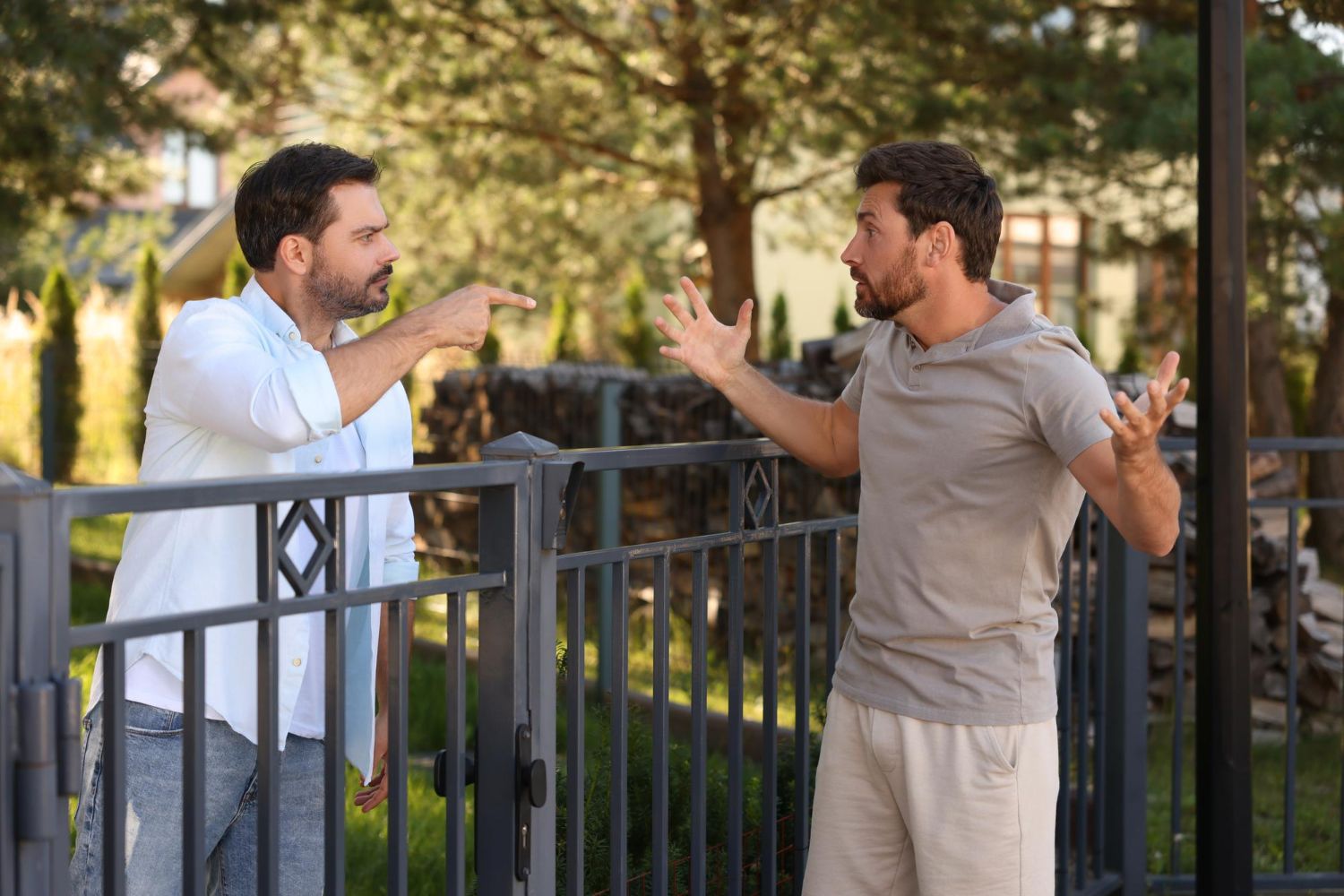
To apply effective conflict resolution, one must first understand its roots. Conflicts at a condominium AGM rarely come out of nowhere. Most of the time, they are the accumulation of everyday frustrations that found no proper outlet. Problems with noise, the use of parking spaces or the perception of authoritarian management are fuel that generates conflict at the time of the collective meeting. The psychology of coexistence shows us that small irritations can be amplified if a resident feels their voice is not being heard, blocking any attempt at conflict resolution.
Another determining factor is a lack of technical preparation for the event. When the agenda is sent out in vague terms, residents arrive at the condominium AGM on the defensive. Aggressiveness and conflict are, very often, manifestations of fear — fear of losing money to extra levies. Recognising that behind a raised voice lies an unmet need is the first step for the building manager to achieve conflict resolution before the situation spirals out of control. Understanding a resident's pain point is the most powerful tool a professional mediator has.
Lack of clarity in financial reporting and extraordinary expenses.
Differing interpretations of the internal rules and the condominium bylaws.
Improper use of common areas or disregard for quiet-hours rules.
A feeling of exclusion from strategic decisions taken by management.
High default rates, which place an extra burden on residents who pay on time.
Non-Violent Communication as a Leadership Strategy
Non-Violent Communication, or NVC, has revolutionised conflict resolution around the world. For the building manager, applying NVC at the condominium AGM means swapping the language of accusation for the language of cooperation. Rather than dwelling on conflict and attacking whoever interrupts, the manager takes an approach based on observable facts. This small shift removes value judgement and focuses on behaviour, enabling immediate, technical conflict resolution.The practical application of NVC requires the mediator to separate feelings from needs. When a resident complains loudly, they are expressing a feeling tied to an unmet need. The role of the condominium AGM chair is to translate that complaint, validating the feeling without allowing the conflict to contaminate the group. In doing so, the building manager disarms the opponent, because they feel heard, which is the central pillar of lasting conflict resolution.
Listening with empathy does not mean agreeing, but rather validating the other person's existence.For the building manager, NVC boils down to a mental script that should guide any intervention during a heated discussion. Following these steps helps maintain calm and authority, even under the pressure of major conflicts that arise at the condominium AGM.
Clear observation of the facts, without adding personal criticism.
Honest identification of the feeling the situation generates in those involved.
Recognition of the collective or individual need that must be met.
Formulation of a positive, objective request to move the meeting forward.
The Building Manager's Role as Facilitator in Conflict Resolution
The authoritarian building manager model is dying out. In the era of modern governance, the successful manager takes on the role of facilitator, focusing on conflict resolution. This means that, during the condominium AGM, they

should not act as the holder of absolute truth, but as the professional who presents data so the collective can decide. This stance reduces conflict because it removes the weight of decisions from the shoulders of a single individual. When residents realise they are part of the solution, conflict resolution happens organically..
Servant leadership is that which paves the way for consensus to happen.Active listening is another vital skill for conflict resolution. Facilitating is not simply letting people speak, but showing that what was said has been understood. Phrases that summarise the other person's viewpoint show respect and prevent conflicts from escalating due to a lack of attention. This care saves time and stops the condominium AGM from becoming a tiring event, which is one of the biggest causes of disengagement and future conflicts.
Preparing the Agenda: The Shield Against Chaotic Meetings
Many conflicts are born from the feeling that the meeting has no direction. A strategic agenda is the building manager's best shield for preventive conflict resolution.
The visual and logical organisation of the agenda sets the emotional pace of the session.Furthermore, specificity is essential for conflict resolution. Vague titles in the notice attract residents inclined to create conflict over everything. If the intention is to discuss a renovation, the agenda must be detailed. The clearer the prior description, the lower the risk of someone claiming to have been caught off guard. Clarity in the condominium AGM notice shields management and facilitates conflict resolution before people even walk into the room.
The building manager should also
avoid using the "Any Other Business" item for decisions involving money. As a matter of practice, this topic should be used only for quick updates or compliments. Allowing complex issues to surface under "Any Other Business" is the fastest way to generate uncontrollable conflict, since residents have not prepared for that debate. Keeping strict order to the agenda is a way of respecting those who planned ahead for the condominium AGM, ensuring that conflict resolution remains the focus.How to Handle Disruptive Residents During Voting
There are residents who use the collective forum for self-promotion or to fuel personal conflicts.
Without firm control, these individuals dominate the floor, preventing conflict resolution. Modern management teaches that silencing is not the only option, but rather establishing clear rules of conduct that should be read out at the start of the condominium AGM. Clear rules for everyone guarantee fairness and respect for the collective's time.When a disruptive resident starts a conflict, the mediator must act with surgical precision. Focus should be brought back to the agenda item. If the aggressiveness persists, the chair has the authority to withdraw the floor,
always justifying the action on the grounds of the common good. Conflict resolution in these cases depends on the board's ability to avoid being drawn into the interlocutor's emotion, keeping the condominium AGM professional and focused on results.Set a visible timer for each resident's contribution.
Interrupt personal attacks immediately, refocusing on the subject under discussion.
Use visual aids to present data and reduce subjective questioning
..
Mediating Long-Standing Rivalries: Beyond the Condominium AGM
One of the biggest challenges is conflicts that have lasted for years between specific neighbours. These rivalries tend to be brought into every meeting, where any agenda item becomes a pretext for jabs. The proactive building manager should identify these feuds and attempt conflict resolution in a controlled setting, away from the audience of the condominium AGM.

A one-on-one conversation can be far more effective than trying to resolve the problem in front of a hundred people.The manager can explain that hostile conduct harms the value of both parties' assets. If the conflict concerns something that breaches the regulations, fines should be applied in a technical and impersonal manner.
The building manager's impartiality is what prevents them from being dragged into long-standing conflicts during the condominium AGM. Addressing the problem rather than the person is the secret to successful mediation.Individual Approach:
Hear each party separately before the collective meeting.Private Mediation:
Arrange a meeting mediated by the management company to seek consensus.Focus on the Rule:
Remind residents of the penalties for aggressive conduct.Isolation:
If friction arises in public, cut off the discussion, stating that the matter is private.External Support:
Bring in professional mediators for particularly complex cases.Technology as an Ally in Reducing Physical Friction
Technology has transformed the way we deal with conflict and conflict resolution. The
virtual condominium AGM or hybrid format has brought a welcome side effect: reduced physical aggressiveness. The digital environment imposes a natural barrier to heat-of-the-moment reactions. Microphone control tools allow the chair to organise who speaks, preventing several people from talking at once, which tends to generate fresh conflict. The digital environment cools emotions and favours technical debate.In online meetings, the chat functions as a filter for civility. Many residents who would fuel conflict in person are able to express their concerns in writing in a more measured way. Furthermore,
automatic recording acts as a deterrent to offensive conduct, making subsequent conflict resolution easier through documentary evidence. This technological security for the condominium AGM is an advance that saves time and preserves the mental well-being of everyone involved.Digital management, however, requires support. If the platform fails, feelings of exclusion can generate fresh conflict. The building manager should invest in intuitive tools and provide usage guides. A well-run virtual condominium AGM is seen as a sign of respect for residents' time, which increases trust in management and, consequently, reduces the likelihood of conflicts born of distrust, paving the way for conflict resolution.
Drafting the Minutes: A Focus on Facts and Legal Protection
The minutes are not a place to record the seedy details of conflicts. They are the official document that proves the facts and the decisions taken to resolve conflict.
A common mistake is trying to record every insult that was exchanged. As a matter of practice, the ideal is for the document to focus on the subject matter. If a discussion took place, the record should be neutral, focusing on the final decision of the condominium AGM. The minutes should be a technical mirror.Naming individuals in embarrassing situations within the minutes can lead to lawsuits for moral damages, creating fresh legal conflicts.
The document should be an instrument of conflict resolution, proving that legal procedure was followed. If a resident demands that their protest be recorded in the text, the secretary should record only the legal content, summarised. Keeping the minutes free of emotion is essential so that they can serve their role as evidence in future condominium AGM audits.After the meeting closes, prompt distribution of the document is a strategy for social peace and conflict resolution. When management takes weeks to send out the copy, it fuels rumours of manipulation. In high-performing condominiums, the draft is reviewed and sent out digitally within a short time.
This speed demonstrates transparency and respect for what was decided at the condominium AGM, closing the meeting's cycle without room for fresh, interpretation-based conflict.Financial Sustainability: The NewSun Energy Group Solution
Most conflicts in condominiums share a common denominator: money. When costs rise, the building manager is forced to bring fee-increase proposals to the condominium AGM,

which invariably generates stress and makes conflict resolution more difficult. This is where financial innovation solutions, such as those offered by NewSun Energy Group, act as genuine peacemakers. Through the clean-energy subscription model, the condominium can cut its costs by up to 30%, without the need for complicated works that generate further conflict.One of the biggest benefits of this service is
protection against tariff surcharges.. NewSun's subscription ties consumption to predictable rates, ensuring the building manager does not need to call an extraordinary condominium AGM simply to ask for more money. Fewer negative surprises on the bills mean an environment that favours conflict resolution and the approval of other necessary improvements. Savings on the books are the best argument for harmony among residents.Although this type of contract does not require formal approval, since it does not involve works or the purchase of expensive equipment, NewSun encourages the building manager to
present the solution to residents. The company provides ready-made materials to be included in the meeting, allowing the manager to demonstrate absolute transparency. Recording these savings in the condominium AGM minutes acts as a seal of competence, raising the standing of management and drastically reducing conflicts rooted in a lack of financial results, making any future conflict resolution easier.Come and discover our
Solutions for Condominiums..
The success of a meeting is not measured by how many people agree with the building manager, but by the
quality of the democratic process and the conflict resolution achieved. Preventive governance is that which anticipates conflict through education. Managers who invest in clear communications, use apps to answer queries and hold informal meetings ahead of the official event manage to arrive at the condominium AGM with a far more informed base.Professionalism in running the condominium AGM is what separates buildings that gain value in the market from those stuck in eternal legal disputes.
When the building manager rigorously meets deadlines and keeps the agenda focused, they build a reputation for reliability. This trust is a manager's most valuable asset; it is what enables conflict resolution without the emotional toll that paralyses management. Authority is not imposed, it is earned through transparency and mutual respect.Ultimately, peace within the building is born not from the imposition of rules, but from the
ability to mediate differences with skill and empathy. By using tools such as Non-Violent Communication and strategic partnerships to cut costs, the building manager turns the meeting into a moment of progress. Conflict resolution is an achievable goal when leadership understands that managing a building is, above all, managing the expectations and relationships of the people who call it home.
You may also like
- Casos de Sucesso
 20/10/2026
 5m
5m - Dicas para Síndicos e PMES16/10/20265m
- Dicas para Síndicos e PMES13/10/20265m


Stop paying more for your energy bill
Find out in less than 1 minute how much you could save with clean energy every month — no works and no bureaucracy.
Join the energy revolution
Subscribe to our newsletter and receive exclusive content