
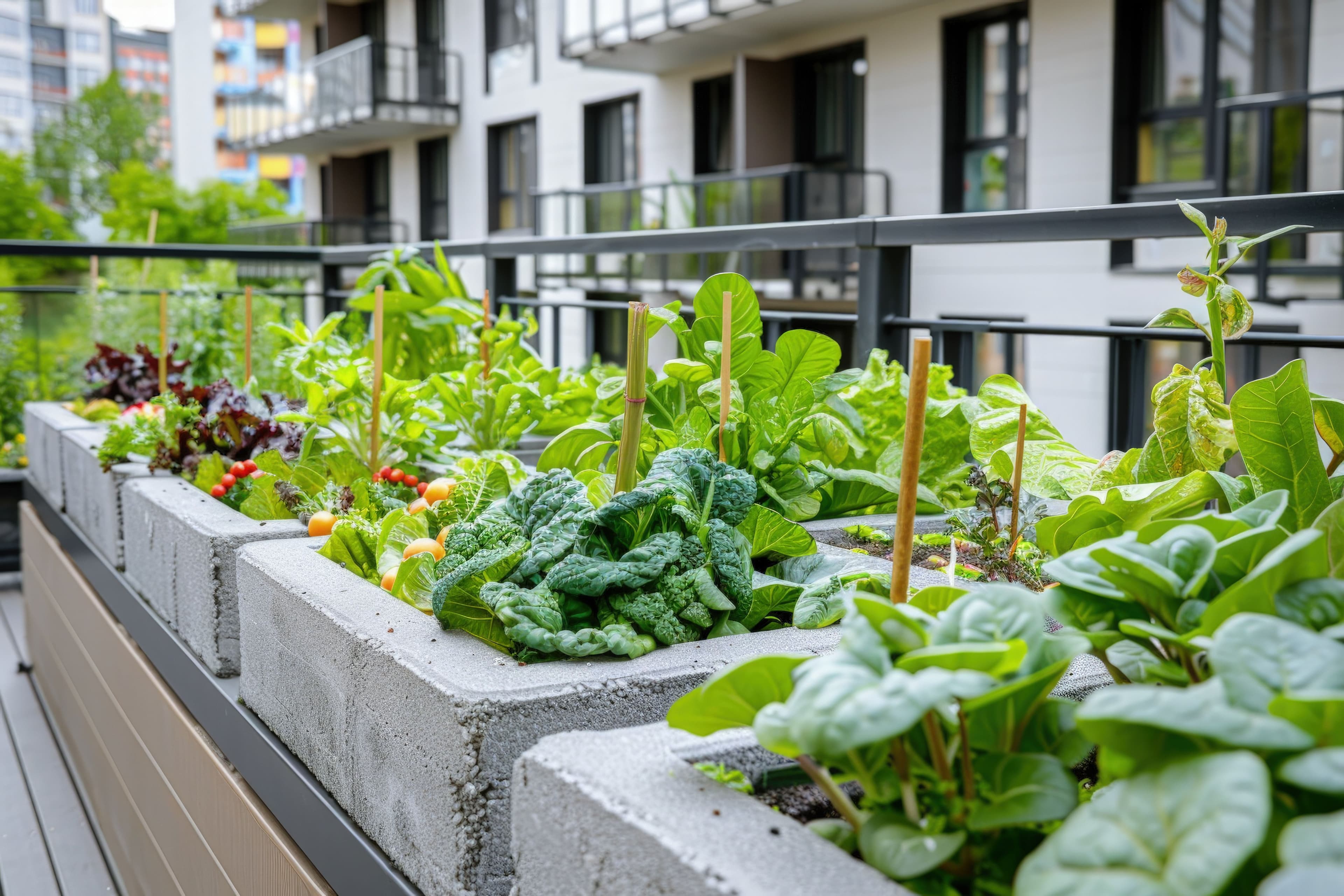
Community Vegetable Gardens and Composting in Residential Developments
Community Vegetable Gardens and Composting in Residential Developments
Dicas para Síndicos e PMES
 04/11/2026
 5 min
In recent years, sustainability has ceased to be merely a trend and has become a tangible concern in the management of residential developments. Residents are paying closer attention to environmental protection, the responsible use of resources and initiatives that improve quality of life without significantly increasing the development’s costs. Against this backdrop, projects such as community vegetable gardens and composting systems have begun to attract the interest of residents’ association managers and property management companies seeking to make their developments more sustainable and participatory.
In addition to their environmental benefits, these initiatives can bring residents together, strengthen the sense of community and create more welcoming shared spaces. At a time when many residential developments are looking for ways to increase residents’ engagement, few activities combine environmental education, social interaction and practical benefits as effectively as a well-planned community vegetable garden.
However, establishing a vegetable garden or a composting system requires much more than simply setting aside a space and providing a few seedlings. Without proper planning, the project may be abandoned within a few months, lead to disputes between residents or even create problems relating to hygiene and the improper handling of organic waste. The success of these initiatives therefore depends on organisation, collective participation and clearly defined objectives from the outset.
When the project is managed properly, sustainability becomes more than just a talking point: it becomes part of residents’ everyday lives, bringing benefits that the entire residential community can experience daily.
What are the benefits of a community vegetable garden in a residential development?
Establishing a community vegetable garden offers advantages that extend far beyond growing culinary herbs, vegetables or aromatic plants. Although harvesting is one of the project’s most visible aspects, its greatest benefits generally relate to the social and educational impact it has within the development.
One of the main benefits is a stronger sense of belonging. When residents take part in creating, maintaining and using the garden, they develop a closer connection with shared spaces. This helps protect communal areas and reinforces the feeling that the development is a community, rather than simply a collection of homes.
Another important aspect is environmental education. Children, young people and adults gain a better understanding of topics such as food production, natural cycles, waste reuse and sustainability. This learning takes place in a practical and accessible way, bringing environmental concepts closer to everyday life.
Well-maintained vegetable gardens can also enhance a residential development’s appearance, creating pleasant green spaces and strengthening perceptions of quality of life. In a property market that increasingly values sustainable initiatives, spaces of this kind help reinforce the development’s positive image.
How do you choose the best location for a community vegetable garden?
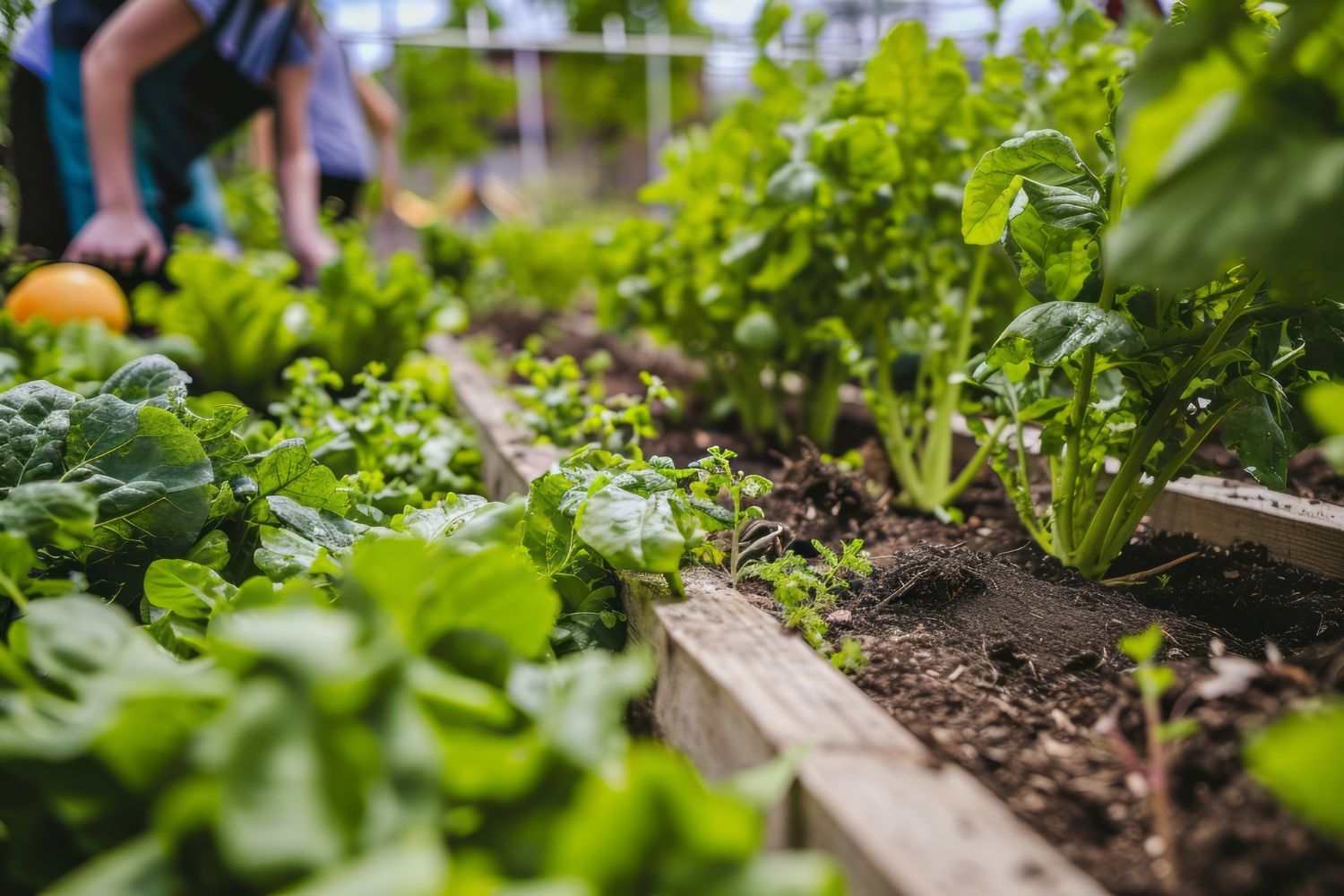
Choosing the space is one of the project’s most important stages. A vegetable garden in an unsuitable location is unlikely to produce good results, regardless of residents’ initial enthusiasm.
The first aspect to assess is exposure to sunlight. Most vegetables need several hours of direct sunlight each day to grow properly. Excessively shaded spaces tend to restrict plant growth and reduce the garden’s productivity.
It is also essential to consider residents’ access. A garden located too far from commonly used routes may be forgotten over time. Conversely, very busy locations can make it harder to provide the necessary care and increase the risk of damage to plants.
Another relevant factor is the availability of water for irrigation. The easier it is to access water, the easier the space will be to maintain and the more likely residents will be to participate.
Which plants work best in residential community vegetable gardens?
A common mistake is trying to grow crops that require intensive maintenance or advanced horticultural knowledge in the project’s earliest stages.
The best results are usually achieved with species that are easy to grow and widely used in everyday cooking. Herbs such as parsley, chives, basil, mint and rosemary tend to adapt extremely well and are popular with residents.
Leafy vegetables such as lettuce, rocket and collard greens can also be introduced gradually, provided suitable irrigation and growing arrangements are in place. What matters is that participants can see results relatively quickly. This increases motivation and strengthens collective engagement.
Projects that start simply tend to last longer than those that attempt to achieve overly ambitious results from the outset.
Composting: turning waste into resources

If the vegetable garden represents the most visible side of sustainability, composting is the process that gives the whole system its purpose.
Composting turns organic waste into a natural fertiliser through the controlled decomposition of materials such as fruit and vegetable scraps and dry leaves. In this way, some of the waste that would normally be thrown away is reused within the development itself.
As well as reducing the volume of rubbish sent to landfill, the practice produces nutrient-rich compost that can be used to maintain the vegetable garden and other gardens.
This integration of composting and cultivation is one of the most interesting aspects of sustainability in residential developments, as it creates a virtuous cycle of resource reuse.
How can you compost without causing unpleasant odours?
One of residents’ greatest concerns about composting relates to odours. However, when managed correctly, composting does not produce an unpleasant smell. A bad odour normally indicates an imbalance in the process, generally caused by too much wet waste or a lack of dry materials.
To avoid this problem, it is important to alternate organic waste with carbon-rich materials such as dry leaves, chemically untreated sawdust and plant clippings. This combination supports the biological balance of the composting system and significantly reduces the risk of odours.
Another essential consideration is ventilation. Overly enclosed or poorly managed systems tend to develop problems more frequently. Regular monitoring of the process is therefore essential to ensure successful composting.
How can you keep urban pests out of the composting system?

Many people associate composting with rats, flies or other unwanted animals. In practice, these problems generally arise when the system is used incorrectly.
One of the main precautions is to avoid adding meat, fish, fatty foods and dairy products. These types of waste have characteristics that can attract animals and hinder decomposition.
It is also important to keep the composting system protected and follow the management guidelines. Enclosed systems that are appropriately sized and regularly monitored tend to perform extremely well without creating risks associated with pests.
Educating residents plays a fundamental role here. The better the community understands how the process works, the lower the likelihood of mistakes that could compromise the project.
How can you ensure the vegetable garden is actually used?
Many residential developments launch vegetable garden projects with great enthusiasm but encounter difficulties after the first few months.
The main reason is usually a lack of ongoing participation from residents. When a small number of people take on all the responsibilities, fatigue quickly sets in and the initiative risks being abandoned.
Planning must therefore consider not only establishing the garden, but also how it will be used over time.
An effective strategy is to create volunteer groups responsible for specific tasks. Another useful approach is to organise small workshops, themed events or regular communal maintenance sessions. The more people take part in the garden’s day-to-day activities, the more sustainable it will be in the long term.
How can you engage residents in sustainable projects?
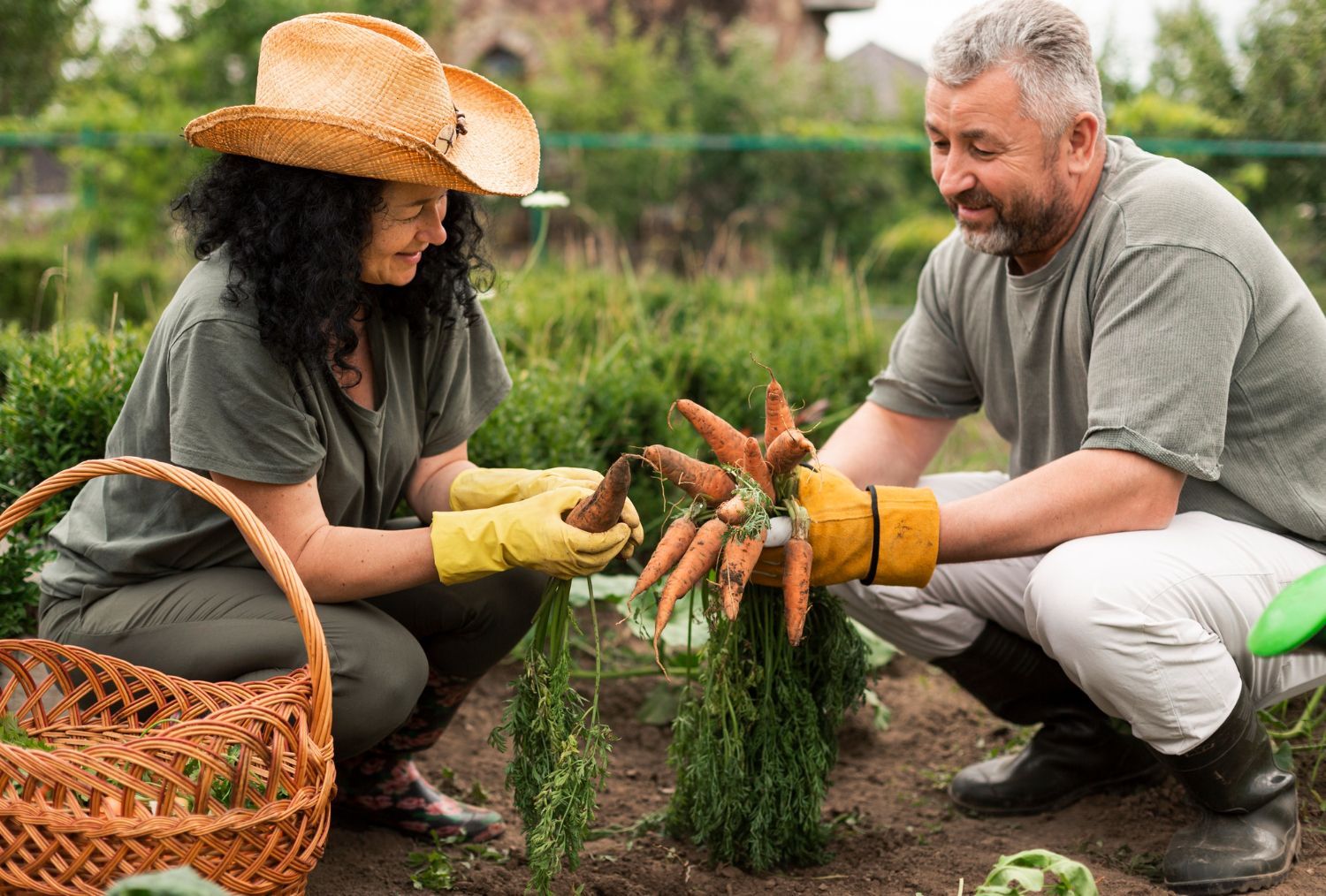
Engagement rarely happens spontaneously. It needs to be encouraged through clear communication and readily apparent benefits.
Residents need to understand why the project is being developed, what its objectives are and how each person can contribute. When the initiative is presented solely as an environmental obligation, participation tends to be limited.
By contrast, when the project is associated with social interaction, quality of life, children’s education and the enhancement of communal spaces, acceptance tends to be much greater.
Frequent communication, sharing results and celebrating achievements help sustain participants’ motivation over time.
What if the residential development is not yet ready for a vegetable garden or composting system?
Not every residential development has the physical space, resources or capacity to establish a community vegetable garden or composting system immediately. This does not mean sustainability has to wait.
There are several simpler initiatives that can provide excellent starting points. Separate recycling collection schemes, the gradual replacement of lighting with LEDs, motion sensors, water reuse for garden irrigation and educational campaigns on responsible consumption are examples of accessible, easy-to-implement measures.
These measures help build a culture of sustainability within the development and create a solid foundation for more advanced projects in the future.
What matters is understanding that sustainability does not come about solely through large projects. Small, consistent improvements can have a significant impact over time.
How NewSun’s clean energy subscription contributes to more sustainable residential developments

Among sustainable initiatives that are easy to adopt, NewSun’s clean energy subscription stands out by enabling residential developments to advance on their environmental journey without building work, complex installations or the purchase of equipment.
The model allows the residential development to take part in a renewable energy solution while maintaining its normal supply from the electricity distributor. There is no need to install solar panels, carry out structural alterations or take on responsibility for maintaining its own equipment.
Another relevant benefit concerns predictability. In a context where the Force of Unpredictability constantly affects operating costs, solutions that help organise and plan energy expenditure more effectively take on strategic importance for residential property management.
Thus, even residential developments that are not yet in a position to establish a vegetable garden or composting system can begin their sustainability journey through practical, accessible measures aligned with current market demands.
Sustainability is built through participation
Community vegetable garden and composting projects have the potential to transform residents’ relationship with their development and the environment. However, their success depends less on the infrastructure installed and more on the engagement of the people involved.
When the community participates actively, sustainability ceases to be the sole responsibility of management and becomes part of the development’s culture. This is perhaps the greatest benefit of these initiatives: creating a collaborative network capable of generating positive impacts that go far beyond food production or waste reduction.
For residents’ association managers and property management companies, the challenge is not simply to introduce sustainable projects. It is to create the conditions for them to be used, valued and maintained over time. When this happens, the development moves towards a more modern, participatory model aligned with the expectations of residents who want to live in increasingly environmentally aware communities that are better prepared for the future.
You may also like
- Dicas para Síndicos e PMES
 04/11/2026
 5m
- Dicas para Síndicos e PMES03/11/20265m
- Dicas para Síndicos e PMES29/10/20265m




Stop paying more for your energy bill
Find out in less than 1 minute how much you could save with clean energy every month — no works and no bureaucracy.
Join the energy revolution
Subscribe to our newsletter and receive exclusive content