
Blocked Parking Space in the Condominium — Now What?
Blocked Parking Space in the Condominium — Now What?
Dicas para Síndicos e PMES
 20/05/2026
 5 min
5 minLiving in a community demands constant adaptation and mutual respect, especially when a development's physical resources are limited. In any condominium, one of the biggest sources of friction between neighbours is the car park. Although this space is designed primarily to shelter residents' vehicles safely, it frequently turns into an arena of disputes over centimetres of space, poorly executed manoeuvres and scheduling conflicts. As the fleet of private cars grows in urban centres, the pressure on shared car parks intensifies, requiring the property manager to act not merely as a bureaucratic administrator but as a genuine social mediator.
Historically, many buildings were constructed at a time when average car dimensions were significantly smaller. The rise of sport utility vehicles (SUVs) and large pickup trucks in modern car parks has considerably worsened space problems, turning once-simple manoeuvres into genuine tests of precision. When a building's architectural structure cannot comfortably accommodate these larger models, the risk of internal collisions rises alarmingly, burdening the condominium administration with damage complaints and requests for intervention.
What's more, the car park is an area where a resident's sense of private ownership clashes head-on with the collective nature of the condominium's common areas. This psychological duality leads many residents to adopt territorial attitudes, forgetting that the use of the space must be subordinate to the collective well-being and to the rules set out in the internal regulations. To establish peaceful coexistence, it is essential that the property manager and the administrative council understand the legal limits of the internal rules and adopt efficient organisational strategies suited to the condominium's particularities.
The Space Dilemma: How the Blocked-Space Dynamic Works
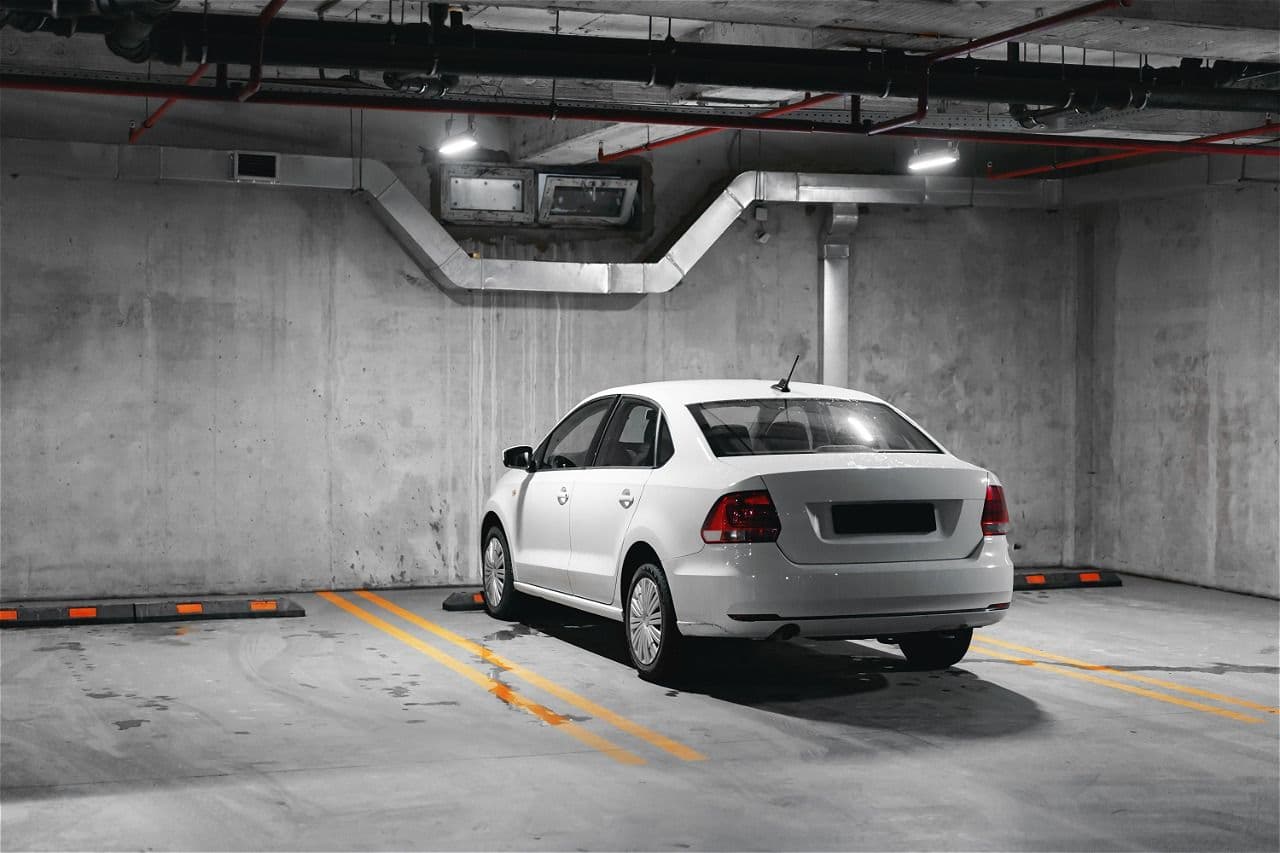
The phenomenon known as a blocked space occurs when the layout of the car park requires one vehicle to be parked directly behind or in front of another, blocking its immediate exit. This architectural solution, widely used to maximise the number of available spaces on smaller plots, carries an inherent potential for daily disagreement among residents. Without a clear operational standard, the owner of the blocked vehicle is left entirely dependent on the neighbour's availability and goodwill to be able to use their own car.
The biggest mistake a condominium management can make regarding this issue is to leave the resolution of blocked-space problems solely to the so-called common sense of those involved. Since common sense is a highly subjective concept that varies according to each individual's routine, stress levels and personality, the absence of binding rules tends to result in situations of extreme frustration. Accounts of residents missing important professional commitments because the neighbour with the blocking vehicle switched off the intercom, refused to come down and move their car, or simply ignored calls from the front desk are surprisingly common in the day-to-day administration of any condominium.
For the blocked-space dynamic to work without causing ongoing wear and tear, it is essential that the condominium treats the situation as a structured operational process. A blocked space cannot be seen as a private problem between two residents, but rather as a physical feature of the car park that affects how the condominium functions as a whole. When the administration adopts this stance of institutional shared responsibility, it becomes feasible to create manoeuvring flowcharts, internal monitoring systems and swift communication channels that shield residents from interpersonal communication failures.
The Legal Nature of Parking Spaces and the Ideal Fraction
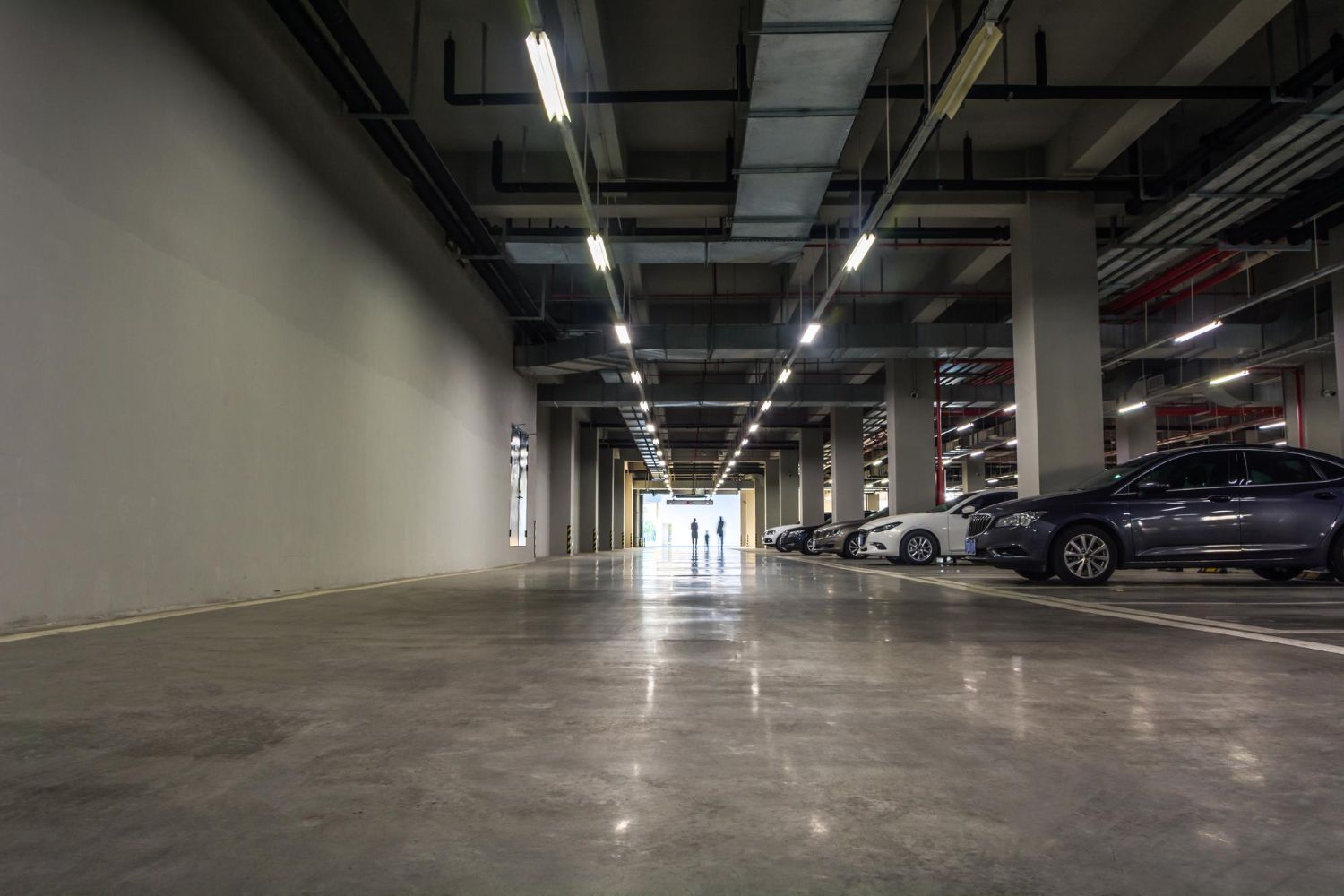
To propose effective solutions, the property manager needs to understand the legal distinction between the different types of parking space within a condominium. Brazilian legislation and property practice categorise these spaces into two main types: spaces linked as independent units and shared-use spaces located in a collective parking area. Each of these types carries distinct legal implications for ownership rights and for the regulatory power the residents' assembly can exercise over the condominium's car park.
In the case of spaces that constitute independent units, each space has its own property registration record at the relevant land registry office. This space is the exclusive private property of the resident, described with its own measurements and boundaries in the property deed. Although this parking space is private property, its use is still subject to the condominium's safety and coexistence limitations. The owner of an independent space cannot, for example, use it for commercial purposes or rent it out to people unconnected with the condominium if there is an express prohibition in the by-laws, as provided for under the Civil Code.
On the other hand, when the car park space is classified as a common area of the condominium, spaces are allocated based on the ideal fraction corresponding to each flat. The ideal fraction represents the proportional share each owner holds of the total land and common areas of the development, calculated from the private floor area of each unit. From this perspective, residents do not own a specific physical space in the car park, but rather the right to use an unspecified space in accordance with collectively established rules. It is under this arrangement that periodic rotation systems and space draws apply with full legal legitimacy, allowing the administration to optimise the car park space democratically.
The Role of the Internal Regulations in Governing the Car Park
The internal regulations are the most appropriate legal instrument for governing day-to-day use of the condominium's car park. While the condominium by-laws set out the structural guidelines and ownership of the areas, the internal regulations govern day-to-day operations, detailing permitted and prohibited conduct in the car park, the applicable penalties and the procedures for resolving disputes involving blocked spaces. To have full legal validity and avoid legal challenges, any change to car park rules approved at an assembly must be duly recorded in the internal regulations.
One of the biggest regulatory shortcomings found in outdated internal regulations is the lack of clear procedures for contacting residents in cases of a blocked space. The document must set out, in detail, how a resident who needs to leave and finds their space blocked by another vehicle should proceed. It is advisable to establish that the first point of contact should be the front desk, which will log the request officially and get in touch with the owner of the blocking vehicle. The regulations should also set out clear administrative penalties, such as warnings and fines, for residents who unjustifiably refuse to free up a blocked space or who switch off the intercom to avoid being disturbed.
Beyond operational traffic rules, the condominium's internal regulations should set out restrictions on the physical use of the car park. It is essential to prohibit the use of spaces as storage for personal belongings, strictly limiting the space to keeping vehicles. Regulating pedestrian traffic on access ramps, the maximum speeds allowed in the car park and the shared use of the space by cars, motorcycles and bicycles must also be precisely regulated to ensure the physical safety of all residents.
Civil Liability: Damage to Other Vehicles in the Car Park
When a collision, a scratch on the bodywork or any other damage occurs to a vehicle parked in the car park, the affected resident's first reaction is usually to demand that the condominium take financial responsibility for the repair. However, under Brazilian law, the condominium is not automatically held liable for material damage caused by third parties in the car park. Attributing fault and the duty to compensate depend on strict rules of subjective civil liability and on the analysis of the clauses set out in the condominium's collective by-laws.
For subjective civil liability, as set out in Article 186 of the Civil Code, to be established, three fundamental elements must be proven: negligent or intentional conduct by the party at fault, the occurrence of material damage, and a causal link directly connecting the action to the loss suffered. In the vast majority of car park damage cases, the damage is caused by another resident's imperfect manoeuvre when trying to park or free up a blocked space. In this scenario, civil liability falls entirely on the individual driving the vehicle that caused the damage, who has a legal obligation to compensate the affected neighbour. The injured party has a limitation period of up to three years to bring a civil claim for damages against the party responsible for the damage in the car park.
The condominium, in turn, only takes on the duty to compensate for vehicle damage occurring in the car park if there is a liability-assumption clause expressly written into and approved in its by-laws. Case law from Brazilian courts, including settled decisions from the Superior Court of Justice (STJ), firmly upholds the validity of clauses that exempt the condominium from liability for theft or damage in common areas, on the grounds that the condominium does not carry out a custody or private security activity comparable to a paid commercial car park. The only exception that can give rise to a duty of compensation on the condominium's part occurs where serious and systematic negligence on the part of the administration in car park security is proven, or where the damage was caused directly by a condominium employee in the course of their duties, such as a contracted valet.
Damage to the Car Park's Physical Structure: Who Is at Fault?

Beyond damage between residents' vehicles, incorrect manoeuvres in the car park frequently result in damage to the condominium's own physical infrastructure. Collisions with support pillars, electronic access gates, suspended water or gas pipework and lighting systems are common occurrences that create risks to collective safety and require expensive emergency repairs in the car park. In such cases, the application of civil liability concepts follows a direct causal line between the driver and the condominium's shared assets.
When a resident, while manoeuvring their car to get free of a blocked space or while driving through the car park's internal lanes, hits any structural element of the condominium, they commit a wrongful act that gives rise to a duty to make good the damage caused to the community. The property manager, as the condominium's legal representative, must act immediately to record the incident and formally notify the resident responsible for the damage, presenting repair quotes and demanding full reimbursement of the amounts spent by the condominium to restore the car park.
If the resident refuses to take financial responsibility for damage caused to the car park's structure, the condominium administration can charge the repair costs directly against the resident's condominium fee, provided this possibility is set out in the internal regulations or approved at a general residents' assembly. To guarantee the condominium's right of recourse beyond dispute, it is highly advisable to equip the car park with functioning CCTV monitoring systems, which record structural collisions and prevent legal disputes based on the offending resident denying the facts.
High-End Car Park Solutions for Luxury Condominiums
In luxury residential developments, residents' expectations regarding comfort, safety and car park efficiency are extremely high. In such places, minor incidents arising from blocked-space manoeuvres or time lost waiting for a parking space to be freed are considered serious management failures. To serve this demanding audience, high-end condominiums invest in structural, service and high-technology solutions that completely eliminate operational friction in the car park.
The most established and efficient solution for managing the car park in luxury condominiums is hiring a specialist outsourced company providing professional valet and parking-attendant services. With this system, residents do not need to worry about carrying out complex manoeuvres or contacting neighbours to free up a blocked space. The resident simply leaves the vehicle in the car park's reception area and hands the keys to the valet team, who take care of positioning the car optimally. If a car positioned in a blocked space needs to be moved, the valet team itself safely relocates the vehicles in its custody. Since the service is outsourced, the contracted company contractually assumes civil liability for any damage that occurs to vehicles during manoeuvres in the car park, freeing the condominium from legal risk.
Practical Organisational Strategies for Simple Condominiums
For small and medium-sized condominiums operating on leaner budgets, implementing valet services in the car park is not financially viable. In these cases, organising the car park and settling blocked-space conflicts must be achieved through strict collective discipline, smart physical signage and very low-cost practical rules, but with a high operational impact on the condominium's car park.
The first step in organising a simple car park is ensuring all spaces are clearly demarcated. Dividing lines should be painted clearly, preferably using reflective paint, and physical space stoppers should be installed on the floor to prevent a vehicle from encroaching on a neighbouring blocked space. The use of convex mirrors positioned strategically at blind bends and the application of rubberised impact protectors on pillars and car park walls drastically reduce the rate of minor collisions and scratches during residents' everyday manoeuvres.
Another highly effective practical measure for simple condominiums is setting up a shared key box for car park keys. This is a locked cabinet, installed in the car park or at the front desk, where residents who share a blocked space are required to leave a copy of their car keys. When a resident needs to leave and finds their space blocked, they themselves, or an authorised front-desk employee, take the key from the box and carry out only the movement strictly necessary to free up the space in the car park, putting the car and the key back in their proper places immediately after the manoeuvre. This system removes the need to call via the intercom and significantly speeds up the flow of residents leaving the car park.
In addition, the condominium administration must be firm in prohibiting clutter from building up in the car park. Car parks cannot be treated as extensions of residential storage; items such as old furniture, toys, tools and building materials must be promptly removed to clear circulation and manoeuvring areas. By keeping car park spaces clean and reserved solely for registered vehicles, the condominium gains useful physical space, fire safety and reduces the chances of minor accidents during blocked-space manoeuvres.
Smart Energy Management with NewSun's Clean Energy Subscription

The efficient operation of a modern car park — encompassing continuous CCTV monitoring systems, high-throughput electronic gates, permanent LED lighting and the growing demand for electric vehicle chargers — places considerable financial pressure on the condominium's shared electricity expenses. To overcome this budgetary challenge and promote sustainability, NewSun's clean energy subscription stands out, as it stabilises the electricity bill for the condominium's common areas, shields the bill against tariff surcharges and drives progressive savings. It also offers genuinely human support and an exclusive platform, the NewSun Energy Club, for tracking energy spend.
By opting for NewSun's clean energy subscription model, the condominium administration decouples its car park lighting and security expenses from the inflationary swings of the traditional energy market. During periods of severe drought, when red tariff surcharges sharply raise the cost per kilowatt-hour charged by local distributors, the condominium with a NewSun clean energy subscription remains protected by stable, predictable rates. This financial protection makes the property manager's annual budget planning easier, freeing up funds that can be redirected towards physical infrastructure improvements in the car park itself, such as resurfacing, line-marking and installing security sensors.
Signing up for NewSun's clean energy subscription service spares the condominium from making large investments in acquiring and installing its own solar panels, eliminating long-term technical maintenance costs on the blocks' rooftops. The progressive financial savings achieved are tracked with full management transparency through the NewSun Energy Club, an intuitive digital platform where the property manager and the condominium council can monitor electricity consumption data for the car park and other common areas. This digitalised monitoring, combined with accessible, approachable human support, allows the condominium to optimise its environmental and financial performance simultaneously and without complication.
Find out How Our Subscription Works.
Conflict Mediation: Practical Tips for Property Managers to Run the Car Park
Mediating disputes involving the car park requires the property manager to maintain absolute impartiality and strict adherence to the condominium's legal and regulatory rules. When problems arising from a blocked space escalate into heated verbal exchanges or mutual accusations between residents, the condominium administration must not take emotional sides, but rather act as a technical agent of social pacification. The property manager's best defence tool against recurring car park conflicts is the formalisation of all complaint processes.
The property manager should instruct residents to log any blocked-space or physical car park damage issue directly through the condominium's official communication channels, such as the digital incident log or in-house app. This formal factual record is essential so that the administration can apply the penalties set out in the internal regulations with legal backing, preventing a fined resident from claiming personal persecution or lack of evidence. Faced with chronic conflicts between specific neighbours who share a blocked space, it falls to the property manager to convene a private conciliation meeting to mediate a scheduling arrangement that suits both residents, recording the agreement in the minutes.
If attempts at amicable mediation fail and the blocking resident continues to obstruct the neighbour's blocked space systematically, intentionally and abusively, the condominium must act with legal firmness. The property manager can issue extrajudicial notices through a registry of deeds and documents office, warning the offender about the violation of the neighbour's right to come and go and the civil and criminal repercussions of their antisocial conduct. The residents' assembly should also be convened to discuss applying aggravated fines for repeated antisocial behaviour, ensuring the condominium's car park remains a place governed by legal order and mutual respect.
You may also like
- Casos de Sucesso
 20/10/2026
 5m
5m - Dicas para Síndicos e PMES16/10/20265m
- Dicas para Síndicos e PMES13/10/20265m




Stop paying more for your energy bill
Find out in less than 1 minute how much you could save with clean energy every month — no works and no bureaucracy.
Join the energy revolution
Subscribe to our newsletter and receive exclusive content