
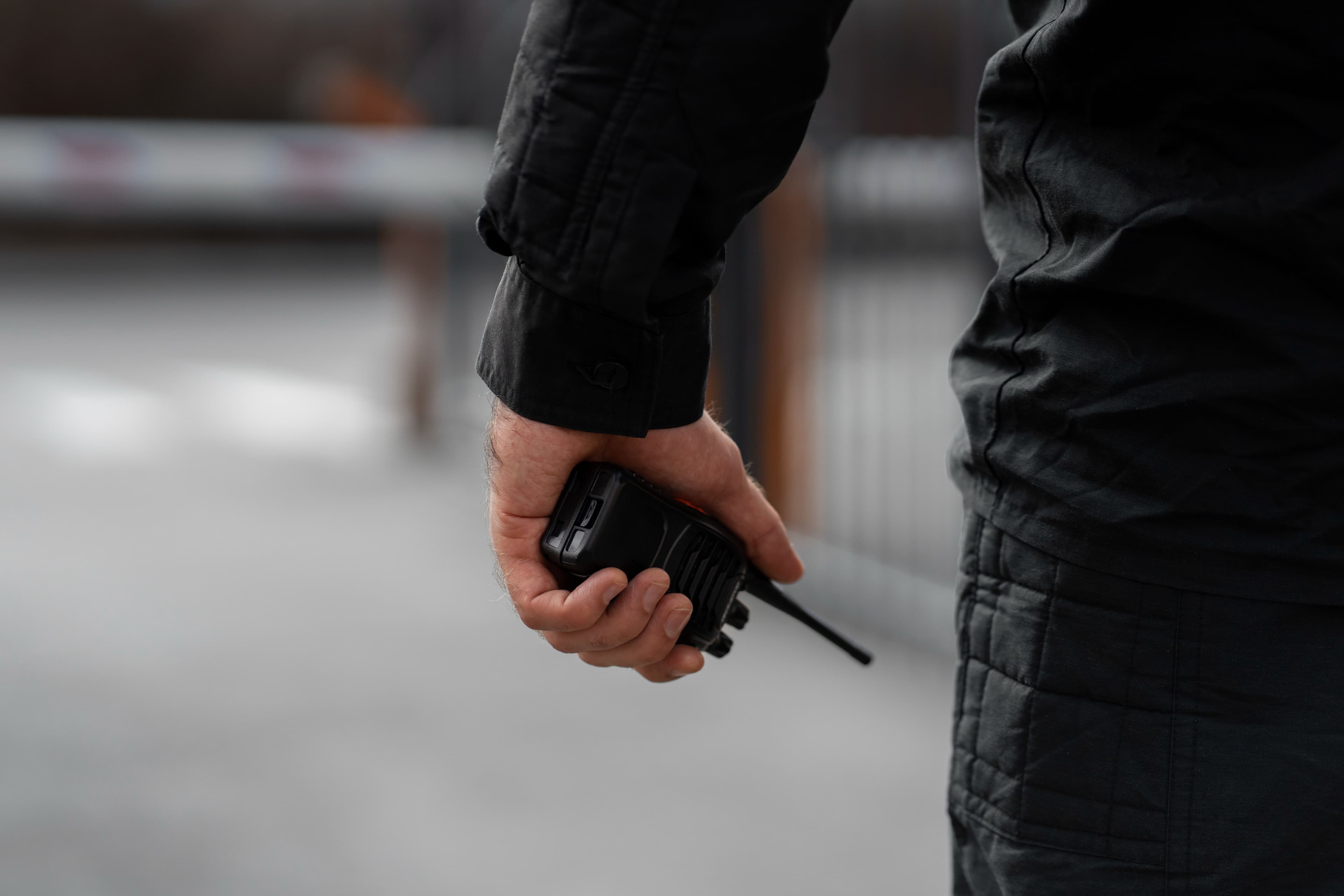
Blind Spots in Condominium Security: Identifying Weaknesses
Blind Spots in Condominium Security: Identifying Weaknesses
Dicas para Síndicos e PMES
 22/06/2026
 5 min
5 minModern management of a residential complex requires the property manager to maintain constant vigilance and technical up-to-date knowledge, particularly regarding the protection of residents and staff. Faced with the growing challenges of urban crime, the pursuit of effective security has become the number one priority at general meetings. However, many residential buildings operate under a false sense of protection, believing that simply hiring doormen or purchasing basic electronic equipment is enough to shield the perimeter. The real danger lies in hidden vulnerabilities, which require a careful investigation to identify weaknesses before they are exploited by ill-intentioned individuals prowling around the property.
The evolution of urban intrusion methods has turned risk management into an ongoing exercise in operational compliance. Today's criminal studies routines, observes staff shift-change times and looks for physical gaps in the building's perimeter structure. When property management fails to actively inspect walls, gates and recording systems, the building is left exposed to unnecessary risks. Investing in protection tools without a clear, preliminary diagnosis of structural weaknesses is a serious management error, one that wastes financial resources and perpetuates gaps in overall security. The property manager must act as a genuine perimeter auditor within the building.
To build a truly impenetrable defensive barrier, the starting point must be a complete and thorough mapping of the entire installed infrastructure. This investigative process serves to identify weaknesses in camera positioning, dark zones and fragilities in the front desk's human procedures. Approaching asset protection with a strategic mindset allows the board of advisors to understand that condominium security is not a static product, but rather a dynamic risk-mitigation process. Eliminating visual and operational gaps demands technical dedication, knowledge of urban regulations and strategic planning geared towards the continuous modernisation of the property.
What are blind spots in residential monitoring?
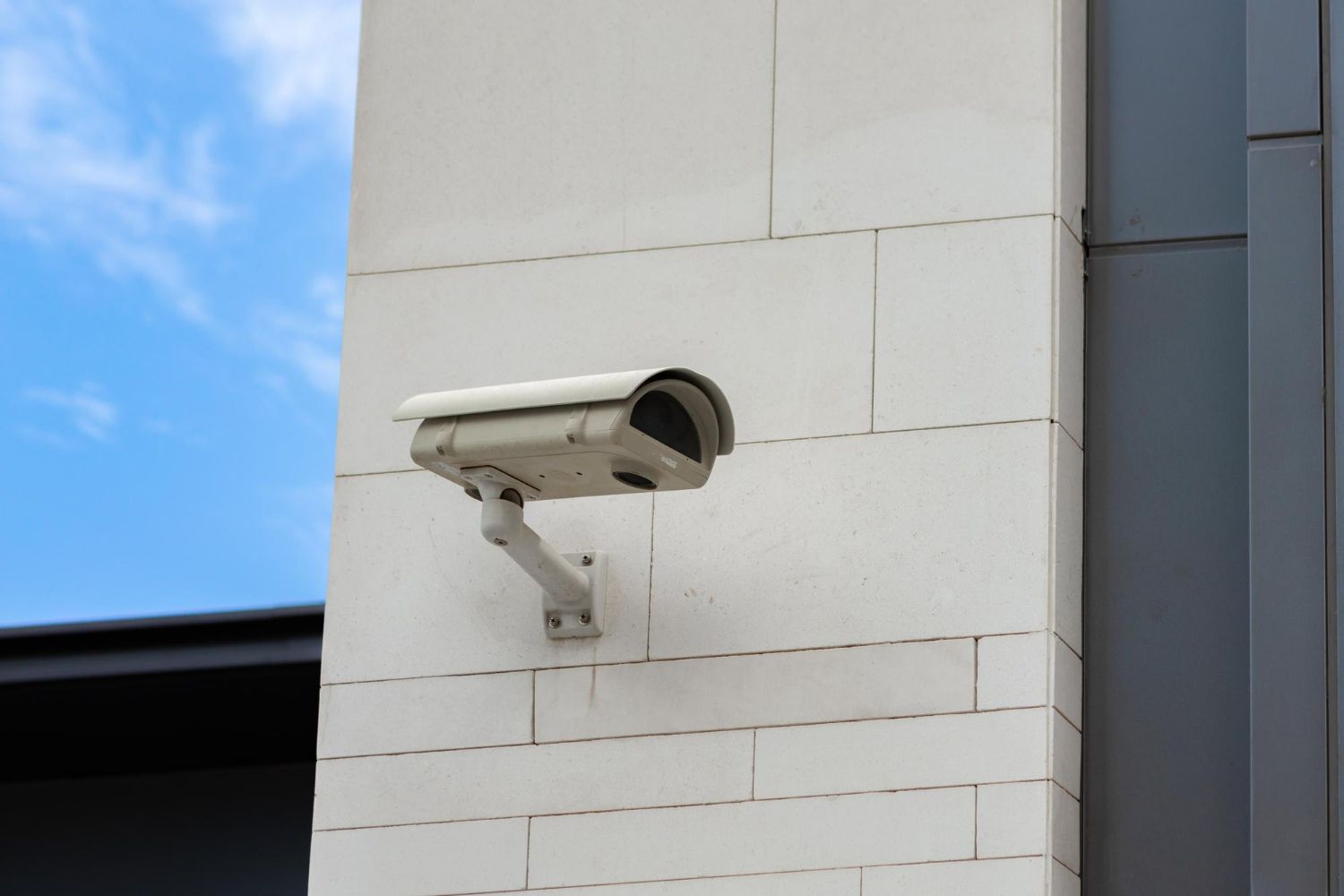
In the technical jargon of electronic protection and property monitoring, the concept of a blind spot refers to any physical space or geographic zone that is not covered by the closed-circuit television (CCTV) cameras' visual range or that falls outside the detection radius of infrared presence sensors. These surveillance gaps seriously compromise security and create invisible routes that make it easier for strangers to gain access without being logged at the front desk. The property manager needs to understand that the existence of a single blind spot nullifies the effectiveness of the entire investment made to identify technological weaknesses.
Blind spots can originate from basic errors made during the design phase of the monitoring project, such as the wrong choice of recording lenses, equipment positioned at incorrect heights, or chronic physical obstruction caused by the unchecked growth of trees and ornamental plants on the property. Often, a camera has excellent digital resolution, but is aimed in such a way that a concrete pillar, a plaster ceiling recess or a garage canopy blocks the operator's line of sight from the gatehouse. To improve security, the caretaking team must carry out constant practical tests to identify viewing-angle weaknesses on the building's screens.
Beyond permanent physical barriers, blind spots can also be seasonal or dynamic, varying according to lighting conditions, time of day or the movement of heavy vehicles in underground car parks. An area that seems perfectly secure during the day can turn into a dangerous blind spot at night if artificial lighting is poor or non-existent. Mapping these environmental shifts is an essential step towards strengthening overall security, requiring the property manager to adopt scientific and practical methods to identify visual shading weaknesses and correct the geographic vulnerabilities across the entire property.
Visual and technical auditing: The first step to identifying weaknesses
Carrying out a detailed visual and technical audit is the most effective tool a building administrator has for assessing the real effectiveness of installed protection and identifying weaknesses before incidents occur. This perimeter diagnosis should not be done in isolation or based on guesswork; it requires a thorough physical patrol at varying times, simulating intrusion routes and testing the mechanical and electronic integrity of every access-control barrier that makes up the property's protective ecosystem. The technical inspection restores rationality and predictability to security management.
During the audit, the property manager, together with the caretaker and an electronic monitoring specialist, should walk the entire external and internal perimeter, examining the boundary walls, the tension of the electric fence wires, the operation of the barrier alarms and the closing speed of the automatic vehicle gates. It is essential to cross-check field observations with the images transmitted in real time to the front desk's control panel, verifying whether the recorded angles match the geographic reality. This integrated check is the safest method for raising security levels and identifying latent weaknesses in the property's operations centre.
To organise the technical inspection process in a structured way and ensure that no vulnerability escapes the oversight committee's attention, building management must rigorously follow these initial perimeter diagnosis steps:
Carry out a full night-time patrol accompanied by the CCTV technician to check image clarity under low light on the property;
Simulate forced-entry attempts on pedestrian gates and access airlocks to test the strength of the magnetic security locks;
Review the archive of older recordings to verify that the digital storage system retains footage for the minimum legal period of thirty days;
Check whether the growth of foliage and branches from neighbouring trees is obstructing the line of sight of the perimeter cameras;
Log all technical and operational non-conformities in a dated photographic report to support future efforts to identify weaknesses.
Critical risk areas: Where vulnerabilities tend to hide
Within the internal geography of a vertical or horizontal collective residence, there are specific sectors that, due to their structural features or low foot traffic, concentrate the highest levels of risk and blind spots, requiring extra attention from the security team. Places such as underground car parks, emergency stairwells, dark recesses along boundary walls, storage rooms and the back of the party hall are critical areas where criminals tend to look for operational gaps to breach the property's perimeter. The property manager focused on identifying weaknesses should begin the technical sweep precisely at these peripheral points.
Residential car parks, especially basement levels far from the main gatehouse, present a complex challenge for the property's integrated monitoring. The chronic presence of concrete support pillars, overhead drainage pipes and the parking of large vehicles, such as vans and utility trucks, creates dozens of dynamic blind spots that compromise security. To mitigate these risks and identify visual coverage weaknesses, management should install wide-angle dome cameras with integrated presence sensors in every row of parking spaces, preventing ill-intentioned individuals from moving about camouflaged between parked cars on the property.
Fire stairs and technical access corridors to plant rooms and pipe shafts are also spots that accumulate dust, stale air and darkness if the caretaking team fails to carry out preventive maintenance on lightbulbs and presence sensors. Being areas of restricted traffic, they become ideal routes for intruders who manage to bypass the main front desk. Ensuring these locations have fire doors properly locked from the outside and monitored by magnetic-opening sensors raises security standards, allowing management to identify internal intrusion weaknesses quickly and accurately in any residential block. To optimise perimeter control, the following critical areas should receive special attention:
Car park basements and vehicle access ramps that accumulate concrete columns and shaded areas on the property;
Emergency stairwells and escape routes that remain isolated from the daily flow of residents, reducing organic surveillance;
Recesses along boundary walls adjoining vacant lots or dark public squares that border the property's perimeter;
Central bin areas, tool storage rooms and pump rooms that require constant access by outside contractors on the property;
Pedestrian airlocks and goods delivery gates where human procedural failures put overall security at risk.
The fundamental role of lighting in eliminating surveillance gaps
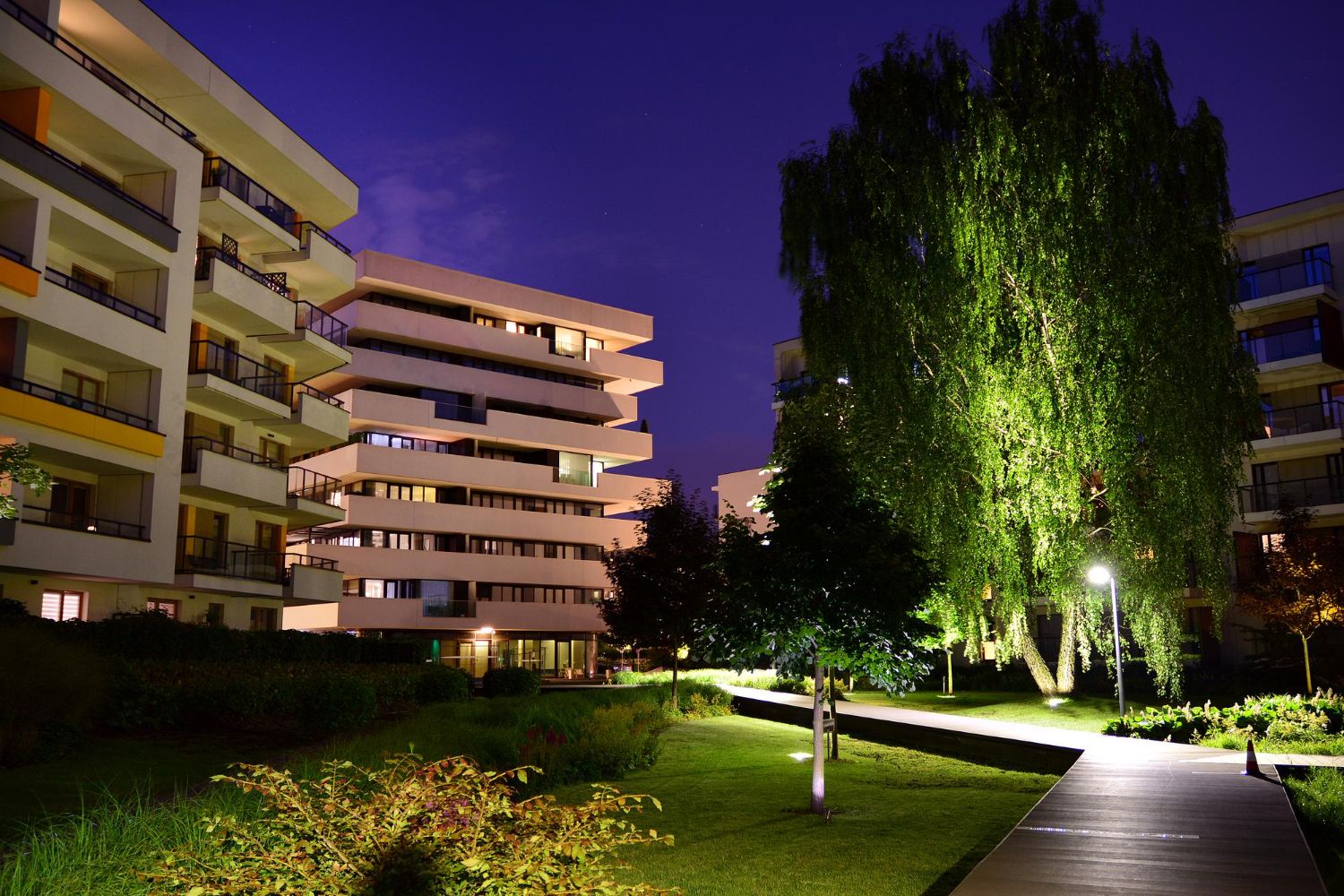
There is a direct, inseparable and indissoluble technical link between the quality of the artificial lighting system in common areas and the real effectiveness of all the electronic equipment that guarantees perimeter security. The property manager must understand that even the best digital camera on the market, equipped with high resolution and modern sensors, becomes practically useless if installed in a dark or poorly lit zone at night. Darkness is crime's greatest ally and the main generator of the most dangerous blind spots that management must tackle in order to identify weaknesses on the property.
Effective perimeter lighting acts as an active psychological deterrent barrier, discouraging vandalism and intrusion attempts before the individual even touches the property's walls. External pavements, garage gates, gatehouses and recesses around residential blocks should be fitted with powerful LED floodlights with integrated photocell presence sensors. Keeping these areas well lit eliminates the shaded zones that camouflage suspicious movement, allowing doormen to exercise oversight with total visual clarity and identify behavioural weaknesses at shared access points, strengthening overall security.
Beyond its visual benefit for the front desk's human team, adequate lighting boosts the performance of the analytical video intelligence algorithms built into modern digital recorders on the property. Cameras equipped with motion-detection or number-plate-reading software require minimum light levels (luminous intensity) to operate accurately and avoid false perimeter alarm triggers. Investing in perimeter lighting upgrades keeps night-time monitoring failures at bay and gives the entire physical infrastructure that makes up the property's collective assets a look of modernity, order and high security.
Team training: The human factor in preventing improper access
Cutting-edge technology, including facial biometrics, automated enclosures, active barrier sensors and powerful electrified fences, loses all its effectiveness if the human team of staff fails to rigorously follow access-control operational protocols. The human factor remains the most sensitive link in the chain of asset protection for any collective residential building. The property manager focused on identifying structural weaknesses must dedicate resources and time to promoting the ongoing training and professional refresher courses for doormen, caretakers, security guards and cleaning staff.
Many break-ins recorded in major cities occur through social engineering techniques, where the criminal poses as an app delivery courier, an internet service provider or even an authorised visitor in order to deceive an inattentive doorman. When staff break the airlock rule, opening both gates simultaneously out of haste or complacency, the building's security is severely compromised. Conducting procedural audits and testing the team's reaction to simulated crises helps management identify behavioural weaknesses and correct dangerous habits embedded in the property's daily routine.
Team training should focus on instilling a corporate culture of healthy professional wariness and attention to operational details at the gatehouse. Staff should be instructed to immediately report any malfunction in video recorders, burnt-out perimeter lighting or mechanical failures in electromagnetic locks, acting as the property manager's eyes on the ground. To structure a human training programme focused on preventing improper access and raising collective protection standards, building management should base its instructions on the following educational pillars of security:
Mandatory compliance with the pedestrian airlock protocol, always keeping one gate locked while the other carries out screening;
Rigorous identification and documentary checking of all delivery couriers and service providers before allowing entry to the property;
Strict prohibition on storing residents' personal belongings or spare flat keys inside the security gatehouse;
Practical training on the correct operation of panic buttons and direct communication systems with local police forces;
A clear operational routine for logging technical monitoring incidents and actively helping to identify weaknesses on the ground.
How to draw up a strategic action plan to remedy risks
After completing the visual and technical perimeter audit, with the detailed photographic report in hand pinpointing all the building's geographic and operational gaps, the property manager should draw up a strategic action plan to remedy the risks catalogued. There is no point simply gathering data and identifying weaknesses if property management fails to set out a clear, financially viable and executable schedule of engineering fixes. The action plan is the document that turns the technical diagnosis into real solutions that restore security across the property.
The first step in drawing up the action plan is prioritising the risks found during the perimeter audit phase. Critical-level vulnerabilities, such as automatic gates with slow closing that make tailgating easier, malfunctioning electronic locks at the main airlocks or total blind spots at access gatehouses, must receive immediate attention and urgent correction from the administration's budget. Moderate-level or aesthetic weaknesses can be scheduled for medium-term execution, spreading out ordinary operating costs and protecting the property's general reserve fund while structural security is improved.
The action plan should include detailed budgets obtained through careful commercial quotes from reputable engineering firms registered with CREA, setting definite delivery deadlines for each stage of the planned physical or electronic modernisation. Presenting this structured strategic plan at board meetings gives the property manager's administration informational transparency, showing that the measures taken to identify weaknesses aim solely and exclusively to protect lives and enhance the collective assets of all the unit owners who make up the community.
NewSun Energy: Clean energy subscription and budget predictability

While the building's management team focuses its operational efforts on mapping physical vulnerabilities, training gatehouse staff and drawing up strategic action plans to identify perimeter weaknesses and eliminate blind spots in car parks, building administration also needs to look at the financial efficiency of its common areas. High-security environments require the uninterrupted operation of complex electromechanical and electronic systems running twenty-four hours a day, including high-capacity digital video recorders, dozens of analytical cameras, infrared presence sensors and powerful LED floodlights providing continuous lighting around the walls. All of this security infrastructure consumes a massive amount of electricity, representing one of the heaviest fixed expenses the property manager faces when closing the monthly accounts. To optimise these fixed costs with full sustainability, NewSun Energy Group presents a revolutionary clean energy subscription model designed specifically for today's condominium market.
The clean energy subscription provided by NewSun works as a modern solution that stabilises the building's common-area electricity bill, comfortably absorbing the impact of the electricity consumption required by security systems and floodlights. By joining this innovative renewable-matrix subscription model, the property starts consuming clean electricity generated from sustainable sources, guaranteeing direct discounts on its traditional energy bill in a completely hassle-free way, with no need for upfront investment in works or the installation of costly solar panels on the building's premises. The major strategic advantage of this smart solution is that it fully shields the building's bill against the harsh impact of tariff-flag fluctuations — whether yellow or red — during dry periods, delivering progressive savings throughout the contract.
In addition to the real, guaranteed financial savings obtained through the sustainable subscription, NewSun Energy Group stands out in the national market for offering genuinely human, close, agile service focused on making the day-to-day management of property managers and administrators easier. The property also gains exclusive access to the NewSun Energy Club digital platform, a cutting-edge tool designed for detailed, transparent, real-time tracking of the building's entire energy spend and consumption. Through NewSun Energy Club, the manager monitors electricity indicators at the palm of their hand, combining digital innovation with sustainability to optimise ordinary budget resources, facilitating ongoing investment in preventive camera maintenance, physical enclosure upgrades and new, effective strategies to identify perimeter weaknesses without blowing the property's budget.
Find out everything about our Clean Energy Subscription.
Technological integration: Combining cameras, sensors and access control
One of the most common planning mistakes identified in residential asset audits is exclusive reliance on a single protection subsystem to guarantee the integrity of the perimeter. Many property managers believe that installing dozens of digital recording cameras solves all of the building's physical vulnerability problems. From the technical standpoint of risk engineering, genuine protective effectiveness and the ability to identify operational weaknesses rest on the concept of mixed technological integration, where multiple electronic devices operate in full data synergy to reinforce the property's security.
Technological integration means making the CCTV system work directly connected to the active infrared barrier sensors installed along the perimeter walls, to the gate-opening alarms and to the property's modern biometric access-control software. When a barrier sensor detects an attempt to physically breach the wall, it sends an immediate electrical pulse to the control centre, which automatically directs the nearest camera to focus on that specific quadrant, triggering a flashing red visual alert on the front desk operator's screen, boosting security and enabling weaknesses to be identified in record time.
By adopting this integrated mixed electronic protection architecture, the residential building reduces its reliance on the doorman's continuous attention, who cannot monitor dozens of screens simultaneously without suffering chronic visual fatigue. The automated system starts acting as an intelligent filter that alerts the operator only in the face of genuine physical risk events or attempts to bypass the main front desk. To modernise the perimeter infrastructure and ensure the success of technological integration, building administration should assess the implementation of the following complementary electronic monitoring devices:
Active infrared barrier sensors installed in a line along the top of the property's walls and perimeter fences;
AI-powered analytical video software for automatic number-plate reading and facial recognition at the front desk;
Sustained-alert alarms that trigger warnings at the gatehouse if a garage gate stays open for more than thirty seconds;
Electromagnetic locks integrated with interlocking systems to automatically lock pedestrian airlocks;
Digital access controllers that generate real-time entry and exit reports for internal security audits of the property.
The importance of legal compliance and privacy in collective security
The legitimate and urgent pursuit of electronic infrastructure improvements, elimination of blind spots in car parks and investment in perimeter security runs into important regulatory barriers that property managers must respect in order to avoid serious legal liabilities for the building. The right to collective asset protection frequently collides with the constitutional right to privacy, to personal intimacy and to the protection of personal data of residents, visitors and staff who move through the property's premises on a daily basis. Management focused on identifying weaknesses must operate under the mantle of legal compliance.
The installation of new monitoring cameras to cover residential blind spots must strictly comply with the requirements of the General Data Protection Law (LGPD), which regulates the processing, storage and access to digital images captured in private or public environments. The property must display information signs warning that the area is being filmed solely for asset protection purposes, and access to recordings stored on internal servers must be restricted to the property manager and the head of security, with the sharing of footage on residents' instant messaging groups strictly prohibited, as this would constitute a serious civil offence, undermining the property's compliance standing.
Another sensitive point of legal compliance concerns the physical orientation of the recording lenses of cameras installed on the building's boundary walls. Perimeter cameras must focus solely and exclusively on public pavements, garage gates and internal structures belonging to the residential building's common assets. Aiming a CCTV lens so that it captures the windows, back gardens or private areas of neighbouring third-party homes constitutes a chronic violation of others' right to privacy, exposing the property manager to lawsuits for moral damages and requiring the immediate removal of the monitoring equipment. Acting with legal intelligence protects the property from lawsuits while raising internal security to help identify weaknesses.
Proactive management for social peace and asset protection
Successfully completing the implementation of a perimeter diagnosis and blind-spot elimination programme in common areas marks a definitive milestone of administrative maturity, civil responsibility and intelligent governance led by the current property manager. Addressing the challenges of asset protection with the necessary rigour and transparency shows that resolving urban vulnerability issues requires a perfect balance between investment in mixed integrated electronic technology, ongoing training of front-desk staff and strict compliance with current national legislation, restoring security across the whole property.
By harmonising the practicality of physical perimeter auditing routines with the financial intelligence of adopting innovative tariff-efficiency solutions for common-area electricity bills — such as the revolutionary clean energy subscription model provided by NewSun Energy Group and tracked in real time through the NewSun Energy Club analytics platform — the condominium manager builds sustainable, high-performing administration, freeing up valuable resources from the ordinary budget for ongoing investment in modernising airlocks, preventive gate maintenance and new technical inspections focused on identifying weaknesses around the property's perimeter.
Taking on the role of proactive leader in this technological transformation of gatehouses and car parks leaves a lasting legacy of asset appreciation, social peace and community tranquillity that will directly benefit every resident family. Enjoying communal areas fully covered by intelligent electronic monitoring systems, free of dangerous blind spots and protected against improper access by strangers, knowing that finances are shielded against abusive tariff flags through the sustainable energy subscription, is the ideal scenario for a prosperous, law-abiding community life, perfectly protected against risks in every season of the year within the property.
You may also like
- Casos de Sucesso
 20/10/2026
 5m
5m - Dicas para Síndicos e PMES16/10/20265m
- Dicas para Síndicos e PMES13/10/20265m




Stop paying more for your energy bill
Find out in less than 1 minute how much you could save with clean energy every month — no works and no bureaucracy.
Join the energy revolution
Subscribe to our newsletter and receive exclusive content