
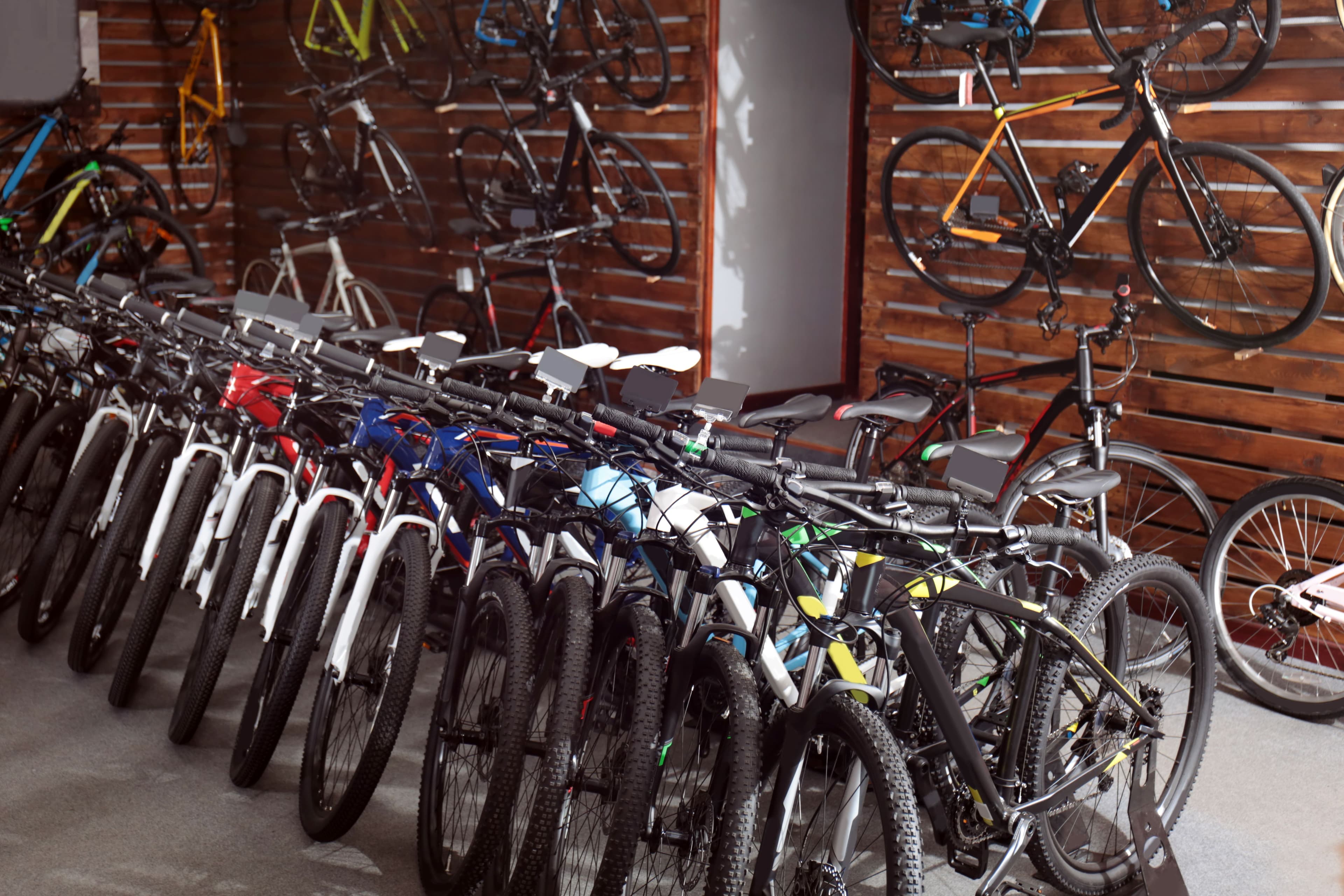
Bicycle storage in condominiums: how to install and manage it
Bicycle storage in condominiums: how to install and manage it
Dicas para Síndicos e PMES
 22/04/2026
 5 min
5 minThe phenomenon of urban micromobility has radically transformed the landscape of major Brazilian cities in recent years. What was once seen merely as a weekend leisure item has now become established as a viable, economical and sustainable alternative for daily transport. For property managers, this shift in paradigm has brought significant structural and administrative challenges. The demand for an organised and secure bicycle storage area has stopped being a luxury feature and become a basic necessity in condominiums of all sizes.
Installing an efficient bicycle storage area requires the property manager to act with a strategic vision, balancing the optimisation of often limited space with the need to offer residents both physical and legal security.
The micromobility landscape and pressure on common areas
The evolution of urban transport towards cleaner modes is a worldwide trend that has found fertile ground in Brazil due to chaotic traffic and the rising cost of fossil fuels. Many condominium residents choose bicycles to avoid traffic jams, improve their physical health and reduce their carbon footprint. However, the physical structure of many buildings, especially older ones, was not designed to accommodate a significant volume of two-wheeled vehicles.
This infrastructural gap often generates conflicts in daily life. Without a suitable bicycle storage area, it is common to see bicycles left in inappropriate places, such as corridors, entrance halls, emergency stairwells or even chained to garden railings. Besides compromising the aesthetics of the development, this practice poses a real safety risk in the event of an emergency evacuation and can lead to deterioration of the condominium's common areas. Therefore, the decision to install a dedicated space is a matter of administrative organisation and care for the collective asset.
Legal aspects and current regulations for bicycle storage areas
Brazilian legislation has been keeping pace with the need to foster active mobility. In the city of São Paulo, for example, Decree No. 53,942/2013, which regulates Law No. 15,649/2012, requires that new residential and commercial condominiums, as well as those undergoing significant renovations, set aside up to 10% of their parking spaces for bicycle storage. This regulation amended the Municipality's Building Code and set out technical parameters that serve as a reference for the whole country.
The legal requirements for implementing bicycle storage in condominiums include specific accessibility and sizing guidelines. The law determines that storage areas must be easily accessible, preferably located on the level closest to the street or pavement, so residents do not need to carry their bicycle up flights of stairs or in lifts intended for residents. Below are the key technical requirements for the property manager to install the structure in line with best practice:
The minimum dimensions for each space should be 1.80 metres in length, with a ceiling height of no less than 2 metres, ensuring that bicycles of different models can be accommodated without difficulty.
It is mandatory to install supports or racks that allow the bicycle to be securely locked, keeping a minimum distance of 75 centimetres between each unit to prevent damage and make handling easier.
The flooring of the bicycle storage area must be level and made of a non-slip material, preventing accidents as residents and bicycles move around.
The area should have adequate lighting and, where possible, natural or mechanical ventilation to prevent moisture build-up, which can corrode the metal components of the bicycles and the supports themselves.
Visual signage is essential, indicating entry and exit routes as well as basic rules of use and the speed limits permitted within the condominium's common areas.
Strategic planning for installing the bicycle storage area

The first step for a property manager wishing to install a bicycle storage area in a condominium is identifying the actual demand. Carrying out an internal survey or a bicycle census is essential to size the space needed and avoid the investment being underused or, conversely, becoming insufficient in a short space of time. This planning should take into account not only the current number of cyclists, but also the potential growth of cycling among residents once a secure area is provided.
Choosing the ideal location for the infrastructure often involves competing for space in garages, which are highly valued areas. However, creative solutions can be adopted. Disused basement areas, underused plant rooms or even dead corners of car parks can be transformed into a functional bicycle storage area. What matters is that the chosen location does not hinder pedestrian flow or vehicle manoeuvring, maintaining the condominium's operational harmony.
In regions with harsh climates, such as coastal areas, technical planning needs to be even more rigorous. Corrosion caused by sea spray can destroy low-quality supports within a few months. In such cases, it is recommended to use carbon steel structures with hot-dip galvanising treatment, or aluminium and stainless steel supports. Although the initial cost is higher, the reduction in future maintenance expenses justifies the investment for the condominium.
Types of supports and optimising the available area
There are various support models available on the market, and choosing the wrong one can compromise the efficiency of the bicycle storage area. The most common models, and those that make the best use of space in condominiums, are vertical wall hooks. They allow the bicycle to be hung by its front wheel, occupying a narrow strip of wall. Estimates indicate that it is possible to install up to 10 hooks within a span of just 2 metres, which is ideal for locations with limited floor space.
For locations with more floor space available, ground-standing supports, known as bicycle stands or "inverted U" racks, offer greater stability and ease of use, especially for children and older people who may find it difficult to lift a bicycle. These supports allow the cyclist to lock the bicycle frame directly to the structure, which is safer than models that only secure the wheel, as these can bend the rim if the bicycle is knocked from the side.
An innovative solution that has been gaining ground in high-end condominiums is double-height bicycle storage or sliding racks. These systems allow bicycles to be stacked in an organised way using mechanical rails, doubling storage capacity within the same floor space. Regardless of the model, it is crucial to standardise the supports to maintain visual order and ensure that all residents have the same storage conditions for their equipment.
Below are the main types of supports for installation in condominiums:
Vertical wall supports (hooks): Maximum space efficiency, allowing a high density of bicycles in linear areas.
Ground-standing bicycle stands: Greater protection for the frame and ease of use for all types of users.
Double-height racks: Ideal for projects requiring very high density in spaces with a high ceiling.
Pulley-suspended supports: Used in private garages or specific areas where the ceiling is the only surface available.
Sliding rails: Allow bicycles to be moved sideways, making individual access easier in compact rows.
The approval process at general meetings and legal security
Creating or renovating a bicycle storage area in a condominium must be approved by the co-owners at a general meeting. The quorum required for this decision depends on the nature of the intervention. If installing the bicycle storage area is considered a useful improvement that does not change the purpose of a common area, approval by a simple majority of those present is usually sufficient. However, if it is necessary to change the purpose of an area (such as converting part of a garden or a shared parking space into a bicycle storage area), the quorum required by law is two-thirds of all co-owners.
The property manager's legal security when installing the bicycle storage area also depends on clarity in the drafting of the meeting minutes and on updating the internal regulations. It is essential to record that the condominium provides the space for residents' convenience, but that responsibility for safekeeping and individual security devices (padlocks) lies with each owner. Brazilian case law tends to exempt the condominium from liability for bicycle theft in common areas, unless the building maintains armed security specifically for that location or the regulations expressly assume a duty of custody.
To mitigate the risk of legal disputes and conflicts, it is recommended that the property manager install 24-hour camera monitoring focused exclusively on the bicycle storage area. Recorded footage, combined with strict access control — such as the use of keys at reception or biometric access —, creates a layer of protection that deters criminal activity and provides peace of mind for cyclists and the condominium administration.
Rules for everyday use and management of the bicycle storage area

A bicycle storage area without clear rules quickly turns into a dumping ground for old items and a source of disputes. The property manager should establish specific regulations, approved at a general meeting, setting out the rules for circulation and coexistence. One of the most important rules is the requirement for identification: each bicycle must have a sticker or tag showing the flat number and block. This allows the administration to quickly identify the owner in the event of irregularities or emergencies.
Access control is another pillar of efficient management. In many condominiums, the bicycle storage area remains locked, and residents must request the key from reception, signing a log book with entry and exit times. More modern systems use individual access tags that automatically record movement history in the condominium's management software. This transparency in the use of the space deters unauthorised use and makes it easier to mediate disputes between residents.
In addition, it is necessary to prohibit the storage of other items in the area. It is common to find skateboards, surfboards, car tyres and paint cans inside the bicycle storage area, which harms the hygiene and appearance of the space. The focus should remain strictly on micromobility. Regular awareness campaigns, sent via app or posted on noticeboards, help reinforce a culture of order and respect for the shared space.
How to deal with abandoned bicycles in the condominium
The build-up of abandoned bicycles is one of the biggest operational problems faced by property managers. Equipment left unused for years gathers dust, creates pockets of dirt and takes up spaces that could be used by active residents. However, the property manager cannot simply dispose of these items without following strict legal procedure, at the risk of being liable for misappropriation or property damage.
The correct legal procedure for dealing with abandoned bicycles in condominiums should follow these key steps:
Carrying out a census or mandatory re-registration of all bicycles in the storage area, asking owners to update their information within a set deadline (usually 30 days).
Identifying the remaining units that were not re-registered and attaching warning seals to the bicycles themselves, alerting owners of the need to come forward.
Sending formal notice to residents through a public notice and, where possible, by registered letter with acknowledgement of receipt for units that did not respond to the census, granting a final deadline of 30 days for collection of the item.
Legal classification as an "abandoned item" (res derelicta) after the deadline has passed with no response from the owner, allowing the condominium to take possession of the item.
Final disposal approved at a general meeting, which may include donation to charitable institutions or an internal auction to raise funds for improvements to the bicycle storage area itself.
This procedure, protects the property manager and ensures the condominium acts within the law, promoting the turnover needed to keep the bicycle storage area a useful and hygienic space for everyone.
NewSun Energy: savings and sustainability for your condominium
Modernising common areas, including efficient lighting for the bicycle storage area and the installation of security cameras, consumes electricity continuously. For property managers seeking to optimise the budget and promote genuinely sustainable management, NewSun Energy Group offers an innovative clean energy subscription solution. By adopting this model, the condominium starts using energy generated by solar farms, which stabilises the common areas' electricity bill and protects collective finances against sharp fluctuations in tariff bands.
The NewSun subscription requires no building work, rooftop panel installations or investment from the condominium, eliminating any technical bureaucracy. The main benefit is progressive savings on the electricity bill, generated by the automatic application of clean energy credits. Furthermore, NewSun stands out for its genuinely human customer service, supporting the property manager at every stage of the energy transition process.
To make managing this easier, the condominium has access to the exclusive NewSun Energy Club platform. Through this digital tool, the property manager and the board can track energy usage, applied credits and accumulated savings in real time, ensuring full transparency in accounting. Combining the efficiency of a modern bicycle storage area with the savings from solar energy by subscription is the definitive step towards turning the development into a model of urban sustainability.
Find out about our Solutions for Condominiums.
Space for tricycles, scooters and children's vehicles
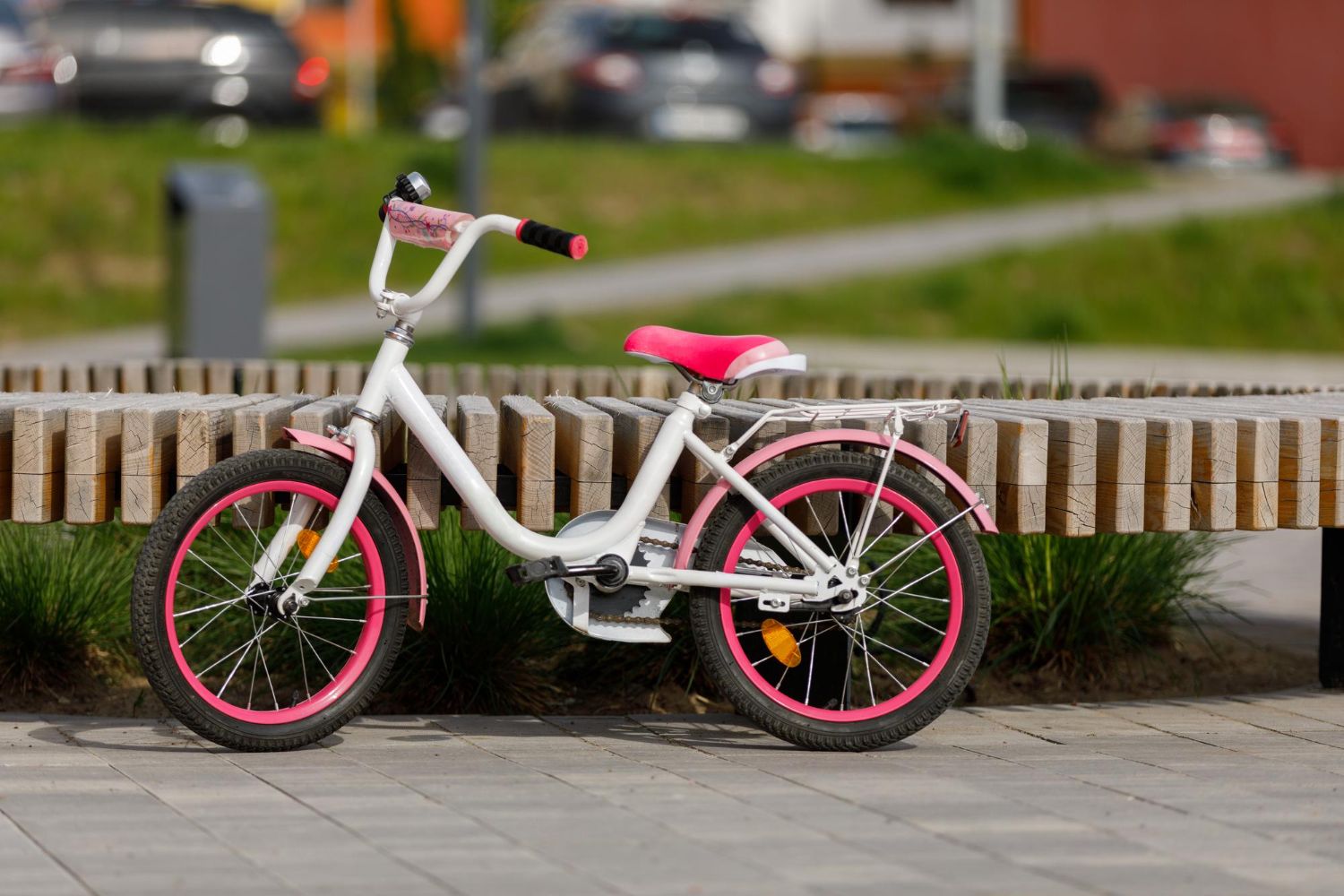
The diversity of modes in the bicycle storage area requires the property manager to plan space for "related vehicles". There is growing demand for spaces for electric scooters and children's vehicles, such as tricycles and the popular "tico-ticos". If no designated area is provided, these items end up scattered around the garagem, creating disorder and tripping hazards.
Ideally, the property manager should set aside a specific, clearly marked floor area for vehicles that cannot be hung on conventional hooks. In the case of children's tricycles, which have wider frames (reaching up to 112 cm in height and considerable weight), ground-level storage is the safest and most practical option for parents. It is important that the regulations specify that these spaces are intended exclusively for items in frequent use, preventing the bicycle storage area from becoming a "dumping ground" for broken toys.
For electric scooters, the challenge is twofold: space and power. As many models are foldable, the property manager can install individual lockers with internal power sockets for charging, ensuring that residents pay for their own energy consumption if the condominium does not have an individual metering system. This arrangement avoids disputes over the use of the building's "common electricity" and ensures that micromobility is inclusive for all ages and types of vehicles.
Safety and infrastructure for electric bicycles
Electric bicycles are now an established reality, but they bring specific technical challenges, particularly around fire safety. Charging lithium batteries requires robust electrical infrastructure and compliance with technical standards such as NBR 17019, which covers electric vehicle charging. The property manager should instruct residents to never charge their bicycles at communal sockets without prior authorisation, as this can overload the building's electrical system.
To safely install charging points in the bicycle storage area, the condominium should seek support from an electrical engineer to assess network capacity. Each charging point should ideally have individual circuit breakers and protection devices against power surges (SPDs) and electric shocks (RCDs). In addition, the charging area should be equipped with suitable fire extinguishers and camera monitoring to detect any sign of battery overheating.
Managing these bicycles also involves circulation rules. Due to their greater weight and ability to reach higher speeds (up to 50 km/h in some models), electric bicycles should not be ridden in leisure areas or playgrounds where children are present. The property manager should establish dedicated entry and exit routes, ensuring the physical safety of all residents and the preservation of the condominium's internal areas.
Preventive maintenance and the longevity of the bicycle storage area
Regular maintenance of the bicycle storage area in condominiums is essential to prevent the space from losing value and to ensure hygiene. The property manager should set up a cleaning schedule that includes washing the floor and removing dust from the structures. In addition, a six-monthly visual inspection of the supports is necessary to identify signs of rust or loose bolts, especially in wall-mounted models bearing heavy loads.
Below is a basic maintenance checklist for the bicycle storage area that the property manager should follow:
Checking the physical integrity of all hooks and racks, re-tightening fixings on the wall or floor.
Lubricating access gates and electronic locks to prevent jamming and excessive noise.
Reviewing the lighting system, replacing burnt-out bulbs and cleaning motion sensors to ensure night-time safety.
Thoroughly cleaning the floor with degreasing products to remove chain oil and tyre residue.
Visually auditing identification tags to detect bicycles that may have been abandoned or belong to residents who have since moved out.
By keeping the bicycle storage area in perfect condition, the property manager not only extends the working life of the equipment, but also encourages residents to look after their own bicycles, raising the standard of organisation throughout the condominium.
A forward-looking vision for condominium management
Managing a bicycle storage area in condominiums requires a balanced combination of administrative rigour, legal compliance and a humanised approach to collective living. The property manager who decides to install and organise this space is investing directly in residents' quality of life and in the longevity of the property asset. In a world of constant change, facilitating micromobility demonstrates that the condominium is aligned with contemporary demands for health and sustainability.
By tackling the challenge of dealing with abandoned bicycles through ethical procedures and making room for the diversity of children's and electric vehicles, condominium management reduces friction and fosters a culture of mutual respect. In addition, adopting clean energy solutions, such as the NewSun Energy Group subscription, reinforces the development's image as a forward-thinking asset, capable of combining financial savings with environmental responsibility through the NewSun Energy Club.
Therefore, the bicycle storage area should not be seen merely as a place for storage, but as a hub of smart mobility within the condominium. With proper planning, maintenance and well-founded rules of use, the property manager turns a potential point of conflict into one of the building's greatest assets for added value and social harmony, paving the way for a more efficient and integrated urban life in 2026 and beyond.
You may also like
- Casos de Sucesso
 20/10/2026
 5m
5m - Dicas para Síndicos e PMES16/10/20265m
- Dicas para Síndicos e PMES13/10/20265m





Stop paying more for your energy bill
Find out in less than 1 minute how much you could save with clean energy every month — no works and no bureaucracy.
Join the energy revolution
Subscribe to our newsletter and receive exclusive content