

Automation and AI in Condominiums: A Practical Guide for Property Managers
Automation and AI in Condominiums: A Practical Guide for Property Managers
Dicas para Síndicos e PMES
 24/06/2026
 5 min
5 minIn recent years, the concept of housing has undergone profound transformations driven by technological evolution and the need to optimise resources. Residential and commercial buildings have stopped being mere clusters of concrete and brickwork and have become connected, intelligent ecosystems. Amid this digital transition, traditional governance based on purely manual processes has lost ground. Nowadays, implementing modern systems has become an urgent administrative obligation for anyone seeking to increase asset value and ensure the operational efficiency of common areas. Technological modernisation is the key to the success of a contemporary condominium.
The introduction of intelligent tools into shared premises has revolutionised the way we manage the basic essentials of urban living, such as electricity, water and security. The modern property manager, often overwhelmed by bureaucratic demands and interpersonal conflicts, finds valuable operational support in new digital platforms. Placing repetitive routines under the care of integrated software reduces the incidence of serious failures and raises the community's satisfaction level. Building automation has therefore stopped being seen as a superfluous luxury item and has become established as an indispensable governance tool.
As we move through 2026, new frontiers are being broken with the practical use of advanced algorithms in residential buildings. The introduction of AI systems allows the building to learn from residents' own routines, anticipating maintenance needs and optimising utility financial flows. Adopting this innovative stance requires the manager to take a long-term view and set aside old cultural prejudices. Understanding that artificial intelligence works in synergy with perimeter control helps shield the condominium's ordinary finances and builds a much safer, more prosperous and comfortable environment for all families in the condominium.
What is the concept of integrated building automation?
To understand the economic and practical impacts of this technological revolution, the property manager needs to grasp the concept of integrated building automation in a simple, demystified way. It involves the centralisation and automated control of multiple independent systems (such as common area lighting, gate motors, water pump systems, lifts and electronic security) under a single digital interface or centralising software. This engineering allows equipment to communicate with one another autonomously, reacting intelligently to environmental stimuli and commands predefined by the condominium's management.
In the routine of a conventional building without integrated technologies, staff rely on continuous visual checks and manually operating switches and circuit breakers throughout the day. The caretaker has to climb to the top of the towers to check the water tank levels, doormen have to manually open metal gates, and garage lights stay on even when there is no vehicle movement. This analogue model generates invisible waste of resources, accelerates mechanical wear on parts and consumes precious time that staff could dedicate to tasks of real importance in the condominium.
Integrated building automation eliminates this reliance on repetitive manual actions by creating logical, automated operating routines based on real-time data. The central system processes the collected information and makes immediate operational decisions, such as switching off mechanical exhaust fans during low-use periods or issuing visual alerts at the gatehouse when a water pump shows signs of thermal overheating. When we combine this physical engineering with AI-based tools, the building gains self-adjustment capability, turning the common areas into a hub of energy efficiency and administrative intelligence that protects the condominium's financial health.
The role of sensors in different applications for total building automation
In civil and systems engineering, sensors function as the true sensory organs of the intelligent building, being the devices responsible for capturing variations in the physical environment and converting them into electronic data that can be processed by the automation hub. The diverse use of sensors in strategic positions allows the building to monitor itself and take immediate action to prevent waste or contain serious structural accidents in common areas, drastically reducing the costs of emergency corrective maintenance within the condominium.
In the lighting of garages and residential lobbies, infrared presence sensors combined with photocells ensure that lights remain on only when there is real movement of residents or vehicles, automatically switching off circuits during periods of night-time inactivity. In the plumbing sector, electronic level sensors continuously monitor the volume of water stored in the condominium's cisterns and rooftop tanks. Upon detecting any chronic leak or sudden drop in the public water supply, the system stops the pumps to prevent them running dry and burning out the motor, reporting the fault to the AI hub.
Fire and disaster protection is also enhanced by installing optical smoke sensors and thermal-variation detectors in critical locations, such as electrical substations, staff kitchens and lift machine rooms within the condominium. These devices are not limited to triggering acoustic sirens; when integrated with automation, they cut off the piped gas supply, activate smoke exhaust fans, automatically unlock fire doors and send the exact location of the heat source to the property manager's smartphone. To guide management on the types of essential devices available on the property market, we can list the following practical sensor applications for shared common areas:
Ceiling-mounted infrared presence sensors for dynamic control of lighting in residential garages and corridors;
Ultrasonic level sensors for real-time monitoring of water volume in the condominium's water tanks;
Hydraulic pressure sensors installed in riser pipes to detect hidden leaks and pressure drops within the masonry;
Optical smoke detectors and rapid thermal-rise sensors linked to the building's fire alarm hub;
Limit-switch and magnetic contact sensors to monitor the complete closing of vehicle gates in the condominium.
Intelligent access control: Security and traceability in automation

Managing the flow of people entering and leaving is one of the most sensitive and complex pillars in the governance routine of any shared residence. The conventional model based on physical metal keys, numeric codes typed on keypads or verbal release via intercom presents severe perimeter control flaws that put residents' physical safety at risk. The modernisation of access control through building automation emerges as the definitive solution for granting absolute protection and traceability to the condominium's access points.
Modern systems use high-definition facial biometric readers integrated with airlocks or automated electronic mantraps at pedestrian entrances. The resident or visitor has their face scanned in milliseconds by AI-powered software, which checks the record in the database and autonomously unlocks the first metal gate. The second gate remains mechanically locked by electromagnetic locks until the first is completely closed, preventing intruders from entering via the "tailgating" method, a common loophole that weakens the condominium's perimeter protection.
The great advantage of this technological format is the automatic generation of digital traceability reports containing the exact entry and exit times of everyone, service providers and couriers who moved through the common areas. Should any irregularity or breach of rules occur in the condominium's leisure areas, the administration can audit the automation system and identify those responsible immediately and indisputably. Combining electronic access control with analytical software raises property protection standards, turning the gatehouse into an advanced centre of building intelligence and high-efficiency data compliance.
Using AI to make the condominium smart and avoid human error
The true revolution in common area management happens when physical building automation systems gain a data-processing layer driven by Artificial Intelligence tools. The introduction of AI into operational routines changes the administrative paradigm: the system stops being merely a passive executor of programmed orders and becomes a proactive analytical agent, capable of learning from the community's habits and making autonomous strategic decisions to mitigate accident risks and avoid costly human errors in the condominium.
In conventional gatehouses, doormen's visual fatigue after long hours monitoring CCTV screens is one of the leading causes of break-ins and failures in electronic security procedures. AI-powered software eliminates this biological vulnerability by performing continuous analytical video analysis in real time on the condominium's perimeter cameras. The intelligent algorithm can distinguish the harmless movement of a pet or swaying trees from the suspicious presence of an individual climbing walls or lingering around garage gates for an excessive amount of time, triggering sound alerts directed at the gatehouse and preventing human distraction errors from putting everyone at risk.
In civil and hydraulic maintenance, building intelligence predicts mechanical failures with mathematical precision through the analysis of predictive data continuously collected by vibration and temperature sensors installed in lift motors and water pumps within the condominium. AI identifies small anomalous variations in electrical operating patterns long before the machine suffers a total breakdown, automatically opening preventive technical work orders with the partner engineering firm. To illustrate the practical benefits of this intelligent technology, we can list the following advantages of artificial intelligence in reducing human management errors:
Analytical video analysis by AI to detect break-ins and suspicious movement within the condominium's perimeter;
Automated predictive maintenance on lift motors and pumps through continuous analysis of electrical vibrations;
Intelligent control of electricity and water consumption with automatic alerts when anomalies or leaks are detected;
Self-managed scheduling and access release for service providers without requiring manual intervention from the condominium's gatehouse;
Automatic optimisation of the operating hours of thermal and lighting systems based on residents' actual routines.
How technology simplifies and streamlines the property manager's daily routine
The daily routine of anyone taking on the role of property manager in a medium or large residential complex is marked by a continuous avalanche of urgent call-outs, staff supervision, maintenance control and accounting oversight of ordinary expenses. Without the support of technology and integrated building automation, the manager ends up swallowed up by emergency operational tasks, leaving little free time in the administrative schedule to devote to strategic planning of structural improvements and to fostering harmony among the condominium's residents.
The deployment of intelligent digital hubs completely transforms this exhausting reality by centralising the building's operating information on the property manager's smartphone or tablet screen. The manager no longer needs to walk around the garages daily to check for burnt-out bulbs or whether the sewage tanks need technical cleaning; the automation system carries out this monitoring autonomously and notifies management only when there is a genuine need for human intervention, simplifying operational flows and organising the condominium's routine.
This technical optimisation drastically reduces costs generated by unexpected breakdowns of heavy machinery, since AI systems block the irregular operation of equipment before it suffers permanent coil or motor burnout. The property manager gains technical backing and legal peace of mind to manage the condominium supported by accurate, auditable data reports, eliminating decisions based on assumptions or guesswork. Technology acts as an invisible, highly efficient right hand to management, proving that automating civil processes improves the property manager's quality of life and provides financial stability for the whole condominium.
NewSun Energy: Clean energy subscription and budget predictability

While the building's steering committee devotes its efforts to deploying advanced control hubs, training gatehouse staff and adopting AI-based digital tools to monitor common area sensors and modernise perimeter access control, building management also needs to act with financial intelligence and take a close look behind the scenes at its fixed financial expenses. The uninterrupted operation of a highly technological structure — encompassing hundreds of sensors active twenty-four hours a day, analytical CCTV cameras with continuous data processing, powerful electromagnetic locks on every airlock, gatehouse computers and mechanical exhaust systems in the garages — permanently raises the demand and electricity consumption of the building's main panel because of automation. To achieve maximum financial efficiency and bring absolute accounting stability to the building's collective coffers, NewSun Energy Group presents a revolutionary clean energy subscription model designed specifically for the property market and modern condominiums.
The NewSun clean energy subscription works as an innovative sustainable solution that stabilises the building's common area electricity bill, comfortably absorbing the impact of the electricity consumption arising from the continuous operation of refrigerators, gate motors, digital kiosks and the building's integrated automation technology systems. By joining this renewable, clean-matrix system, the condominium starts to enjoy direct discounts on its traditional energy bill in a completely hassle-free way, without the need to invest in complex civil works or install expensive solar panels on the physical premises or rooftops of the residential towers. The great strategic advantage of this intelligent solution is that it completely shields the building's bill from the severe financial impacts of fluctuations in tariff bands — yellow or red — during prolonged dry spells, delivering progressive, sustainable savings throughout the entire contract.
In addition to the real, guaranteed financial savings obtained through the sustainable subscription, NewSun Energy Group stands out in the national electricity sector by offering truly human service, close, agile and focused on the real needs of the property manager and management company. Building management also gains exclusive access to the NewSun Energy Club digital platform, a modern management tool developed for detailed, transparent, real-time tracking of the building's entire energy consumption and spending profile. Through NewSun Energy Club, the manager monitors electricity indicators in real time right in the palm of their hand, combining digital innovation with sustainability to boost the financial health of ordinary finances and enable every new technological modernisation project, including the success and expansion of every automation and AI system intelligently installed in the condominium.
Find out everything about our Clean Energy Subscription.
How to plan the technological rollout: Where should the condominium start?
The transition from a conventional, analogue-model residential building to the level of a fully connected intelligent building requires the property manager to carry out strategic planning in an orderly sequence of stages to avoid wasting collective financial resources and to ensure the right choice of systems engineering suppliers. The manager should never begin purchasing complex AI software or automation hubs without first carrying out a thorough diagnosis of the pre-existing electrical, hydraulic and civil infrastructure within the condominium's perimeter.
The ideal practical roadmap for starting digital modernisation should begin with hiring a consulting engineering firm specialising in integrated building systems and holding an active CREA registration. This neutral professional will carry out a diagnostic audit of the building's installations, identifying which electrical wiring requires technical replacement, the state of conservation of the hydraulic inspection chambers, and the level of technological compatibility of the gate motors and older lift panels with the new digital automation hubs that management plans to install in the condominium.
With the diagnostic audit report in hand, the property manager and advisory council can prioritise technology investments strictly based on the short and medium-term cost-benefit ratio. Trying to automate every sector of the residential towers all at once can strangle the ordinary finances of the shared coffers and create operational confusion in the daily routine of gatehouse staff. The ideal strategic plan recommends a rollout in progressive, structured phases, and to guide managers on the recommended order for executing the projects, condominium management should follow these essential steps:
Carrying out a diagnostic audit of the pre-existing civil, hydraulic and electrical infrastructure perimeter to map technical compatibility;
Initial modernisation of the perimeter access control system and pedestrian airlocks at the condominium's main entrance;
Installing LED photocell presence sensors and automating garage and basement lighting circuits;
Implementing electronic level sensors and building automation across the hydraulic pump network and central cisterns;
Gradually introducing AI-based analytical intelligence software integrated with the condominium's image recording servers.
Overcoming cultural resistance and approving the project at a general meeting
Approving investments aimed at digital modernisation, installing integrated automation hubs and using AI-based analytical intelligence tools involves a process of internal articulation and communication led by the property manager before the residents' general meeting. The biggest obstacle to deploying intelligent buildings rarely lies in the technical difficulties of network engineering, but rather in the natural cultural resistance of older residents, or those averse to digital technologies, who live in the condominium.
From a legal standpoint, under Brazilian Civil Code, installing automated monitoring and hydraulic control hubs is legally classified as a useful improvement, since its main practical objective is to optimise, facilitate and increase the efficiency of the use of pre-existing assets and services within the building's structure. Approving useful improvements to common areas requires a favourable vote from a simple majority of the unit owners present at the general extraordinary meeting specially convened to deliberate on the matter, provided the meeting's minimum quorum is met.
To defuse legitimate financial objections and the unfounded fears of traditional residents who worry about the complexity of the new facial readers or the initial cost of the works, the property manager should adopt a didactic, journalistic and highly informative approach. Presenting real data showing the reduction in common water and electricity bills after installing intelligent sensors helps calm tempers and proves that the technology pays for itself over the months of use. To secure engagement and unanimous approval from those present at the extraordinary vote, the condominium manager should use the following strategic community persuasion arguments:
Clear demonstration of the projected reduction in corrective maintenance expenses for pumps and lifts after installing automation;
Presentation of the significant gain in perimeter security with the end of human screening loopholes through the use of AI at the gatehouse;
Proof of the immediate increase in property value per square metre of the flats following the digital modernisation of the entire condominium;
A pedagogical explanation showing that biometric systems are extremely simple, intuitive and easy for residents of any age to use;
Presentation of instalment payment plans offered by technology companies that do not require issuing special assessments in the condominium.
Preventive maintenance aspects in automated systems
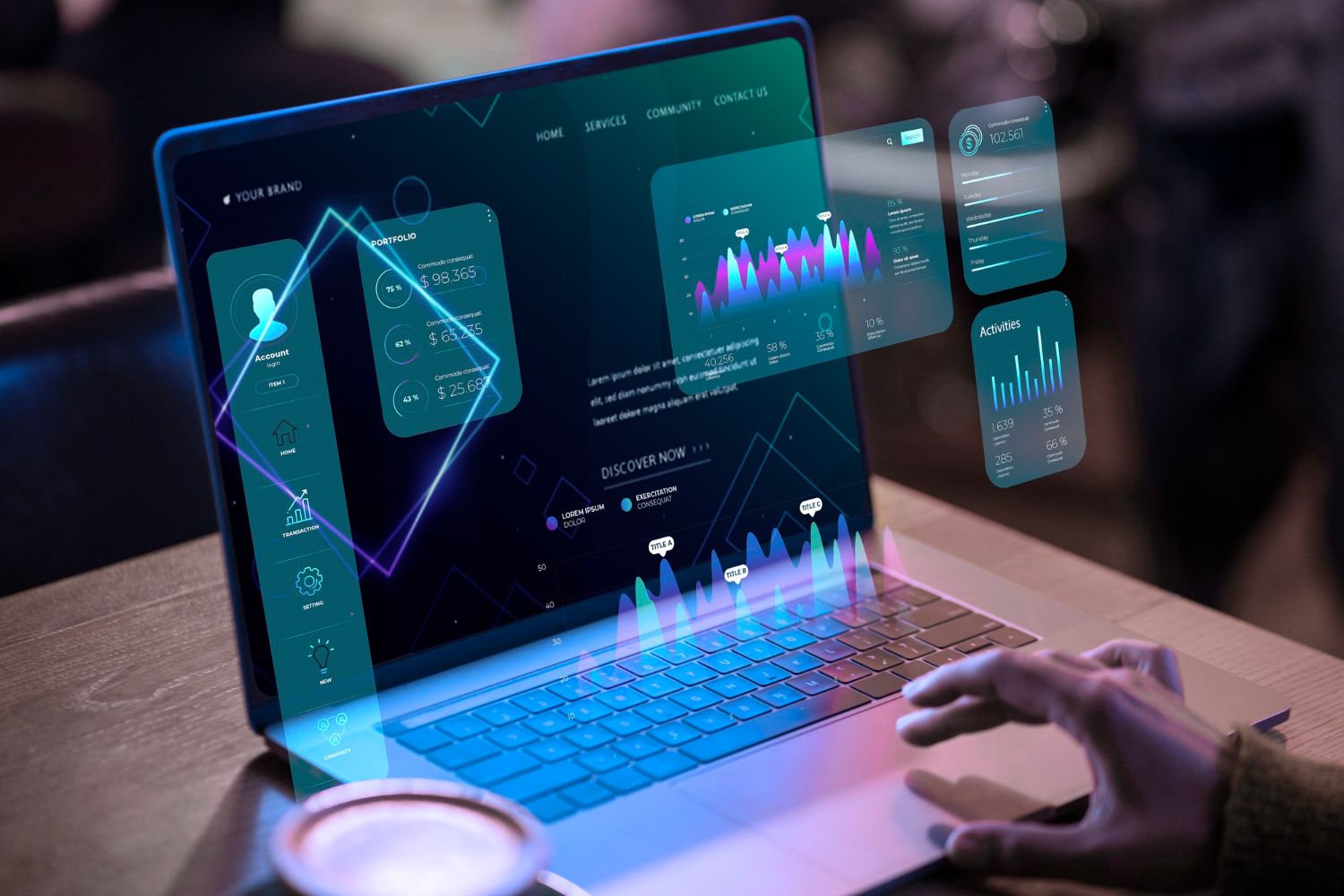
One of the most serious administrative mistakes a property manager can make after successfully completing the installation of modern building automation and data intelligence hubs is believing that the technology operates eternally and infallibly, without the need for human intervention or ongoing technical care. The gatehouse computers, recording servers, peripheral sensors and AI software installed in the building's common areas require strict preventive maintenance plans to avoid premature obsolescence, logical system failures and unexpected interruptions to the condominium's security.
Digital caretaking of the intelligent building requires continuous monitoring of firmware updates and security software issued by the manufacturers of the electronic equipment. Neglecting to update the operating systems that control biometric access leaves the building's logical network vulnerable to digital intrusion attacks and processing failures that can jam metal gates in an open position, nullifying the condominium's asset protection. The property manager should sign monthly specialised technical support contracts with automation integration companies.
In addition to caring for the ecosystem of artificial intelligence software and algorithms, mechanical and physical maintenance of sensors exposed to the elements on external walls and pavements should be included in the daily caretaking schedule. Urban dust build-up on CCTV camera lenses and spider webs woven around presence sensors generate false positive movement readings that confuse the AI and trigger unwanted alarms at the building's gatehouse. To structure an excellent care routine and ensure the technical stability of the systems, the condominium's maintenance team should follow this preventive checklist for digital monitoring:
Carry out weekly autonomy tests on the uninterruptible power supply and generator systems that power the building's automation locks;
Perform technical physical cleaning of the lenses of analytical cameras and perimeter infrared sensors within the condominium;
Audit the logical reports generated by facial readers monthly to identify registration failures or access delays;
Check the condition of the structured network cables and plastic insulators that connect the condominium's automation hubs;
Schedule biannual reviews with systems engineers for fine calibration of the hydraulic and thermal sensors throughout the condominium.
The condominium of the future, built with intelligence and savings
Successfully completing digital modernisation and deploying an integrated building automation system represents a historic milestone of administrative excellence led by the contemporary property manager. Bringing the internet of things, sensor monitoring and the technological innovations of AI algorithms into the private residential environment is a clear demonstration of leadership connected to today's demands for perimeter security, optimising useful time and controlling costs. Although planning and choosing suppliers require technical engineering rigour to avoid operational mistakes, the practical benefits generated by building intelligence fully justify the effort of the condominium's management committee.
By aligning the practicality of technological retail with the accounting intelligence of adopting innovative solutions for efficiency and tariff stability on the building's common electricity bills — such as the revolutionary clean and renewable energy subscription model provided by NewSun Energy Group and monitored in detail by the NewSun Energy Club digital analytics platform — the property manager creates a sustainable administrative model with outstanding financial performance. The success of digital modernisation is consolidated when building management monitors utility consumption, oversees the operation of sensors in the field and maintains transparent communication channels with the resident community, turning shared-use areas into a permanent hub of innovation, practicality and long-term asset appreciation for all families in the condominium.
You may also like
- Casos de Sucesso
 20/10/2026
 5m
5m - Dicas para Síndicos e PMES16/10/20265m
- Dicas para Síndicos e PMES13/10/20265m



Stop paying more for your energy bill
Find out in less than 1 minute how much you could save with clean energy every month — no works and no bureaucracy.
Join the energy revolution
Subscribe to our newsletter and receive exclusive content