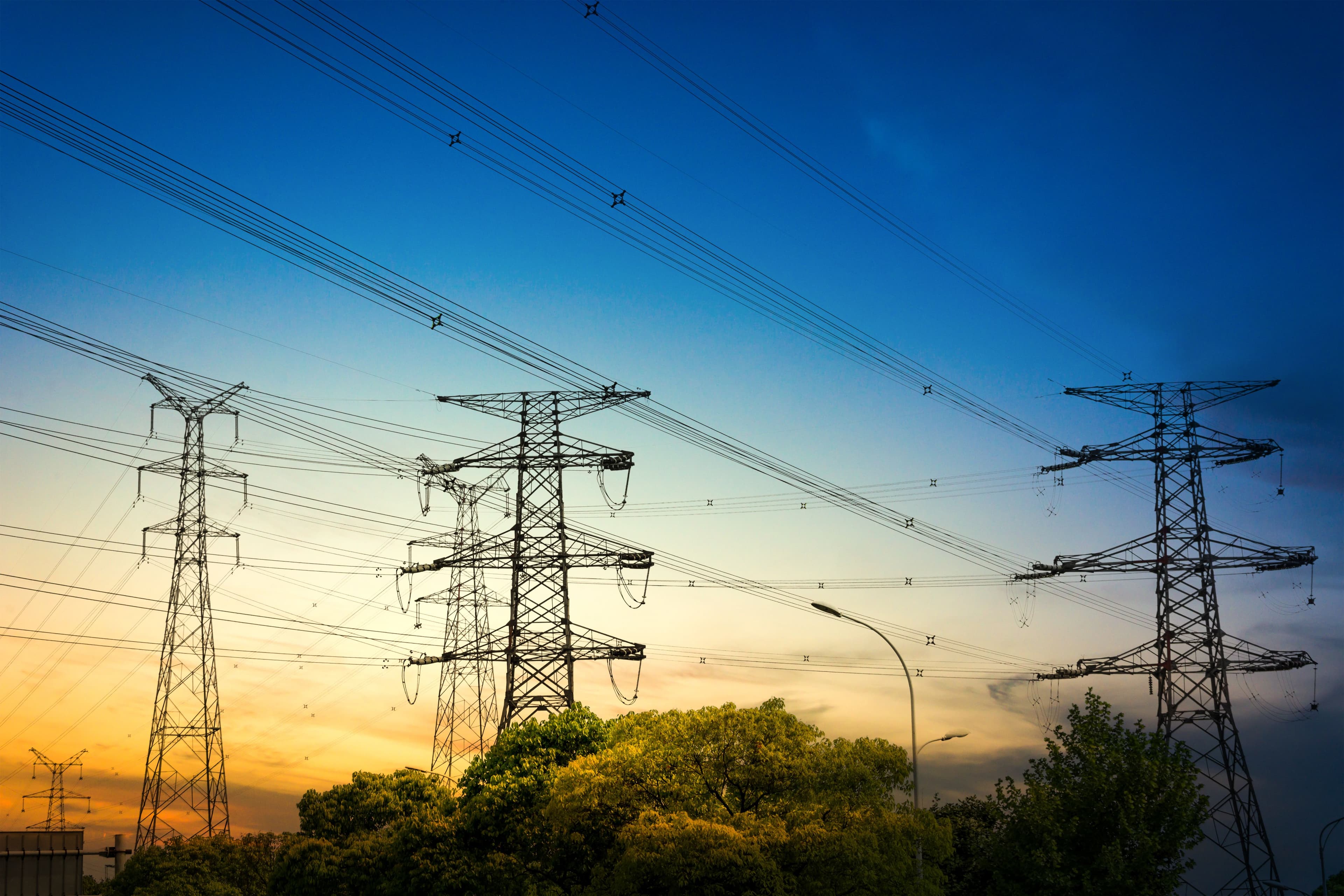
ANEEL proposes new rules to adapt the electricity grid to the advance of solar generation
ANEEL proposes new rules to adapt the electricity grid to the advance of solar generation
Energia por Assinatura
 10/09/2026
 5 min
5 minThe National Electric Energy Agency (ANEEL) approved on Tuesday (8) the opening of a public consultation to discuss new rules for the monitoring, operation and control of distributed energy resources connected to distribution networks. The proposal comes amid the rapid transformation of the Brazilian electricity system, driven mainly by the expansion of distributed solar generation, but also by the arrival of batteries and the advance of electric vehicles.
The discussion involves approximately 70,000 installations already connected to distributors, totalling more than 33 GW of installed capacity. The group includes around 68,000 mini-generation installations and approximately 1,500 plants classified as Type III, while microgeneration systems, such as small residential solar systems, would remain outside the proposed new requirements.
Why does the grid need to change?
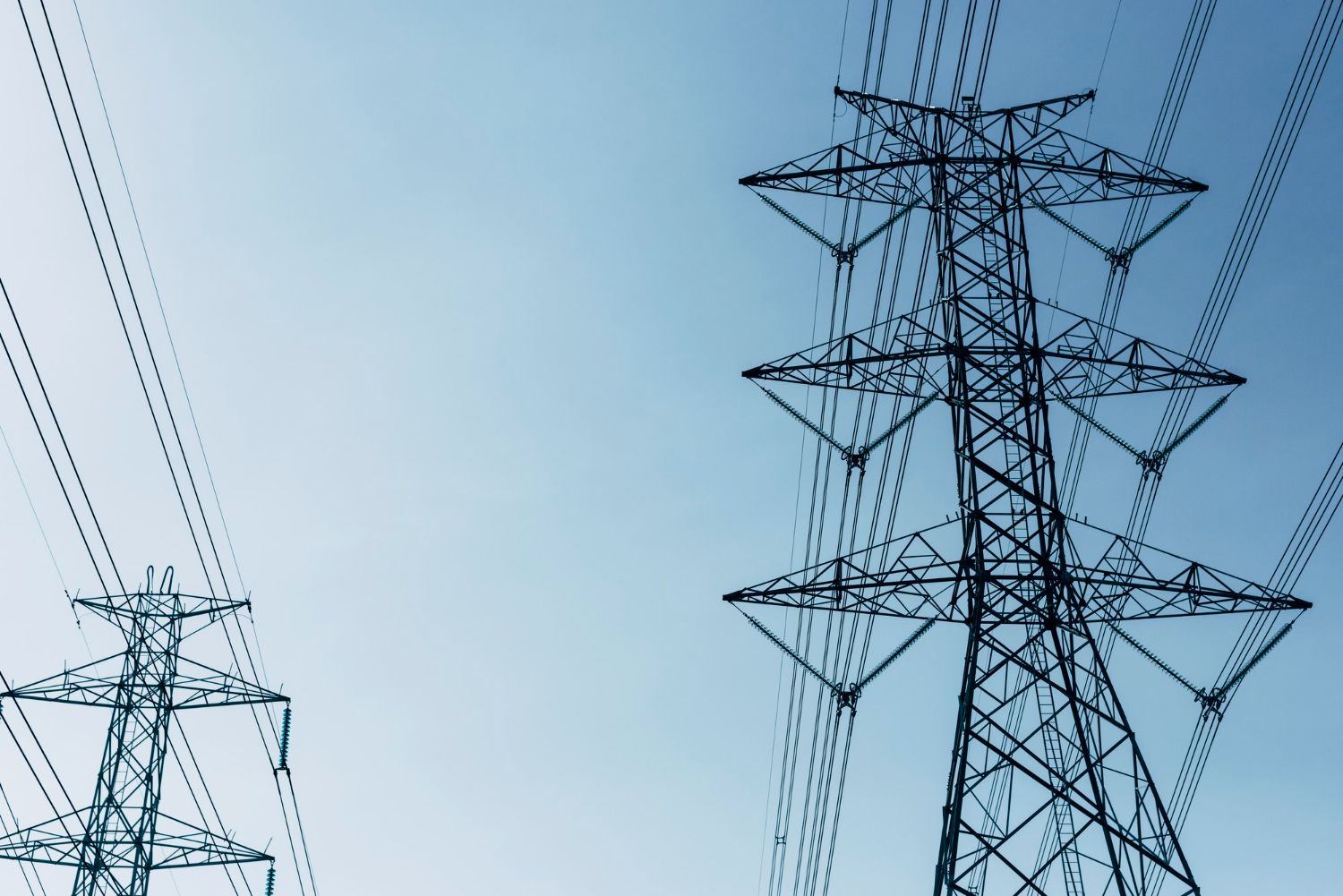
The traditional electricity system model was built largely on the basis of an energy flow that starts at large power plants and reaches consumers. The expansion of distributed generation has made this flow more complex: new producers, other than concessionaires, also begin to produce energy, store it and, in certain cases, return it to the grid.
This change creates new operational challenges. During periods of high solar generation and low demand, for example, there may be excess energy available on the grid. At the end of the day, when photovoltaic generation decreases and consumption increases, the opposite movement occurs, requiring other sources or flexible resources to respond quickly to demand. The National Electricity System Operator (ONS) itself has been highlighting the need to expand monitoring, planning and flexibility capacity in light of the growth of distributed solar generation.
It is in this context that ANEEL’s proposal provides that new resources should be prepared for remote operation and assesses the application of similar requirements to some of the assets already connected. The idea is to increase the observability, operability, controllability and interoperability of these resources, allowing distributors to have the information and tools needed to manage more complex situations.
What could this mean for the energy sector?
One of the potential benefits of the proposal is to increase the capacity to integrate renewable sources into the grid without compromising operational security. Solar generation is variable by nature: its output depends on the availability of light and may fall rapidly at the end of the day or during changes in weather conditions.
In this scenario, batteries and other flexible resources can play a complementary role. Storage systems can absorb energy at times of higher supply and make it available later, helping to balance generation and consumption. ANEEL has already been making progress on the regulation of storage and on the preparation of the country’s first large-scale battery auctions.
Electric vehicles are also part of this transformation. In addition to representing a new category of demand, they can, in more advanced integration models, take part in load management and storage strategies. ANEEL itself has been studying the relationship between electric mobility, batteries and system operation as part of the sector’s modernisation.
For consumers, a better-prepared grid may mean greater reliability, better use of existing infrastructure and more favourable conditions for the expansion of new energy technologies. The regulation, however, is still under discussion, and the concrete effects will depend on the rules that are ultimately approved.
Distributed energy and new rules: why predictability also matters for consumers
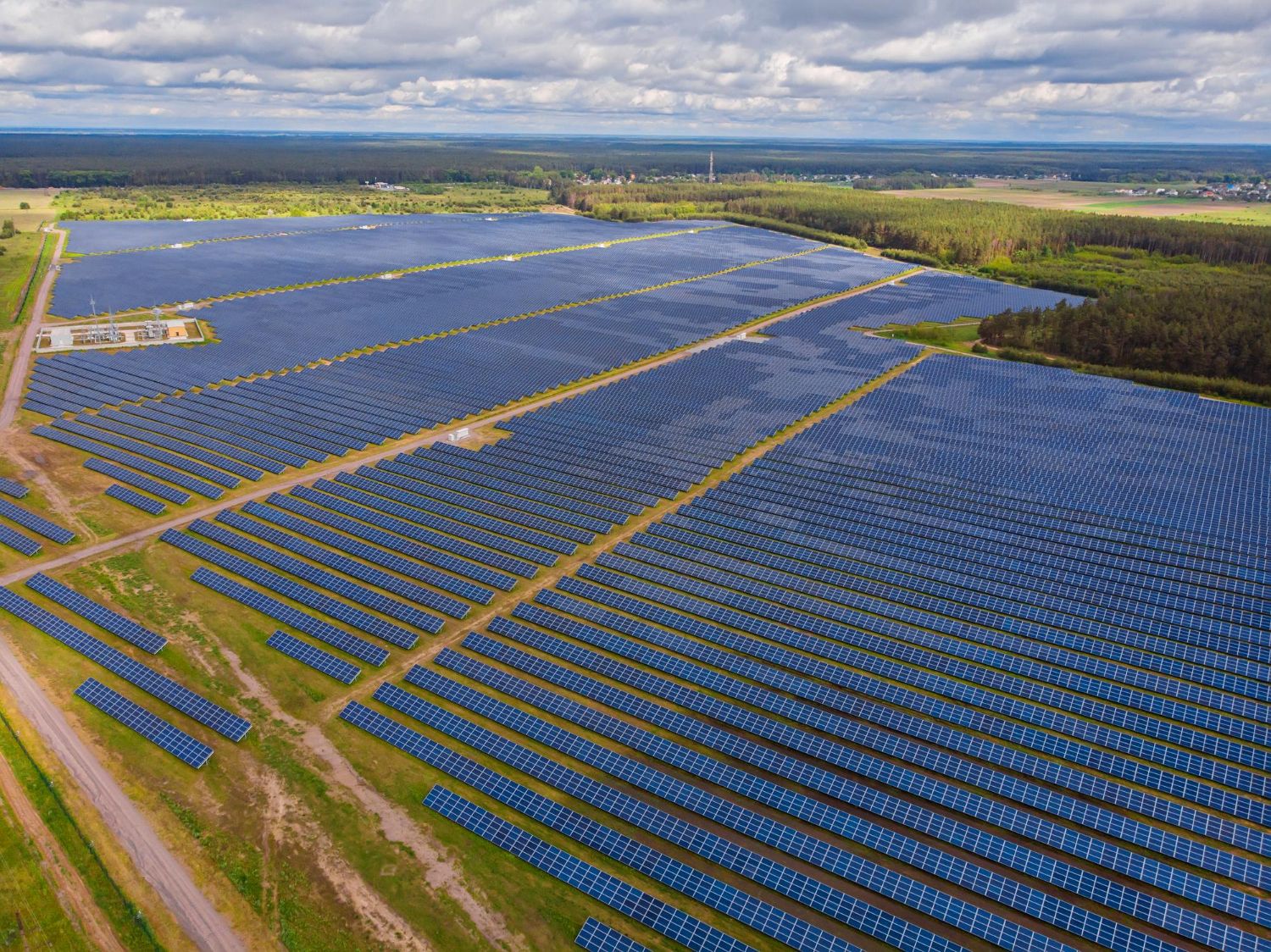
The modernisation of the electricity grid is taking place alongside the expansion of models that allow consumers to participate more actively in the energy system. Distributed generation, for example, enables consumers to access credits from renewable energy generated at plants connected to the grid, without necessarily installing equipment on their own property. ANEEL is precisely discussing how to integrate this growth into the electricity system in a safer and more coordinated manner.
In this context, subscription-based energy is one of the alternatives available to consumers who wish to use renewable energy without carrying out building work or installing panels on their own property. In the model offered by NewSun, the clean energy generated by the company’s solar farms is converted into credits and applied to the customer’s electricity bill. The solution is aimed, among other audiences, at condominiums, small and medium-sized enterprises and franchises.
In addition to access to renewable generation, the model can contribute to financial planning, as NewSun states that its tariff is linked to the green tariff flag, reducing the customer’s exposure to variations caused by tariff flags. The contract does not require the installation of panels, building work or equipment maintenance by the consumer.
Discover NewSun’s clean subscription-based energy and see how it works.
Consultation is still open
The proposal does not represent a definitive change to the rules. ANEEL has opened a public consultation from 10 September to 9 November, a period during which sector agents, companies, consumers and other interested parties may submit contributions.
The consultation takes place at a time of rapid transformation in the Brazilian electricity sector. The expansion of solar generation, the arrival of storage systems and the growth of electric mobility increase the need for a grid capable of dealing with different forms of generation, consumption and storage.
Thus, more than establishing rules for a specific technology, the discussion proposed by ANEEL represents part of a broader movement towards the modernisation of Brazil’s electricity infrastructure. The challenge will be to find a balance between greater operational control, encouragement of innovation, system security and appropriate costs for consumers.
You may also like
- Dicas para Síndicos e PMES
 22/10/2026
 5m
5m - Casos de Sucesso20/10/20265m
- Dicas para Síndicos e PMES16/10/20265m




Stop paying more for your energy bill
Find out in less than 1 minute how much you could save with clean energy every month — no works and no bureaucracy.
Join the energy revolution
Subscribe to our newsletter and receive exclusive content