Aerials and LPS in Condominiums: Standards, Inspection and maintenance
Aerials and LPS in Condominiums: Standards, Inspection and maintenance
Dicas para Síndicos e PMES
 27/08/2026
 5 min
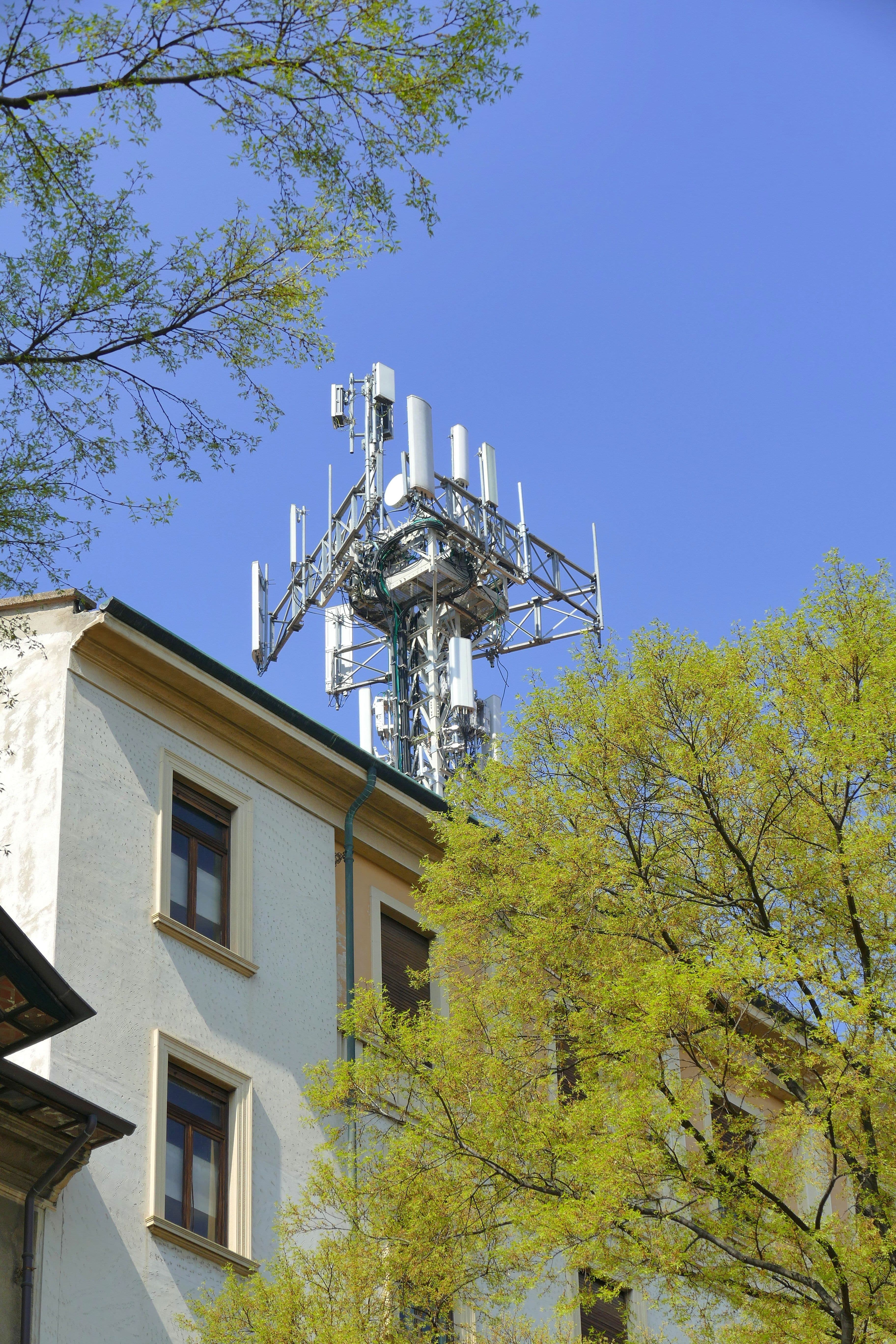
5 minThe roof of a residential or commercial building is one of the most strategic and sensitive areas of the entire property. Out of sight of most residents, the upper slab houses structures that are vital to the building’s physical safety, electronic operation and communications: the Lightning Protection System (LPS) — commonly known as the lightning conductor — and the array of communal, satellite and internet transmission aerials.
Because they are positioned at the condominium’s highest and most exposed point, these items of equipment face the aggressive effects of the weather every day: intense solar radiation, severe wind gusts, extreme temperature fluctuations, rain, hail and direct lightning strikes.
For condominium managers and management companies, who act as generalist managers, preserving these structures is not merely a matter of television or internet signal quality. It is a direct legal responsibility. Failures in the installation or maintenance of lightning conductors and aerials may result in fires, widespread damage to flats’ electrical and electronic appliances, fatal electric-shock accidents, masts falling into the street and the refusal of cover by the building insurer in the event of a claim.
In this comprehensive guide, you will understand the technical standards and good practices for installing aerials and lightning conductors, which routines may be carried out by the building’s maintenance team and which require specialist engineering, how to prepare a preventive visual checklist and how to structure an efficient schedule to protect the condominium’s assets.
Technical Standards and Good Practice for Installing Aerials and Lightning Conductors (LPS)
The installation of any metal equipment on top of the building must follow rigorous engineering criteria to prevent the structure from becoming a vulnerable point that attracts uncontrolled electrical discharges or causes leaks in the roof slab.
The Lightning Protection System and ABNT NBR 5419
Lightning protection in Brazil is governed entirely by ABNT NBR 5419 (Protection against lightning), structured in four fundamental parts:
General Principles: Basic concepts and lightning-current parameters.
Risk Management: Mathematical analysis that determines the protection level required for each type of building.
Physical Damage and Life Hazard: Sizing the air-termination subsystem (rolling-sphere method, meshes/Faraday cage or Franklin rods), down conductors and earth electrodes.
Internal Electrical and Electronic Systems: Surge Protection Measures (SPM) and the installation of Surge Protective Devices (SPDs) in electrical and telecommunications distribution boards.
An effective LPS is not intended to “prevent” lightning from striking, but rather to provide a safe, extremely low-resistance path so that the discharge current is captured and dissipated directly into the ground without damaging masonry, burning internal circuits or injuring people.
Good Practice and Rules for Installing Television and Internet Aerials
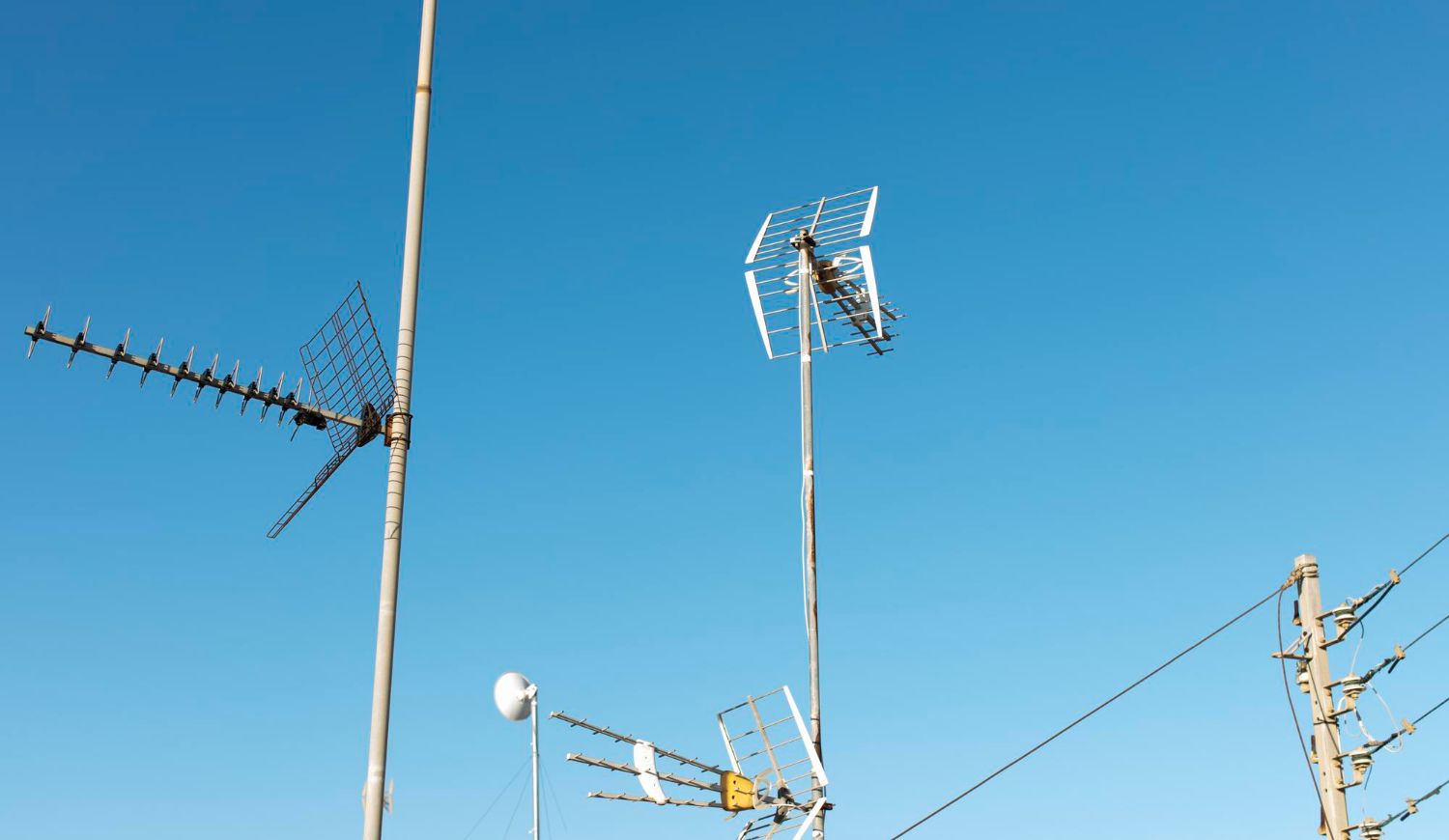
It is common for telecommunications companies, radio internet providers and pay-TV installers to access the building’s roof slab to mount satellite or digital dishes or transmission towers. If this installation is carried out without management control, the condominium will face serious risks:
Mandatory Earthing and Equipotential Bonding: Every aerial has a conductive metal structure. In accordance with NBR 5419 and NBR 5410 (Low-voltage electrical installations), the mast and casing of every aerial must be properly earthed and connected to the equipotential bonding ring or the condominium’s LPS. Isolated aerials act as secondary lightning receptors; if struck without earthing, they will conduct thousands of volts directly through coaxial cables into residents’ flats and television sets.
Installation of SPDs on Signal Lines: In addition to protection at electrical distribution boards, television coaxial-cable lines and internet network cables must have specific SPDs installed at the entrance to the riser, blocking induced overvoltages that could damage routers and receivers.
Preservation of Roof-Slab Waterproofing: Operator technicians must never drill into the roof slab to fix screws and plugs directly through the waterproof membrane. Masts and aerials must be fixed only to parapets, perimeter walls, raised masonry supports or movable concrete bases (ballasted feet), preserving the waterproofing layer against leaks.
Cable Organisation and Routing: Aerial cables must not be left loose, strewn across the roof or tied to lightning-conductor down cables. They must be organised in cable trays, cable ladders or screened conduits protected against UV radiation, preventing insulation from drying out and water from entering service shafts.
Caretaker vs Qualified Team: Who May Do What on the Roof?
The division of tasks between routine observation by the in-house team and work that requires specialist engineering is one of condominium managers’ most frequent questions. Occupational safety and civil liability impose strict limits.
What the Caretaker MUST NOT Do (Requirement for Qualified Professionals)
The caretaker or any condominium employee must not carry out electrical repairs, continuity tests or physical maintenance on lightning conductors and aerial masts. The reasons are clear:
Regulatory Standard 35 (NR-35 — Work at Height): Any activity performed more than 2 metres above the lower level where there is a risk of falling requires formal NR-35 training, specific medical examinations (occupational fitness certificate for working at height) and the mandatory use of Personal Protective Equipment (PPE), such as a full-body safety harness connected to lifelines.
Regulatory Standard 10 (NR-10 — Safety in Electrical Installations): Handling LPS subsystems requires proven technical competence to work with high electrical potentials.
Technical Report with ART Registered with CREA: Measuring the ohmic resistance of the earthing system using an earth resistance tester and issuing the LPS Technical Report require the signature of an Electrical Engineer with active CREA registration and an issued Technical Responsibility Record (ART). Reports issued by companies without a responsible engineer, or informal reports from the maintenance team, have no legal validity before the Fire Brigade (for renewal of the AVCB fire-safety certificate) or insurance companies.
The Essential Role of the Maintenance Team (Preventive Visual Inspection)
The caretaker acts as the condominium’s first line of defence and surveillance. Their role is not to handle the equipment, but to carry out periodic visual inspections from safe points on the roof slab, identifying apparent anomalies, visible wear and breaches of the rules by third-party contractors.
Visual Inspection Guide for the Maintenance Team: What to Look for Routinely
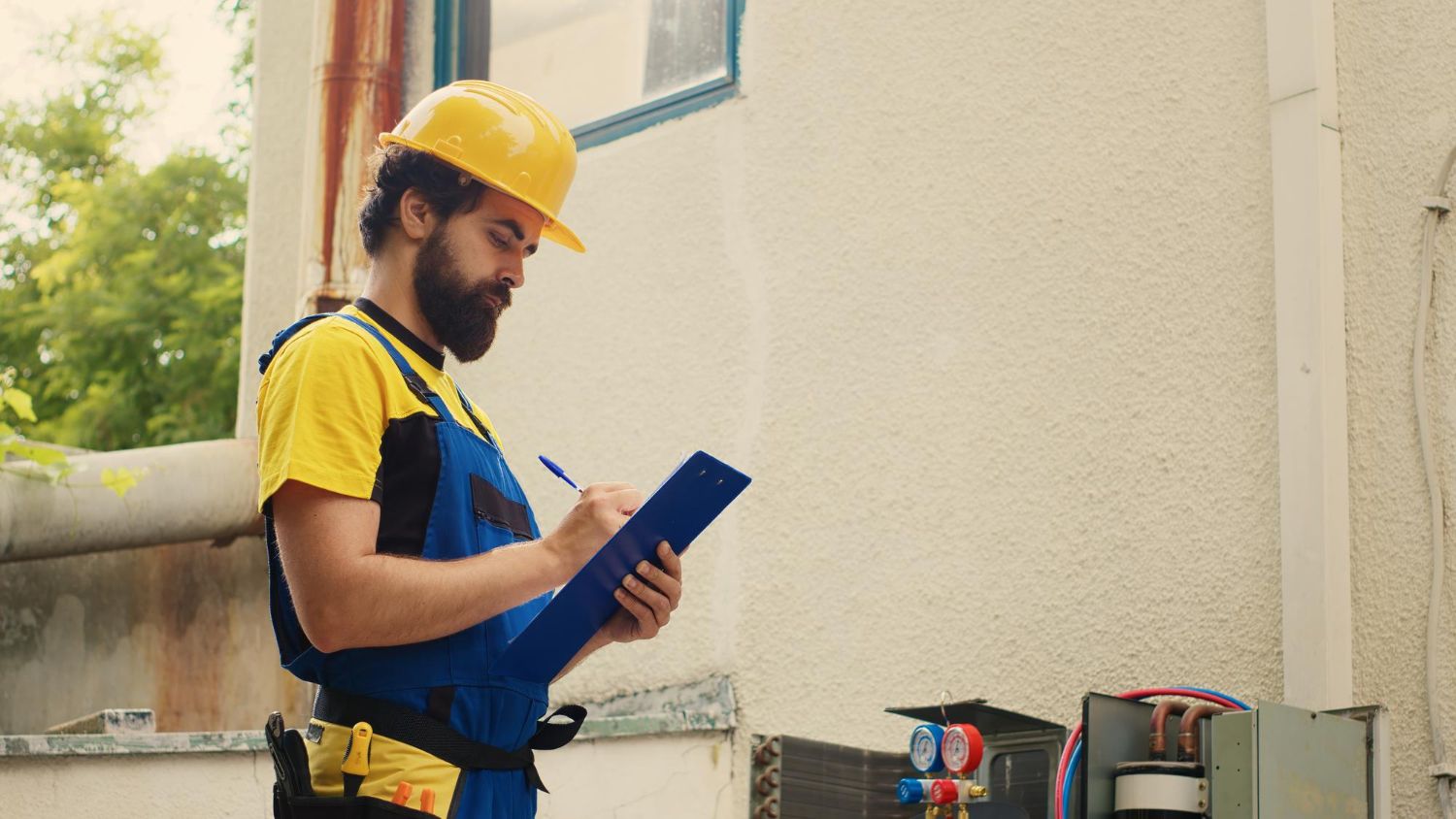
To equip the building team properly, management should provide a clear inspection guide. During a roof inspection, the caretaker or person responsible for maintenance should check the following items:
Physical Condition of Masts and Fixings: Check whether lightning-conductor masts and aerial supports show signs of severe rust, loose bolts, cracked angle brackets, or broken or slack steel guy wires. In gales, loose masts may topple and cause serious accidents.
LPS Copper Cables and Connections: Visually check that the copper down conductors and air-termination ring are continuous, firmly secured by clips and free from breaks. Look out for verdigris (the green layer of copper oxidation) on mechanical connections, and make sure no cable has been severed during waterproofing work or façade painting.
Insulators and Air-Termination Rods: Inspect whether the tips of Franklin rods are straight and clean, and whether the plastic or porcelain insulators supporting the cables are dried out, broken or loose.
Top Obstruction Light (Night-Time Marking): Check weekly that the red aircraft-obstruction warning light installed at the top of the tallest mast illuminates normally at night. Keeping this marker operational is required by Brazilian Air Force Command (COMAER) standards for the safety of aircraft and helicopter traffic.
No Abandoned Cables or Rubbish: Check that internet and television operators which carried out previous work have not left coils of loose wire, decommissioned aerials or plastic packaging that can collect water on the roof slab.
Roof Access Control: Ensure that the access door to the upper roof slab remains strictly locked, with the key or access control held at reception, preventing access by unauthorised persons, children or unaccompanied residents.
Suggested Maintenance and Legal Compliance Schedule
Management of rooftop structures should be organised in a structured calendar to anticipate failures before the summer storm season begins:
Weekly
The caretaker should visually check the night-time obstruction light and confirm that the roof-access door is locked. Observations must be properly recorded in the maintenance logbook.
Monthly to Quarterly
Visual inspection of aerial fixings, the integrity of visible cables, and the cleanliness of the roof slab and gutters. This work may also be carried out by the caretaker or the in-house building-maintenance team.
Every Six Months
An in-depth visual inspection by a trained technician or maintenance company of the entire route of down conductors, ground inspection pits and mast fixings.
Annually (Mandatory)
A full technical inspection with an electrical continuity test, ohmic earth-resistance measurement using an earth resistance tester, SPD checks and inspection in accordance with ABNT NBR 5419. This work must be carried out exclusively by an Electrical Engineer registered with CREA and must result in a conclusive LPS Technical Report with a registered ART (Brazilian document necessary to act as an engineer).
Extraordinary
Following a direct lightning strike on the building, severe gales or refurbishment work on the façade and roof, an immediate inspection must be carried out by a specialist LPS company under the supervision of an Electrical Engineer. The company must provide an extraordinary inspection report and repair any damaged components.
A Simpler Roof: How NewSun’s Energy Subscription Avoids Solar Panels and Reduces the Building-Maintenance Burden
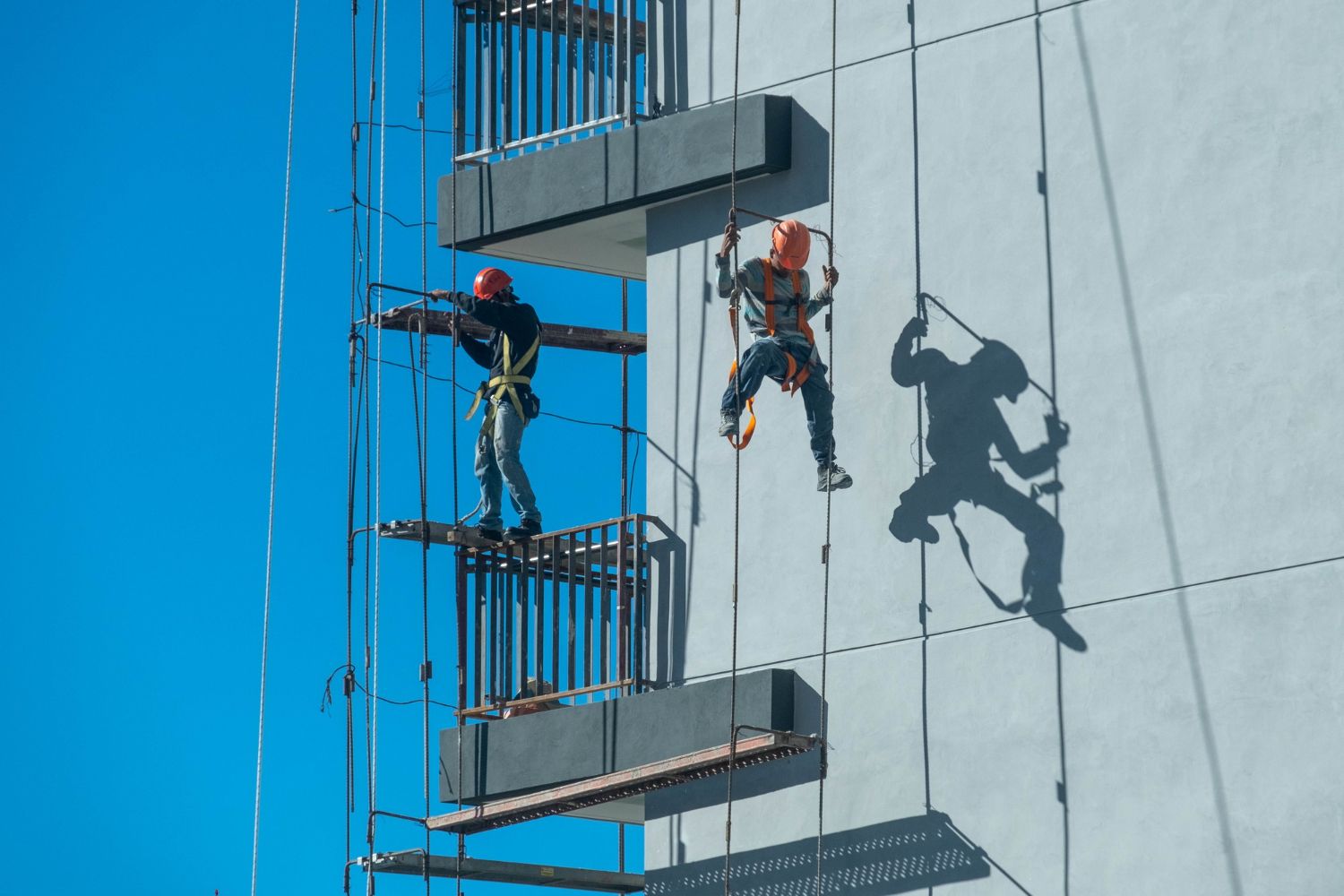
Managing a condominium roof requires constant attention to waterproofing, inspections at height under NR-35 rules, access control and rigorous maintenance of lightning conductors and aerials. For the condominium manager seeking to reduce electricity costs and make the development more sustainable, the first idea that usually arises is installing a dedicated photovoltaic solar-panel system on the building’s roof.
However, turning the building’s roof slab into a small solar generating plant adds a heavy layer of new operational obligations and structural risks:
More Structures and Holes in the Roof Slab: Fixing dozens or hundreds of solar panels requires drilling, metal supports and heavy anchors on the roof, creating new potential points of water ingress and overloading the slab with additional static weight.
Demanding Cleaning and Maintenance at Height: Solar panels accumulate dust, soot and bird droppings, requiring ongoing periodic cleaning by professionals certified to work at height (NR-35) so that generation efficiency is not lost.
Weather Vulnerability and Storm Damage: Glass solar modules installed on top of the building are directly exposed to high winds, hailstorms, damaged inverters and lightning strikes, requiring expensive insurance and funds to replace failed components over the years.
To achieve sustainability and save on electricity bills without burdening the condominium’s roof slab with new structures, NewSun’s energy subscription offers a definitive and intelligent solution.
Through an innovative digital platform, NewSun connects the condominium to highly efficient partner plants that generate clean, renewable energy outside the urban centre. Credits from this generation are fed directly into the electricity grid and deducted from the bill for communal areas, providing progressive savings for the condominium.
The major advantage of NewSun’s energy subscription is the complete absence of physical building work:
No Solar Panels on the Roof: Your condominium’s roof slab remains clear, clean and unobstructed, housing only essential equipment (aerials and lightning conductors) and eliminating the risk of leaks caused by building work.
No Costs for Panel Cleaning, Inspections or Maintenance: Building management need not worry about hiring teams to wash panels at height, replace damaged inverters or make claims under manufacturers’ warranties.
No Initial Investment: The condominium does not spend a penny of its reserve fund on equipment that depreciates over time.
Complete Predictability of Electricity Bills: The subscription offsets peaks caused by tariff flags charged by local distributors, bringing stability and making the condominium manager’s monthly reporting easier.
With NewSun, the manager achieves genuine sustainability, reduces the building’s electricity bills and keeps the condominium roof simple, safe and easy to manage.
Conclusion
Looking after the installation and preventive maintenance of aerials and lightning conductors on the condominium roof is a fundamental commitment to residents’ safety, the preservation of assets and the building’s legal compliance. By establishing clear rules for telecommunications contractors, training the maintenance team to carry out regular visual inspections and annually appointing qualified engineers to issue the LPS Report with ART, the condominium manager reduces the risks of accidents, fires and problems with insurers.
Likewise, modernising the building’s energy management by choosing solutions that simplify daily operations — such as NewSun’s clean-energy subscription, which delivers genuine savings and sustainability without the need to install and maintain solar panels on top of the building — demonstrates intelligent leadership focused on operational efficiency and peace of mind for the entire condominium community.
You may also like
- Dicas para Síndicos e PMES
 09/10/2026
 5m
5m - Dicas para Síndicos e PMES08/10/20265m
- Dicas para Síndicos e PMES06/10/20265m




Stop paying more for your energy bill
Find out in less than 1 minute how much you could save with clean energy every month — no works and no bureaucracy.
Join the energy revolution
Subscribe to our newsletter and receive exclusive content