
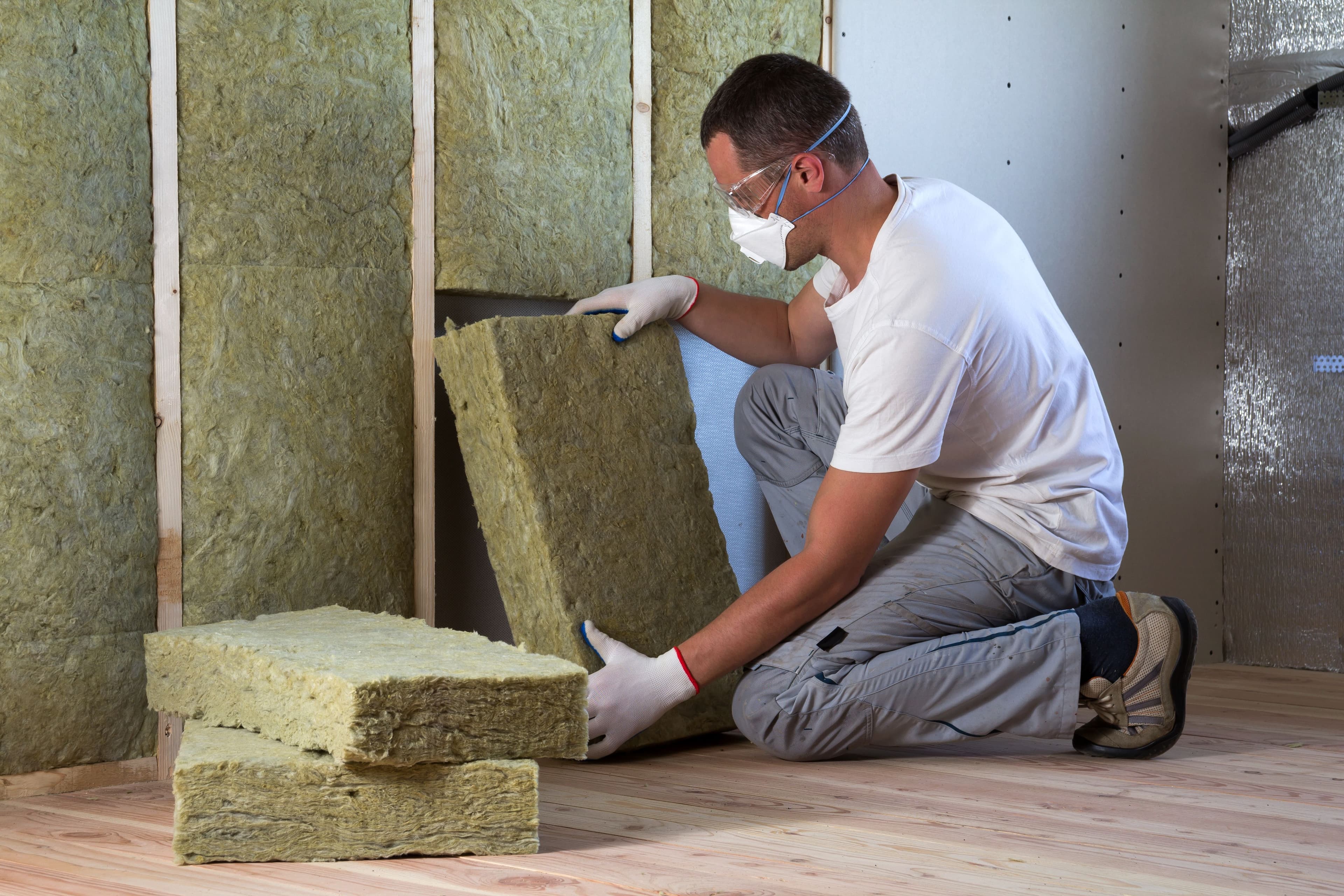
Acoustic Insulation Guide for Condominium Managers
Acoustic Insulation Guide for Condominium Managers
Dicas para Síndicos e PMES
 27/04/2026
 5 min
5 minBrazil's housing landscape has undergone profound transformation over the last decade, especially regarding how residents perceive and interact with their domestic environment. With the rise of remote and hybrid work and the pursuit of a better quality of life, noise has become the unwelcome protagonist of countless conflicts in condominiums across the country. The Brazilian Condominium Census 2024-2025 shows that complaints related to noise pollution remain top of the list of residents' grievances, surpassing long-standing issues such as parking spaces and pets. Against this backdrop, acoustic insulation has stopped being a luxury item and become a structural and legal necessity to guarantee habitability and protect asset value. For the condominium manager, understanding the technical and legal nuances of acoustic insulation is essential for mediating crises and proposing improvements that bring peace to everyday collective life.
The Impact of Noise on Community Life and Brazil's New Reality
Noise in condominiums is not just a passing nuisance; it is a chronic stressor that affects residents' mental health, productivity and wellbeing. Analysis of data collected in 2024 reveals that a lack of awareness of legislation and internal by-laws lies at the root of most disputes. Many residents, moving into a condominium for the first time, do not understand that a building's physical structure has limits on sound absorption, and that the original acoustic insulation may not be sufficient for high-impact activities. The sound of heels, furniture being dragged and loud music is amplified by inadequate acoustic insulation in floor slabs and walls, generating a cycle of notices and fines that wears down management.
The role of the condominium manager has expanded in this context. Today, the manager acts as a mediator who needs to master technical concepts in order to guide the community. The definitive solution to excessive noise often requires physical acoustic insulation work. Acoustic insulation acts both to contain airborne sound and to mitigate impact noise, with the latter being the greatest cause of friction between neighbours on different floors.
Statistics show that recurrence is the key word when it comes to severe legal action. When dialogue and administrative mediation fail, acoustic insulation becomes the technical proof of whether the condominium or unit complies with the required comfort standards. Fines that can reach R$200,000 in extreme cases serve as a warning for management to prioritise investment in acoustic insulation, preventing disputes that could jeopardise the condominium's finances. Well-planned acoustic insulation is, therefore, an investment in legal security and social harmony.
The NBR 15575 Performance Standard and Acoustic Insulation Levels

The publication of ABNT NBR 15575 in 2013 marked a watershed moment in Brazilian construction. This standard, known as the Performance Standard, establishes minimum criteria for acoustic insulation in residential buildings, focusing on the user experience throughout the property's lifespan. For condominium managers, understanding NBR 15575 is crucial, as it defines developers' responsibilities and the permitted noise levels between units. Acoustic insulation of walls between bedrooms, for example, must guarantee a sound reduction of at least 45 decibels to be considered acceptable. If the acoustic insulation fails to reach these levels, the property may be deemed technically non-compliant.
The standard divides acoustic insulation into three performance levels: minimum, intermediate and superior. The minimum level is mandatory for all buildings constructed after 2013, while the intermediate and superior levels are competitive advantages that significantly add value to condominiums. In the case of floor acoustic insulation, the standard monitors impact noise, establishing that the sound pressure level on the floor below must not exceed 80 decibels after a standardised impact. However, experts point out that 80 decibels is still a high value for genuine comfort, recommending that floor acoustic insulation be optimised to achieve levels below 55 decibels.
In addition to NBR 15575, acoustic insulation in condominiums must also comply with NBR 10151, which covers noise assessment in inhabited areas, and NBR 10152, which specifies ideal sound pressure levels for indoor environments. When the acoustic insulation of a façade is not sufficient to contain external noise, even if it meets NBR 15575, residents' comfort is compromised. This shows that acoustic insulation is a complex system involving walls, windows, doors and even plumbing pipework, which must not exceed 37 dBA in bedrooms when in use.
A Guide to Advising Residents on Noise in Condominiums
Educating residents is the first step towards reducing noise complaints. The condominium manager should create awareness campaigns explaining how individual acoustic insulation impacts the wider community. The internal by-laws are the primary tool for setting clear limits, defining hours for renovations, use of musical instruments and activities in common areas. However, guidance should go beyond prohibition; the manager can suggest practical acoustic insulation solutions that each resident can adopt in their own unit to improve communal living.
The use of simple materials can significantly reduce noise. Thick rugs and heavy curtains act as an extra layer of acoustic insulation, absorbing some of the sound waves that would otherwise reverberate off hard surfaces. Below are the main guidelines that managers should reinforce with residents to mitigate noise:
Use felt or rubber protectors on the legs of chairs and tables to reduce the friction noise that travels through the slab.
Replace ceramic flooring with vinyl or laminate flooring fitted with a high-density acoustic insulation underlay in flats.
Install seals on entrance doors to create a barrier against noise coming from corridors and circulation areas.
Raise awareness about wearing high heels in private areas, encouraging residents to switch to soft slippers to avoid impact noise.
Require prior notice to the administration for any maintenance work using impact tools, strictly observing permitted hours.
Clear, empathetic communication reduces the need for penalties. The condominium manager should use management apps to send reminders about quiet-hours rules and share the internal by-laws digitally, ensuring that new residents have immediate access to the building's noise and acoustic insulation rules. When residents understand that acoustic insulation is a mutual right and responsibility, harmony within the condominium becomes far easier to maintain.
Safety and Technical Standards for Acoustic Insulation Renovations

When carrying out any work aimed at acoustic insulation, the condominium manager and resident must pay attention to NBR 16.280, which regulates renovations in residential units to ensure the building's structural safety. A common mistake is assuming that installing heavy layers of acoustic insulation on floors or walls poses no risk. However, the added weight of acoustic insulation materials can overload the slab if not properly calculated by an engineer or architect. Therefore, submitting an ART (Technical Responsibility Record) or RRT (Technical Responsibility Registration) is mandatory before any work begins.
Fire safety is another critical factor when choosing acoustic insulation materials. Materials such as rock wool are highly recommended, as they are non-combustible and can withstand temperatures of up to 1,500°C, acting as a firebreak barrier in shafts and pipe runs. On the other hand, improper use of plastic foams without flame-retardant treatment can accelerate the spread of fire, endangering residents' lives. As inspector, the condominium manager must demand fire-resistance certificates for any acoustic insulation materials to be installed in common and private areas.
Renovation documentation should be kept on file by the condominium for future reference. This includes the renovation plan, the detailed schedule and the liability statement signed by the owner. If the condominium manager identifies irregularities in acoustic insulation work that compromise safety or generate excessive noise outside permitted hours, they have both the power and the duty to halt the work until the situation is resolved. Compliance with technical standards protects the manager from civil and criminal liability in the event of accidents resulting from poorly executed renovations.
Acoustic Insulation in Strategic Areas: The Function Room
The function room is, without doubt, the common area that generates the most noise complaints in condominiums. Events with live music, microphones and large numbers of people create sound pressure that tests the building's structure. Professional acoustic insulation design for this area is essential to allow residents to celebrate without disturbing neighbouring residential units. Strategic acoustic insulation of the function room involves treating the ceiling, windows and doors and, in many cases, creating a floating floor to contain impact noise and vibration from speakers.
For acoustic insulation to be effective, acoustic doors with an antechamber and double perimeter seals are needed, preventing sound from escaping into corridors. Windows should have double or laminated glazing of differing thicknesses, a technique that increases the effectiveness of acoustic insulation by blocking different sound frequencies. In addition, treating internal walls with absorbent panels reduces reverberation within the function room, improving speech intelligibility and preventing sound from becoming a deafening "wall of noise" that leaks outside.
Acoustic insulation of leisure areas on rooftops also requires special attention, particularly regarding noise from pool pumps and air-conditioning equipment located directly above high-end flats. Using neoprene shims and vibration dampers on machinery is a form of structural acoustic insulation that prevents mechanical noise from travelling throughout the building's riser. Investing in good acoustic insulation in these strategic areas not only reduces conflict but also adds value to the condominium's common areas, making them more usable and pleasant for everyone.
Types of Acoustic Insulation and Essential Materials
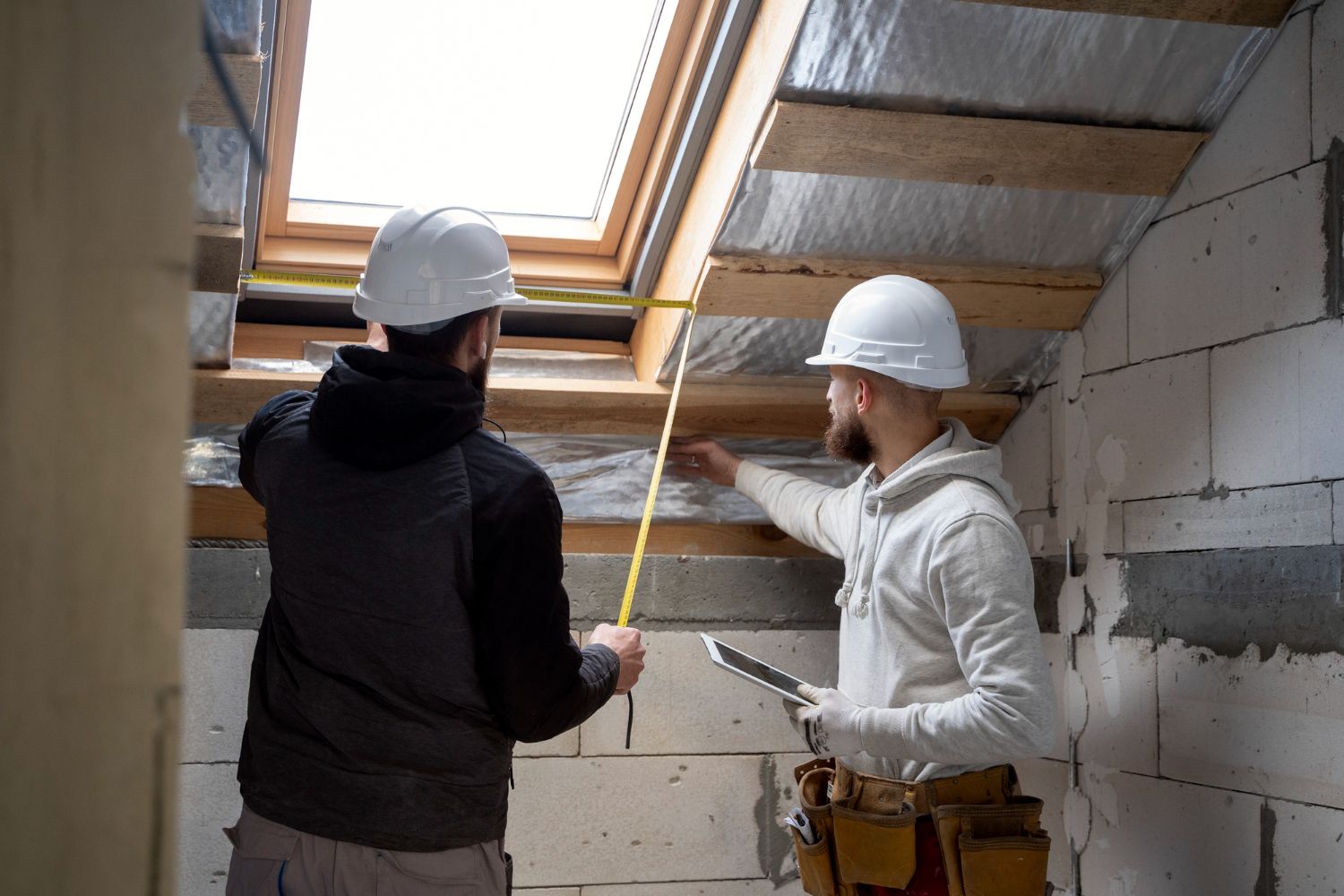
There are various materials on the market, each suited to a specific acoustic insulation need. The right choice depends on whether the goal is to block noise coming from outside or absorb sound generated internally. In professional acoustic insulation, mineral wools are the most traditional and effective solutions, thanks to their fibrous structure that dissipates sound energy.
Rock Wool: Made from basalt rock, it is excellent for acoustic and thermal insulation, and is also non-combustible. It is ideal for filling drywall partitions and sealing shafts.
Glass Wool: Made from sand and recycled glass, it is lighter than rock wool and offers very similar acoustic insulation performance, and is widely used in ceilings and partitions.
PET Wool: A sustainable alternative made from recycled bottles. Although slightly more expensive, it is hypoallergenic and does not shed fibres, making it safe to handle indoors without heavy PPE.
Acoustic Windows: Made up of double glazing with an air gap or laminated glass, these are essential for the acoustic insulation of façades in condominiums located on noisy roads.
Acoustic Floor Underlays: Made of polyethylene or rubber, these are installed beneath the subfloor to provide impact acoustic insulation, essential for eliminating footstep noise.
The condominium manager should know that acoustic insulation is not simply a matter of "plugging gaps". It is a system that depends on density and airtightness. A small gap under a door or a crack in a window can compromise up to 50% of a room's acoustic insulation effectiveness. This is why acoustic seals and elastic sealants are an integral part of any professional acoustic insulation installation in condominiums.
Work Planning and Estimated Renovation Time
The success of an acoustic insulation renovation depends on a well-structured schedule that minimises disruption for neighbours. The condominium manager should require the resident or contracted company to provide a detailed schedule, specifying the days with the most noise resulting from demolition and drilling work. In general, an acoustic insulation renovation in a medium-sized function room takes between 15 and 30 days to complete, depending on the complexity of the work on the ceiling and walls.
The acoustic insulation installation process follows logical steps. First, a diagnostic assessment is carried out with decibel measurements to identify sound leakage points. Next comes the technical design, selecting the acoustic insulation materials best suited to those sound frequencies. The execution phase must be carried out by acoustic specialists, as installation errors, such as sound bridges caused by poorly placed screws, can undermine the entire investment. Finally, once the work is finished, a new measurement should be taken to confirm whether the noise reduction targets have been met.
For flat renovations, the timeframe tends to be shorter. Installing an acoustic insulation system on a bedroom wall with drywall can be done in just two or three days, generating little mess and only moderate noise while the metal frames are fixed. Overlay acoustic windows can be installed within a few hours, with no need to remove the original frame, avoiding façade alterations that are prohibited in many condominiums. Planning these actions in advance and informing neighbours through the condominium's official channels is the best way to ensure that acoustic insulation does not itself become a new source of conflict over renovation noise.
Financial Stability and Clean Energy with NewSun Energy Group

Managing a condominium requires close attention not only to noise and comfort, but also to the financial efficiency of common areas. The NewSun Energy Group clean energy subscription emerges as a strategic solution for managers seeking predictability and savings. Through this model, the condominium starts consuming energy generated at solar farms, which stabilises common-area electricity bills immediately. The major competitive advantage is that the NewSun subscription shields the bill from the financial impact of tariff bands, guaranteeing that the tariff is always linked to the green band, the cheapest in the country.
In addition to progressive savings, NewSun offers a rare differentiator in the energy market: genuinely human, personalised service, eliminating the bureaucracy of traditional call centres. Managers have access to the exclusive NewSun Energy Club platform, a digital environment where they can track the condominium's energy consumption, applied solar energy credits and the exact savings generated in real time. This transparency makes accounting easier at general meetings and demonstrates management's commitment to innovation and sustainability, reinforcing the condominium's reputation as a modern, environmentally conscious property.
Find out more here.
Property Value: Silence as the New Luxury
The modern property market has firmly established the idea that silence is a high-value asset. Properties with high-performance acoustic insulation sell and let faster and for higher prices than conventional buildings. Acoustic comfort has come to be seen as an investment in health and productivity, especially with people spending more time at home. In large urban centres, where external noise is constant, quality acoustic insulation turns a home into a haven of wellbeing, a differentiator that buyers are willing to pay more for.
Industry estimates indicate that structural improvements, such as upgrading acoustic insulation in common areas and modernising façades with acoustic glazing, can increase the value of condominium units by up to 15%. Beyond financial value, there is the value of social peace: quiet condominiums have lower resident turnover rates and fewer legal costs from mediating noise disputes. Acoustic insulation should therefore be a standing item on the agenda at budget planning meetings, as its benefits are permanent and raise the development's standing in the property market.
By combining investment in acoustic insulation with the adoption of energy management technologies such as NewSun's, condominium managers build the condominium of the future. A place where noise is controlled through engineering and ethics, and where resource savings are generated through sustainable innovation. Silence and clean energy are the pillars of the new urban habitability, ensuring that condominiums become not just places to live, but spaces of genuine human regeneration.
The Condominium Manager's Leadership Role in Sound Management
The journey towards a quieter condominium begins with the manager's leadership. Mastering acoustic insulation concepts, understanding NBR 15575 requirements and guiding residents on noise etiquette are the actions that define an excellent manager. Acoustic insulation should not be seen as an expense, but as a vital piece of infrastructure that prevents health problems, avoids heavy fines and promotes long-term property value.
Ultimately, success in condominium living depends on the balance between individual rights and collective peace and quiet. When a manager implements professional acoustic insulation solutions, they are, in effect, delivering quality of life and dignity to residents. With the support of solid technical standards and strategic partners that bring energy and financial efficiency, such as NewSun, the condominium becomes a model of harmonious living, where the only sound to be heard is that of people living well. Acoustic insulation is the physical barrier that protects peace, and efficient management is the thread that sustains it.
You may also like
- Casos de Sucesso
 20/10/2026
 5m
5m - Dicas para Síndicos e PMES16/10/20265m
- Dicas para Síndicos e PMES13/10/20265m




Stop paying more for your energy bill
Find out in less than 1 minute how much you could save with clean energy every month — no works and no bureaucracy.
Join the energy revolution
Subscribe to our newsletter and receive exclusive content