

Abandoned Car in the Condominium: What to Do?
Abandoned Car in the Condominium: What to Do?
Dicas para Síndicos e PMES
 10/06/2026
 5 min
5 minThe day-to-day management of a residential or commercial condominium requires the building manager to pay meticulous attention to the occupation and preservation of common areas. Among the shared spaces that generate the most friction, debate and legal doubt at assembly meetings, the garage stands out as a critical point of contention. The shortage of parking spaces combined with the rising number of vehicles per family creates an environment of silent competition for space. When a resident neglects the care of their belongings and leaves an abandoned car occupying a private or rotating space for months on end, the problem stops being an individual matter and starts to directly affect the harmony of the whole condominium. Organising these areas requires clear rules, legal compliance and firm management. The presence of an abandoned car requires the condominium to act quickly to remove it. Dealing with the abandoned car problem requires a strategic removal so that the condominium does not suffer organisational losses.
The prolonged presence of an abandoned car in the garage creates an extremely negative visual impact, giving off an uncomfortable sense of neglect, dirt and a lack of active oversight by building management. The condominium, which should strive to preserve the property value for all owners, suffers immediate aesthetic depreciation when visitors or new residents come across vehicles covered in dust and cobwebs. For the manager, handling the removal of this asset requires extreme caution, as the right to private property, protected by overarching Brazilian law, comes into direct conflict with the collective interest and the hygiene rules that govern life within the condominium. Handling an abandoned car case without focusing on lawful removal exposes the condominium to vulnerabilities.
Acting hastily when faced with an abandoned car can expose the condominium to costly lawsuits for moral and material damages, should the removal be carried out arbitrarily. For this reason, building managers need to understand in detail the legal difference between temporary disuse and genuine abandonment, adopting standardised, transparent procedures before taking any extreme measure. The role of good-quality information is precisely to guide the condominium manager through the legal intricacies, showing that the resolution to an abandoned car impasse lies in peaceful mediation, formal notices and the correct engagement of the legal channels needed to bring about the final removal in a completely safe way.
What qualifies as an abandoned car in a condominium parking space?
Many disputes at condominium assemblies happen because residents and council members don't know how to precisely identify what actually qualifies as an abandoned car. The simple fact that a vehicle has stayed parked in the same space for a few weeks is not legal grounds for management to take severe punitive measures or demand the removal of the vehicle. Abandonment presupposes a set of explicit material evidence demonstrating the owner's clear lack of interest in maintaining, caring for and using the vehicle, creating visual, operational or sanitary harm for the rest of the condominium. To characterise an abandoned car, the condominium assesses whether removal is the only viable solution. Removal of an abandoned car must follow the rules the condominium sets out. A genuinely abandoned car harms public health, requiring its removal from the condominium.
The physical signs indicating the existence of an abandoned car include excessive, chronic dust build-up on the bodywork, visibly flat tyres or ones deformed from lack of movement, broken or cracked windows,visible rust and clear signs of mechanical deterioration. These vehicles often serve as informal storage for boxes, rubbish and old items belonging to the resident, which completely defeats the exclusive purpose of the condominium's parking space. The building manager should document all these physical signs through dated photographs and inspection reports from the condominium's caretaking staff, building a solid evidentiary basis to justify starting a lawful removal process for the abandoned car within the condominium.
From a regulatory standpoint and under the condominium's internal by-laws, a car is also considered abandoned when the owner stops responding to attempts by management to make contact and ignores formal clean-up notices. The condominium cannot set arbitrary deadlines based on guesswork; the characterisation of abandonment must be guided by objective, reasonable criteria set out in the internal charter. Gathering this documentary evidence protects management against future claims of personal harassment, showing that the notice for clean-up or removal of the abandoned car serves solely and exclusively to maintain order, hygiene and safety in the condominium's common areas.
Abandoned car versus rarely used vehicle: How to tell the difference in practice?
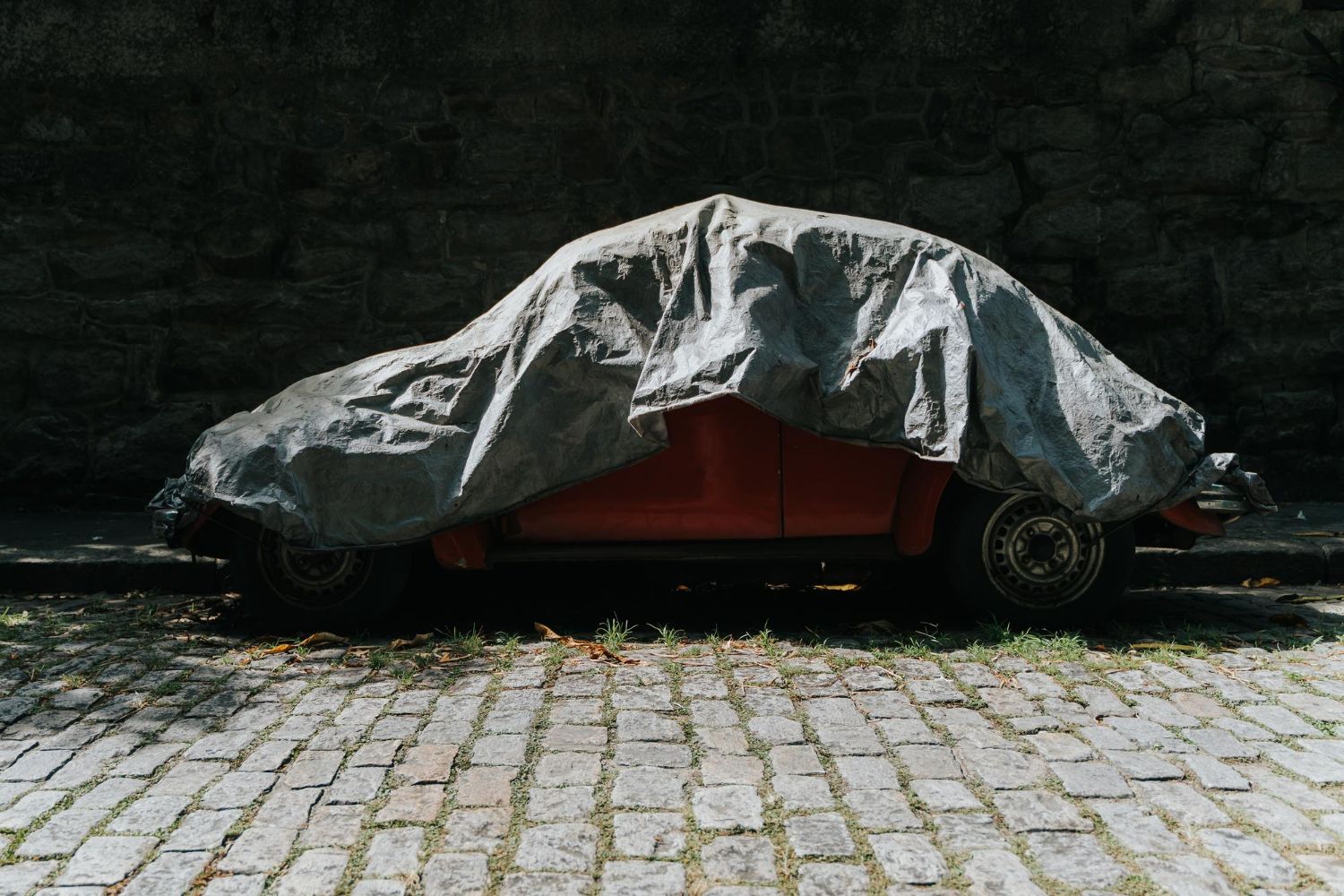
One of the greatest difficulties faced by condominium management is drawing the line between a resident's legitimate right to own a vehicle they rarely use and the neglect that characterises an abandoned car. The right to private property ensures that any co-owner may keep their car parked in their designated space, even if months go by without the engine being started or the car being driven on public roads. Temporary disuse, on its own, does not constitute an infringement and does not give the condominium grounds to force the removal of the vehicle. The process of removing an abandoned car only begins once the condominium has exhausted the means of distinguishing disuse from chronic abandonment.
The practical distinction between legitimate disuse and an abandoned car lies in the vehicle's state of upkeep, hygiene and maintenance. A rarely used vehicle may be covered by a light layer of dust, but it keeps its tyres properly inflated, its windows intact, its bodywork clean, and shows no fluid leaks or risks to the collective health of the condominium's residents. An owner who rarely uses their car generally responds to the building manager's requests, arranges periodic cleaning of the vehicle and keeps condominium taxes and fees up to date, demonstrating ongoing care for their property within the condominium. When the resident cooperates, the spectre of an abandoned car and the need for its removal from the condominium is dispelled.
To guide building managers and avoid misinterpretations that create unnecessary friction with residents, we can list the practical indicators that distinguish these two everyday situations:
Rarely used car: keeps its tyres properly inflated and its mechanical structure fully intact and functional within the condominium;
Rarely used car: the owner carries out regular periodic cleaning or uses suitable protective covers for the bodywork;
Abandoned car: shows clear signs of an accident, missing parts, smashed windows or unlocked doors in the garage;
Abandoned car: the owner systematically ignores notices sent by condominium management and refuses to clean the space;
Abandoned car: the vehicle leaks oil continuously, damaging the floor and creating risks of fire or contamination within the condominium.
The structural and health risks of keeping a neglected vehicle
The presence of an abandoned car in a parking space goes far beyond a simple aesthetic issue of asset devaluation for the condominium. Vehicles left in a state of total abandonment quickly turn into dangerous vectors of health risks, threatening the public health of every family living in the condominium. The build-up of dirt and lack of movement create the perfect environment for the proliferation of harmful urban pests, such as rats, cockroaches, scorpions and, above all, mosquitoes that transmit serious diseases such as dengue, zika and chikungunya, especially if the abandoned car has rainwater seeping in. The danger posed by the abandoned car is grounds for its immediate removal from the condominium. Every abandoned car attracts pests, making removal a public health urgency for the condominium. Leaving an abandoned car without removing it compromises safety.
Beyond the clear risks to residents' health, the mechanical and structural risks cannot be underestimated by the caretaking team. Old abandoned cars often show chronic leaks of highly flammable fluids, such as engine oil, brake fluid and residual fuel from the tank. These leaks corrode the asphalt or concrete flooring of the condominium's garage and exponentially increase the risk of fires in basements, which are enclosed spaces that are hard to evacuate. A fire that starts in an abandoned car with damaged wiring can spread quickly through the condominium, causing incalculable structural damage. Removing the abandoned car is a structural protection measure the condominium should adopt.
Another risk associated with an abandoned car is the threat to property security from break-ins and vandalism within the condominium premises. Vehicles left open, with broken windows or unlocked doors, can serve as a hiding place for illicit items or unauthorised people who manage to slip past the condominium's main entrance. The building manager, backed by the legal duty to ensure collective safety and peace, has the technical justification needed to intervene in the parking space and demand the clean-up or immediate removal of the inoperative vehicle, proving that inaction in the face of an abandoned car endangers the life of the whole condominium community. Forcing the removal of an abandoned car through the proper channels adds value to the condominium.
Legal step by step: What should the building manager do upon noticing the situation
Upon visually confirming that there is an abandoned car parked in the garage, the condominium's building manager must adopt an extremely rigorous legal, technical and strategic procedure before considering any forced removal measure. The essential first step is the unambiguous identification of the residential unit linked to that parking space and the ownership of the vehicle in question. The condominium manager must check the internal register of residents and vehicle records to find out who is directly responsible for the neglected car that constitutes the abandoned car. Removal of the abandoned car depends on correct prior identification within the condominium.
Once the owner has been duly identified, the condominium's management should prioritise the path of friendly dialogue through an informal approach, seeking to understand the reasons behind the vehicle's disuse and deterioration. Often, a condominium resident may be facing serious financial difficulties, family health issues or unresolved probate matters that explain the neglect of the vehicle. If this initial informal conversation does not produce practical results in terms of clean-up and organisation, the building manager must begin the legal formalisation of the approach process against the abandoned car. The condominium's focus should be to resolve the abandoned car issue without needing to immediately resort to a judicial removal order.
To ensure the legal security of every stage and support future sanctions or removal actions, the condominium manager should follow this roadmap of initial administrative steps:
Take clear, high-resolution photographs from every angle of the abandoned car, documenting the state of deterioration in the parking space;
Draw up a technical inspection report signed by the condominium caretaker, confirming the exact period the vehicle has been inactive;
Send a formal extrajudicial notice with acknowledgement of receipt to the residential unit responsible for the abandoned car;
Set a fair, clear deadline, generally fifteen to thirty days, for the owner to carry out a full clean-up or removal of the vehicle;
Keep a detailed record of every failed attempt at telephone or in-person contact in the condominium's official occurrence log.
Applying warnings and fines: What do the internal by-laws say?

When the owner of the abandoned car ignores the deadlines set out in the extrajudicial notice and refuses to resolve the hygiene and safety issues, the condominium gains the legal right to apply the financial penalties set out in the by-laws and internal charter. Applying formal warnings and consecutive fines is an important tool to pressure the resident into removing or maintaining the vehicle, showing that keeping an abandoned car has direct financial consequences for the offender within the condominium. Notifying the abandoned car's owner is the step that precedes its removal from the condominium. If the abandoned car's owner refuses an amicable removal, the condominium may apply penalties. Fining the abandoned car speeds up its removal by the condominium resident.
The legal basis for penalising the abandoned car's owner rests on the breach of the basic duties of a co-owner set out in the Brazilian Civil Code, which prohibit the use of the unit or the parking space in a way that harms the peace, health and safety of other residents in the condominium. If the condominium's internal by-laws clearly state that parking spaces are intended exclusively for vehicles in good condition and working order, any breach of this rule authorises the building manager to issue a fine for breaching the rules of collective coexistence. The build-up of penalties over an abandoned car justifies a future judicial removal action brought by the condominium.
It is essential that the condominium respect the fined owner's right to a full defence and due process, allowing them to formally appeal the fines before the fiscal council or the general assembly of residents. If the by-laws are silent on the subject of the abandoned car, the building manager can propose the approval of a specific fine for health-related infringements at a general assembly. Fines should be added to the ordinary condominium fee statement, and continued non-payment can lead to judicial enforcement proceedings against the negligent owner who refuses to remove the vehicle from the condominium, turning the abandoned car into a heavy outstanding debt.
Is forced removal of the vehicle by building management permitted?
This is the point of greatest legal relevance and risk in managing garage conflicts: the building manager or condominium must never carry out the forced removal or towing of an abandoned car on its own initiative onto public roads without explicit judicial authorisation. Even if the vehicle is in a deplorable state and the owner ignores every fine applied by the condominium, arbitrary removal of the vehicle by management constitutes the crime of taking the law into one's own hands and misappropriation, exposing the condominium to serious legal proceedings. The unlawful removal of an abandoned car undermines the condominium's standing before the law.
The right to private property prevents the condominium from interfering with possession of another party's asset, even when that asset breaches the internal rules of coexistence and collective health within the condominium. If management hires a private tow truck to remove the abandoned car and put it out on the street, the owner can call the police and sue the condominium for moral damages, losses and any harm caused to the vehicle during the forced removal. Arbitrary removal flips the condominium's role from victim to defendant before the Brazilian courts, all because of the inappropriate handling of the abandoned car. Removal must always be backed by the law.
The only legal exception that authorises immediate removal by the condominium's management occurs in extreme emergency situations that threaten the structural integrity of the building or the lives of residents. A practical example would be an abandoned car that starts leaking fuel massively, posing an imminent risk of explosion or fire in the condominium's basement. Outside these life-threatening scenarios, any forced removal process must be conducted strictly through the proper legal channels, requiring technical patience from management to obtain a removal order issued by a judge against the abandoned car's owner, legitimising the condominium's action against the abandoned car.
Legal procedure and engaging public authorities for removal
To carry out the removal of an abandoned car from the garage in a fully lawful, safe and unchallengeable way, the condominium must file a civil action for specific performance combined with a request for urgent injunctive relief against the vehicle's owner. In this civil action, the condominium's lawyer will show the judge that every amicable attempt at notice, warning and fine has been exhausted and that the continued presence of the abandoned car endangers the safety and collective health of the condominium's residents, justifying the issuance of an official order for the forced removal of the asset. The forced removal of the abandoned car through the judicial arm clears the condominium's garage.
With a favourable preliminary court ruling in hand, the condominium gains legal authorisation to hire a professional towing service to remove the vehicle from the parking space, transporting the abandoned car to an accredited yard or public depot designated by the courts, with all operational costs charged to the condominium's defaulting owner. Beyond the traditional civil judicial route, there are specific situations in which the building manager can directly engage the local public safety and traffic authorities to assist with the investigation and removal process, speeding up removal of the abandoned car from the condominium.
To file the specific-performance action with full legal security and guarantee success in removing the vehicle from the garage, the condominium needs to compile a dossier with the following evidence and legal documents:
Full copy of the by-laws and internal charter demonstrating the condominium's garage usage rules;
Extrajudicial notices sent with proof of receipt signed by the resident who owns the abandoned car;
Proof of the fines and administrative warnings issued by condominium management;
Detailed photographic report documenting the sanitary and mechanical state of deterioration of the abandoned car;
Technical inspection report issued by a pest control or health surveillance company confirming the risks within the condominium.
NewSun Energy: Clean energy subscription and budget predictability

While the building's management team works hard to resolve the legal and operational impasses caused by an abandoned car in the garage, handling conflicts and pursuing the lawful removal of the vehicle, the condominium also needs to look at the financial efficiency of its common areas. Environments such as garage basements require powerful artificial lighting running twenty-four hours a day, which consumes a massive amount of electricity and weighs heavily on the condominium's overall budget. To achieve maximum energy efficiency and bring financial stability to the building's finances, NewSun Energy Group offers a revolutionary clean energy subscription model for condominiums.
The clean energy subscription provided by NewSun is a modern solution designed to bring relief and predictability to the building manager's financial planning. By adopting this innovative renewable energy subscription model, the condominium starts consuming electricity generated from sustainable sources, which immediately and permanently stabilises the electricity bill for common areas. This innovation shields the condominium's bill from the abusive financial impact of fluctuating tariff surcharges during periods of prolonged drought. As a result, management secures progressive savings throughout the whole contract, freeing up more resources for new investments in security, yard control and internal processes for removing problematic assets such as the abandoned car.
In addition to the real financial savings achieved through the sustainable subscription, NewSun Energy Group stands out in the market for offering genuinely human, close, agile service, free from the cold bureaucracy typical of traditional utility companies. The condominium also gains exclusive access to the NewSun Energy Club digital platform, a modern energy management tool designed for detailed, transparent, real-time tracking of the building's entire spend and consumption. Through NewSun Energy Club, the building manager has full control over the condominium's energy performance right at their fingertips, combining cutting-edge technology with sustainability to optimise garage resources and boost the operational efficiency of building management, making it easier to invest in modernising the condominium and resolving chronic bottlenecks such as the abandoned car and its proper removal.
See how the Clean Energy Subscription works.
How to update the internal rules on the use of shared garages
The best strategy to prevent the abandoned car problem from recurring and disrupting the garage routine is to keep the condominium's by-laws constantly updated and aligned with current legislation. Many condominium charters were written decades ago and do not provide for specific penalties for neglecting inoperative vehicles or clear procedures for forced removal through the courts. The building manager should call a general assembly of residents to discuss modernising the rules on the use of parking spaces, setting clear deadlines and duties for owners within the condominium. Regulating how the abandoned car is handled and removed prevents disputes within the condominium.
For the amendment to the condominium's by-laws to have unquestionable legal validity, approval at the general assembly must meet the minimum quorum required by civil legislation, which is generally a simple majority of the co-owners present, provided the matter does not alter the ownership of the ideal fractions. Inserting specific clauses that expressly prohibit keeping vehicles unfit to be driven, with flat tyres or oil leaks, in the garage gives the building manager the legal grounds needed to act quickly and issue automatic fines without relying on subjective interpretations regarding the abandoned car, paving the way for the swift removal of the abandoned car from the condominium.
To modernise the by-laws effectively and shield the condominium against future disputes over inoperative vehicles, the reform of the internal rules should include the following clauses recommended by the legal committee:
Precise definition of the maximum period of visible inactivity permitted for a vehicle before it is considered a potential abandoned car;
Express prohibition on using the condominium's parking space as storage for rubbish, old furniture or loose car parts;
Mandatory minimum preventive maintenance of vehicle hygiene, including tyre inflation and exterior cleaning within the condominium;
Express authorisation for management to carry out external health inspections on the vehicle in the event of suspected pest infestation;
Setting heavy, progressive fines for owners who breach the health and safety rules of the condominium's garage.
Rights and duties of owners regarding parking spaces
Living in a community within a residential condominium requires a deep understanding that individual rights to use private property meet their insurmountable limit in the well-being, health and safety of the residents as a collective. A flat owner has the right to use their parking space as set out in the by-laws, but this right comes with the inalienable duty to care for the upkeep of the shared space and respect basic neighbourly rules. Abandoning a car in a parking space directly violates these basic condominium duties. The right to property does not shield an abandoned car from future removal ordered by the condominium. Keeping an abandoned car and ignoring forced removal breaches the condominium's rules. Resolving the abandoned car impasse with lawful removal restores peace to the condominium.
Many residents mistakenly believe that, because they privately own their parking space, they can use it however they see fit, including keeping an abandoned car that creates health risks for their neighbours in the condominium. The Brazilian Civil Code makes it clear that the right to property is not absolute and must serve a harmonious social function. The negligent co-owner who refuses to clean or remove their inoperative vehicle is abusing their property right and harming the property value of the entire condominium's collective assets. Tolerating an abandoned car without demanding its removal devalues the condominium.
In exercising the role of enforcer of the internal rules, the building manager is not invading the resident's privacy by demanding action over the abandoned car; they are fulfilling their legal duty to ensure that all owners respect the limits of shared health and safety. Raising awareness of the balance between rights and duties in the garage is essential to defuse conflicts and show that keeping an abandoned car in a parking space is anti-social conduct that damages the condominium's image and generates unnecessary legal costs from forced removal proceedings that could be avoided with residents showing good sense over the abandoned car.
Mediation and efficient governance to prevent building disputes
Managing conflicts involving an abandoned car in the garage of a residential condominium is a trial by fire for the administrative maturity, technical patience and legal governance of any modern building manager. Handling the problem with the necessary journalistic rigour and clarity shows that resolving this kind of impasse requires a perfect balance between absolute respect for the right to private property and an uncompromising defence of the health and safety of the whole community living in the condominium. Inaction in the face of a neglected vehicle is not an acceptable option for efficient management. Acting against the abandoned car by planning its peaceful removal raises the condominium's compliance standard.
Following a structured legal step by step, always prioritising the path of friendly dialogue before moving on to warnings, extrajudicial fines and specific-performance court actions, is the safest way to ensure the definitive removal of the abandoned car without exposing the condominium to the risk of compensation claims over arbitrary forced removals. Efficient governance is achieved when management acts backed by the clear rules of an updated by-laws and compliance with overarching Brazilian law, ensuring the operational success of the garage and the removal of the abandoned car in a peaceful, fair and unchallengeable way within the condominium.
You may also like
- Casos de Sucesso
 20/10/2026
 5m
5m - Dicas para Síndicos e PMES16/10/20265m
- Dicas para Síndicos e PMES13/10/20265m





Stop paying more for your energy bill
Find out in less than 1 minute how much you could save with clean energy every month — no works and no bureaucracy.
Join the energy revolution
Subscribe to our newsletter and receive exclusive content