
5 hidden sources of waste that increase condominium costs
5 hidden sources of waste that increase condominium costs
Dicas para Síndicos e PMES
 09/11/2026
 5 min
When residents review their condominium’s budget, their attention usually focuses on the most obvious figures. Payroll, cleaning contracts, concierge services, lift maintenance and energy consumption tend to be the first items examined. However, many of the financial problems facing condominiums are not necessarily linked to major expenses, but rather to small, recurring instances of waste that go unnoticed for months or even years.
The challenge is that these sources of waste rarely appear as a specific line in the financial statement. They manifest themselves through excessive consumption, operational inefficiencies, a lack of monitoring or processes that function inadequately without attracting the attention of management or residents. Individually, each instance may seem insignificant. Yet, when added up over time, they represent thousands of reais that could otherwise be invested in improvements, preventive maintenance or enhancing property values.
Against a backdrop of rising operating costs and increasing pressure on condominium expenditure, identifying and reducing hidden waste has become one of the most effective ways to strengthen the financial health of developments. Beyond saving resources, it is about creating smarter, more predictable and more sustainable management for the whole community.
Many condominium managers focus their efforts on negotiating contracts or reducing obvious expenses, while unnoticed losses continue to affect the budget every day. Understanding these sources of waste is therefore the first step towards tackling them.
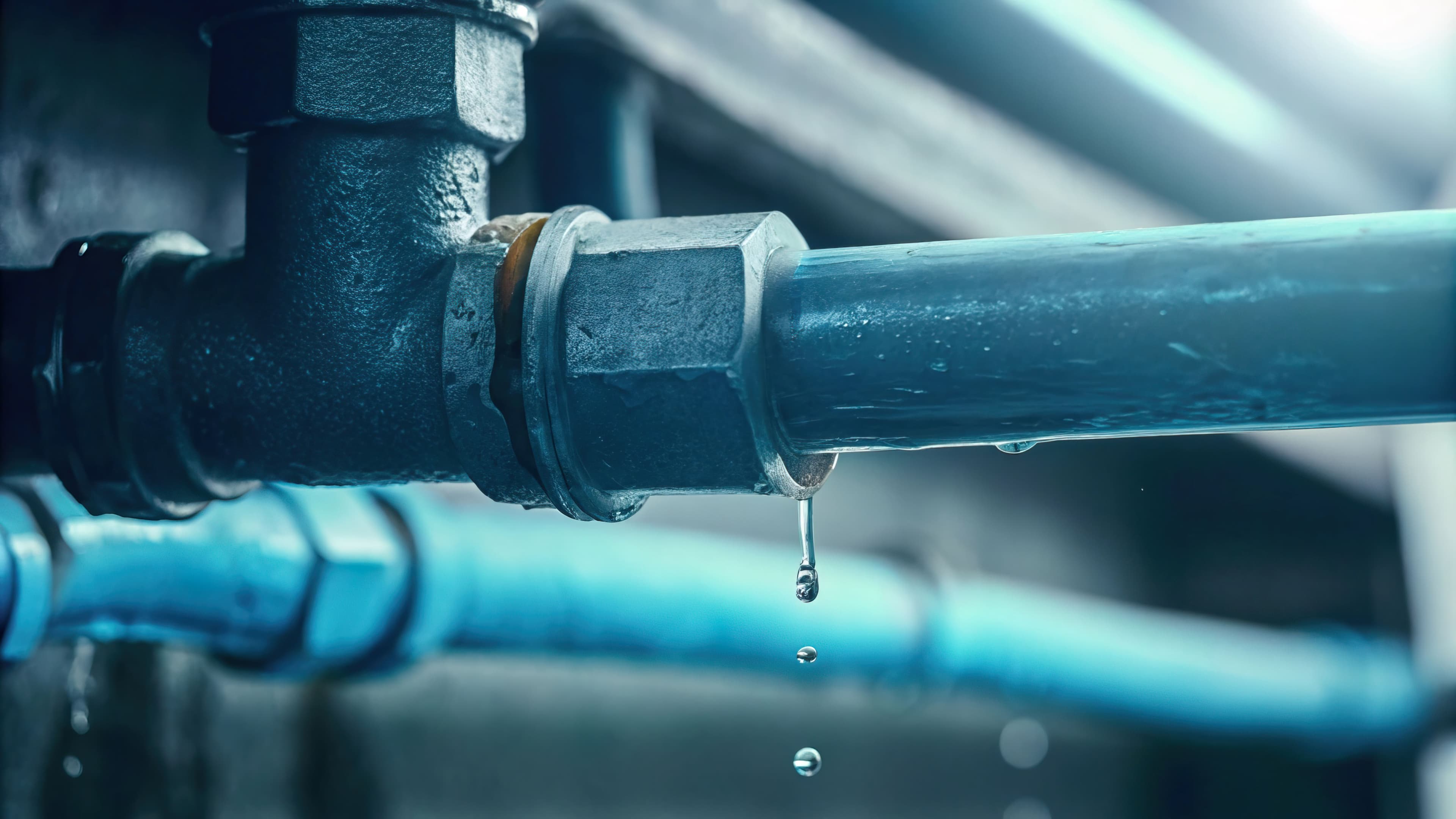
1. Hidden water leaks
Of all the hidden sources of waste found in condominiums, few are as common as concealed leaks. Unlike an obvious burst pipe, hidden leaks can remain active for months without arousing suspicion. Minor faults in toilet flush valves, stopcocks, irrigation systems, water tank float valves or underground pipes generally do not cause major immediate disruption, but they continually increase water consumption.
The problem becomes even more significant because many condominiums monitor only the final bill amount and do not carry out detailed analyses of consumption patterns. As a result, gradual increases end up being interpreted as simple tariff adjustments or normal variations in usage.
From a financial perspective, the impact can be significant. As well as additional water consumption, leaks can cause water ingress, structural damage, deterioration of surface finishes and higher corrective maintenance costs. What began as a small daily loss can develop into a major building project.
The best way to reduce this waste is to introduce regular water meter monitoring, preventive inspections and comparative analysis of consumption records. When indicators are monitored consistently, deviations tend to be identified long before they turn into expensive problems.
2. Lighting left on unnecessarily
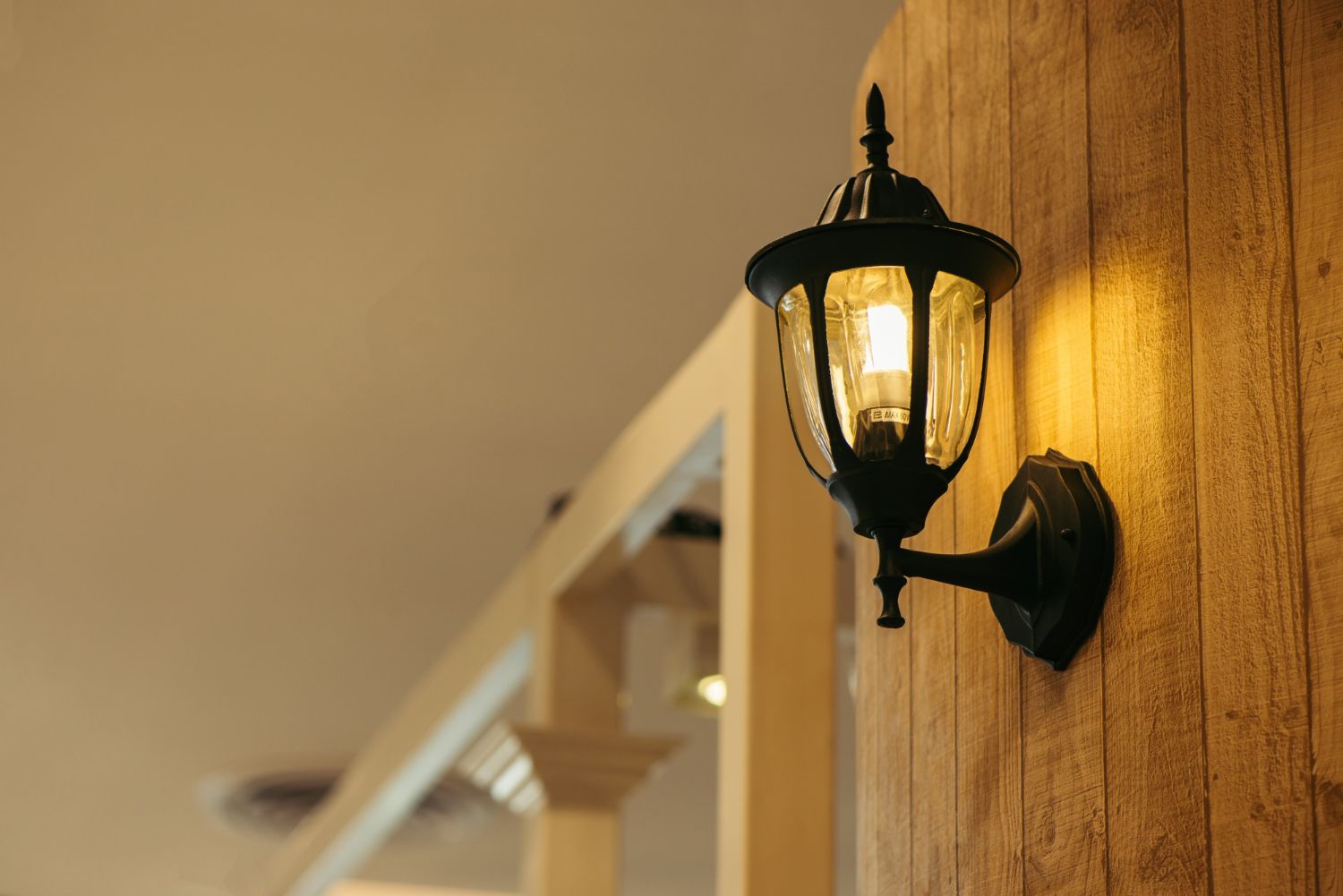
Lighting in communal areas is one of the most familiar condominium expenses. Precisely because it is so commonplace, it often stops receiving the attention it deserves. Garages, corridors, entrance halls, stairwells, plant areas and circulation spaces frequently remain lit even when they are not in use. In some developments, areas can be found operating at full lighting levels 24 hours a day, regardless of how many people are passing through.
The waste is not always noticed because consumption is spread across dozens or hundreds of light fittings. None of them seems to represent a problem on its own. Yet, taken together, they can have a considerable impact over the months.
Another important factor is the lack of regular reviews of the equipment in use. Many condominiums still operate with technologies that are less efficient than those currently available. This means consuming more energy to achieve exactly the same result.
Switching to LED lighting, installing occupancy sensors in low-traffic areas and reviewing automatic switch-on durations are among the simplest and most effective measures for reducing this type of waste. As well as delivering direct savings, these initiatives tend to reduce the need for maintenance and equipment replacement.
3. Equipment operating inefficiently
Much of a condominium’s infrastructure operates quietly and is almost invisible to residents. Water pumps, gate motors, ventilation systems, extractor fans, swimming pool equipment and various other components perform essential functions that keep the development running.
The problem is that many of these systems operate for years without thorough performance assessments. Over time, mechanical wear, a lack of preventive maintenance and incorrect settings mean that equipment requires more energy to carry out exactly the same work. As everything still appears to be functioning normally, residents rarely notice the loss of efficiency.
This type of waste is particularly dangerous because it tends to be cumulative. The longer a piece of equipment operates inadequately, the greater its energy consumption tends to be and the higher the likelihood of future failures.
The solution lies in preventive maintenance based on performance indicators. Comparing consumption records, monitoring equipment efficiency and carrying out regular inspections makes it possible to identify problems before they lead to higher costs. More important than repairing equipment when it breaks down is ensuring that it always operates at appropriate levels of efficiency.
4. Corrective maintenance instead of preventive maintenance

One of the least noticed sources of waste in condominium management relates to how maintenance resources are used. Many developments still operate reactively. In other words, maintenance only takes place once a problem has already arisen. Pumps are replaced when they stop working, water ingress is addressed when it has already caused visible damage, and electrical systems are inspected only after faults have occurred.
Although this approach may appear to save resources in the short term, it usually leads to much higher costs over the years. Corrective maintenance often requires emergency call-outs, the urgent appointment of contractors and the complete replacement of components that could have been kept in service for longer. It also frequently causes disruption for residents and can affect the management’s reputation.
By contrast, a preventive strategy makes it possible to anticipate problems and spread investment in a more organised way. The result is a more efficient, predictable and economical upkeep cycle.
In many condominiums, the amounts saved through prevention far exceed the investment made to keep systems in good working order.
5. Energy waste in communal areas
Of all condominium expenses, few suffer as much from being overlooked as electricity costs. When residents look at the condominium’s electricity bill, they usually see only the total amount. What they often fail to realise is that various factors can contribute to increasing this cost over time.
Inefficient lighting, poorly adjusted equipment, systems running unnecessarily and the absence of energy management strategies are among the most common causes. In addition, the condominium remains exposed to fluctuations in the electricity sector and the tariff flag surcharges applied to conventional electricity bills.
The result is an expense that grows without necessarily being linked to any improvement in the services provided to residents. Unlike other sources of waste, this type of loss does not tend to be noticed in isolation. It emerges gradually in the monthly budget and ends up being absorbed by the condominium as though it were inevitable.
Smart energy management therefore has the potential to deliver significant benefits both for financial predictability and for controlling operating costs.
How NewSun’s clean energy subscription helps reduce hidden waste

Among the various initiatives that can contribute to more efficient financial management, NewSun’s clean energy subscription offers a particularly appealing approach for condominiums seeking to reduce energy-related waste without increasing operational complexity.
The model allows the condominium to take part in a solution based on renewable sources without having to install solar panels, carry out building work or purchase its own equipment. Supply from the electricity distribution company continues as normal, preserving all existing infrastructure.
The solution also helps address one of the main challenges of condominium administration: the unpredictability of energy costs. As the subscription operates on a different basis from the conventional tariff, it helps reduce the impact of fluctuations associated with tariff flag surcharges, bringing greater predictability to the condominium’s financial planning.
Another important benefit is that there are no concerns about maintaining equipment owned by the condominium, making structural alterations or interrupting operations to implement systems. This allows condominium managers and property management companies to advance their sustainability agenda without creating new technical challenges for management.
In practice, it is a way to make the condominium more energy-efficient using a solution that is simple to implement and easy for residents to understand.
Small instances of waste have a major impact
One of the biggest pitfalls in condominium management is believing that only major expenses deserve attention. In reality, many of the financial problems affecting condominiums begin with small instances of waste that become permanent over the years. Hidden leaks, inadequate lighting, inefficient equipment, a lack of preventive maintenance and energy waste rarely cause immediate crises. Together, however, they can significantly undermine the development’s budget.
The good news is that these sources of waste also tend to be among the easiest to address when there is adequate monitoring and a commitment to continuous improvement. For condominium managers and property management companies, the lesson is clear: controlling costs does not simply mean negotiating contracts or reducing visible expenses. It means creating a culture of attention to detail, constant monitoring and an ongoing pursuit of efficiency. This is precisely how condominiums can turn wasted resources into investment, predictability and enhanced property values for the whole community.
You may also like
- Dicas para Síndicos e PMES
 09/11/2026
 5m
- Dicas para Síndicos e PMES06/11/20265m
- Dicas para Síndicos e PMES05/11/20265m



Stop paying more for your energy bill
Find out in less than 1 minute how much you could save with clean energy every month — no works and no bureaucracy.
Join the energy revolution
Subscribe to our newsletter and receive exclusive content